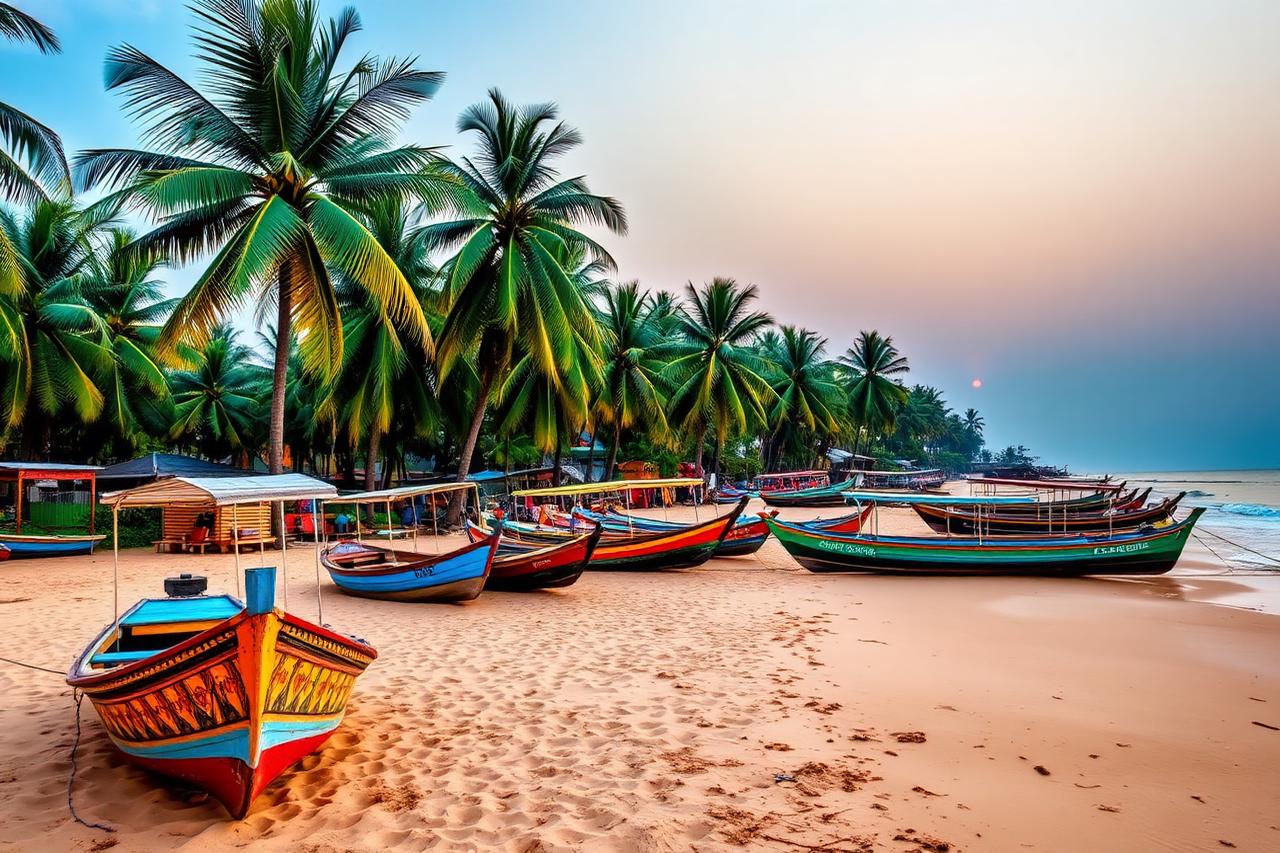
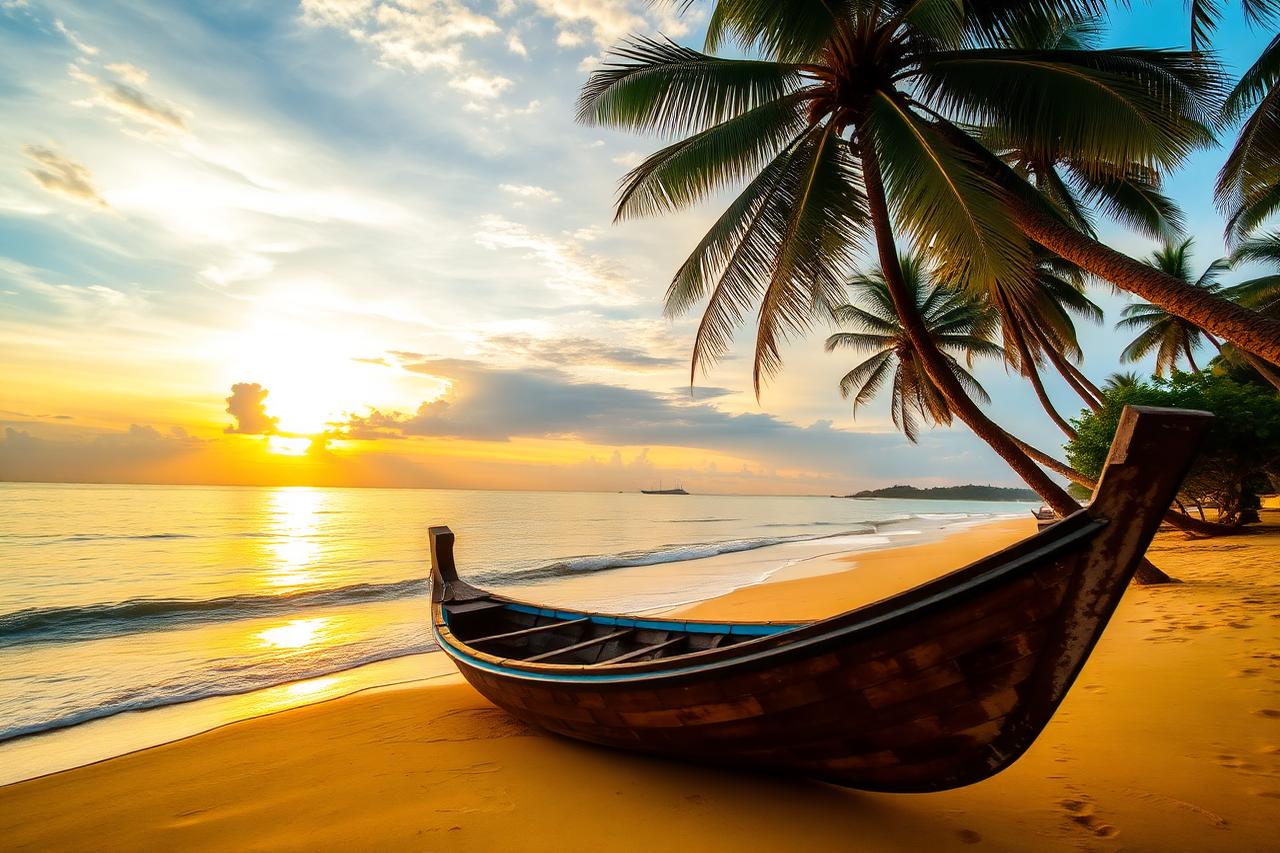
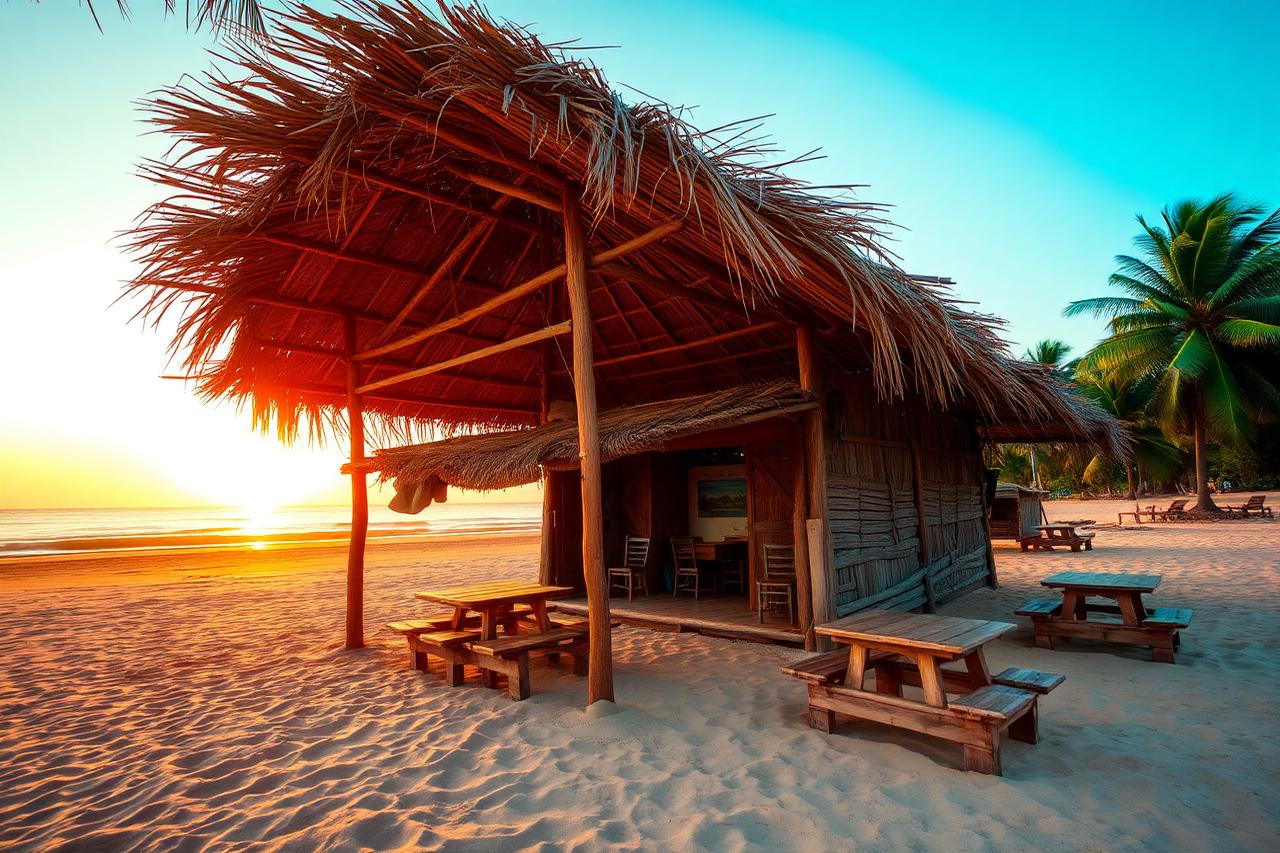
Goa is small enough to cross in two hours and varied enough to feel like several destinations. The north, from Candolim up to Arambol, is where most of the activity sits — beach shacks, markets, water sports and a late-night scene. The south, from Colva down to Palolem and Agonda, is quieter, greener and better for travellers who want long empty stretches of sand.
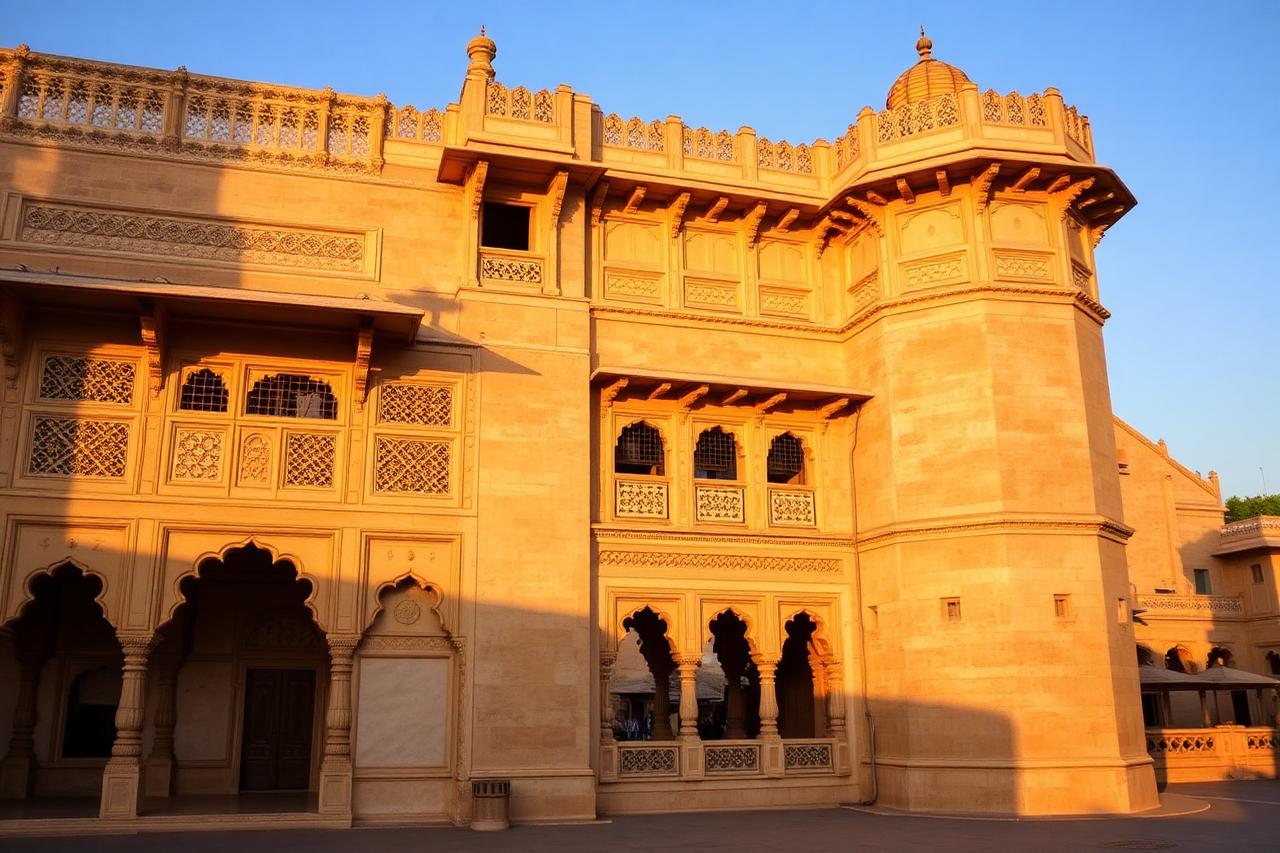
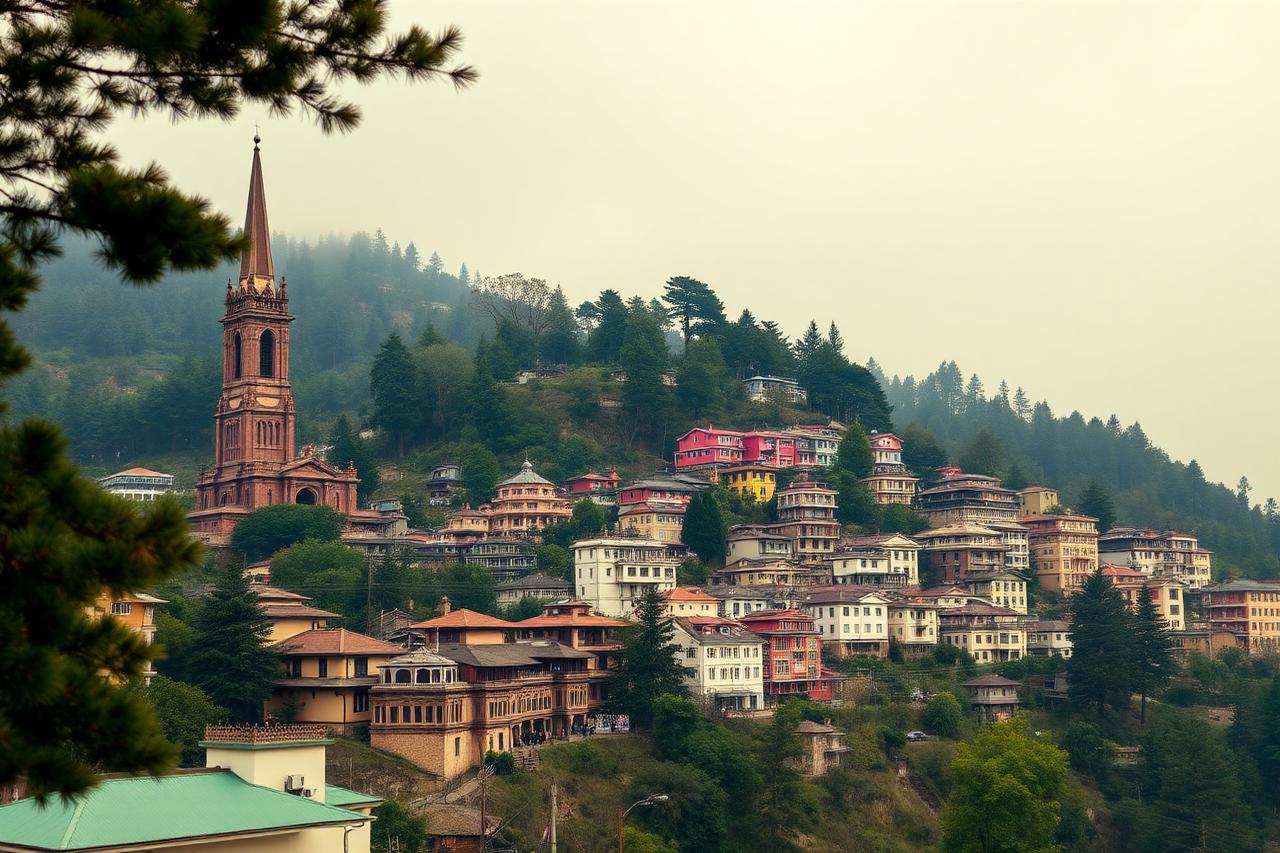
Inland Goa gets overlooked and shouldn't be. Old Goa's basilicas and cathedrals are among the most significant colonial-era church buildings in Asia; Panjim's Fontainhas quarter is a grid of narrow lanes and painted Portuguese-era houses; and the Western Ghats side of the state has waterfalls, spice farms and a wildlife sanctuary.
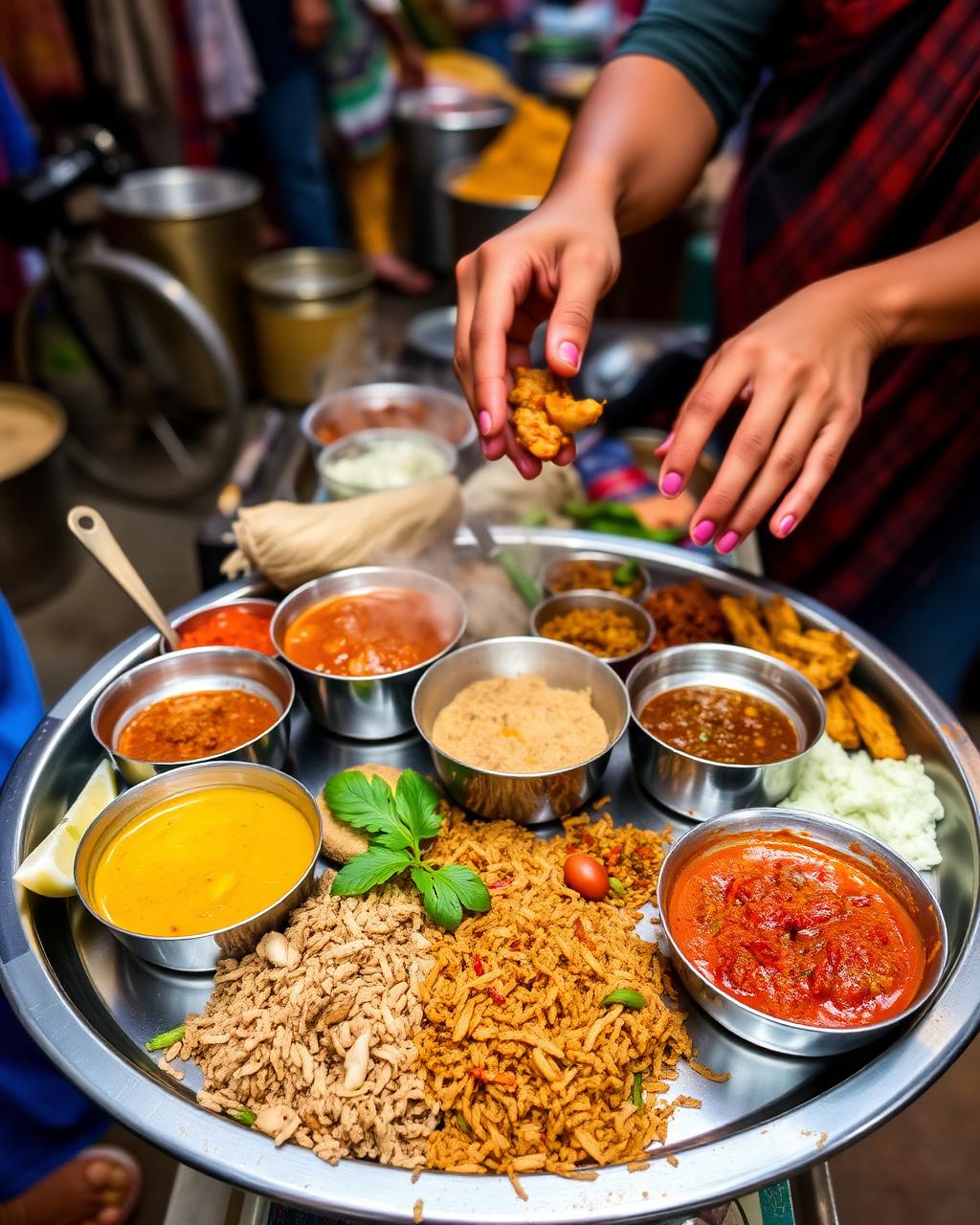
Food is a major reason to come. Goan cooking sits at the meeting point of Konkani, Portuguese and Saraswat traditions — coconut and kokum-based fish curries, xacuti, vindalho, sorpotel, poi bread and bebinca. Seafood is best where the boats land, and the small family-run places usually beat the beachfront tourist menus.
Goa handles very different kinds of travellers well, but not in the same places. Families and couples usually do better in the south or in quieter north pockets like Ashwem and Mandrem; groups of friends gravitate to Baga, Calangute and Anjuna. Peak-season rates around Christmas and New Year can be several times the off-season price.