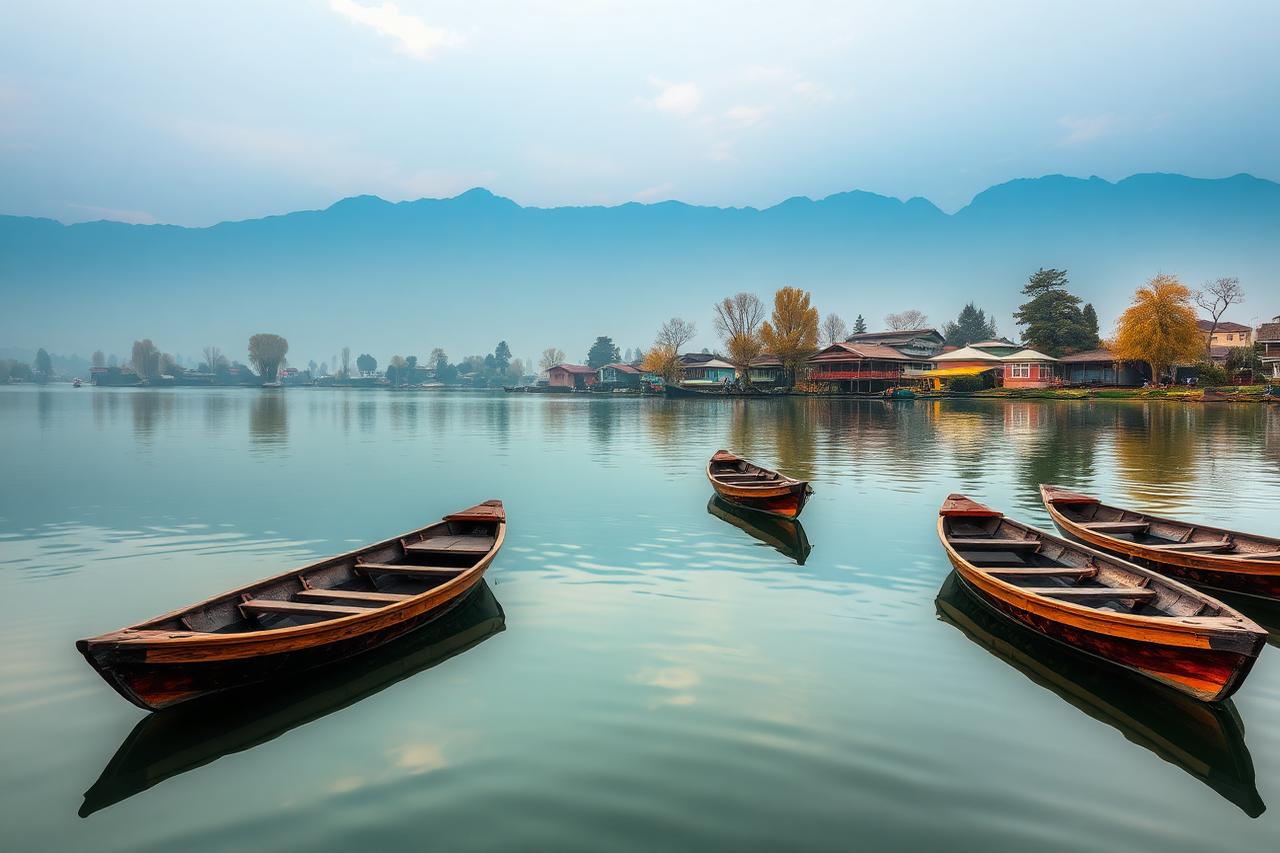
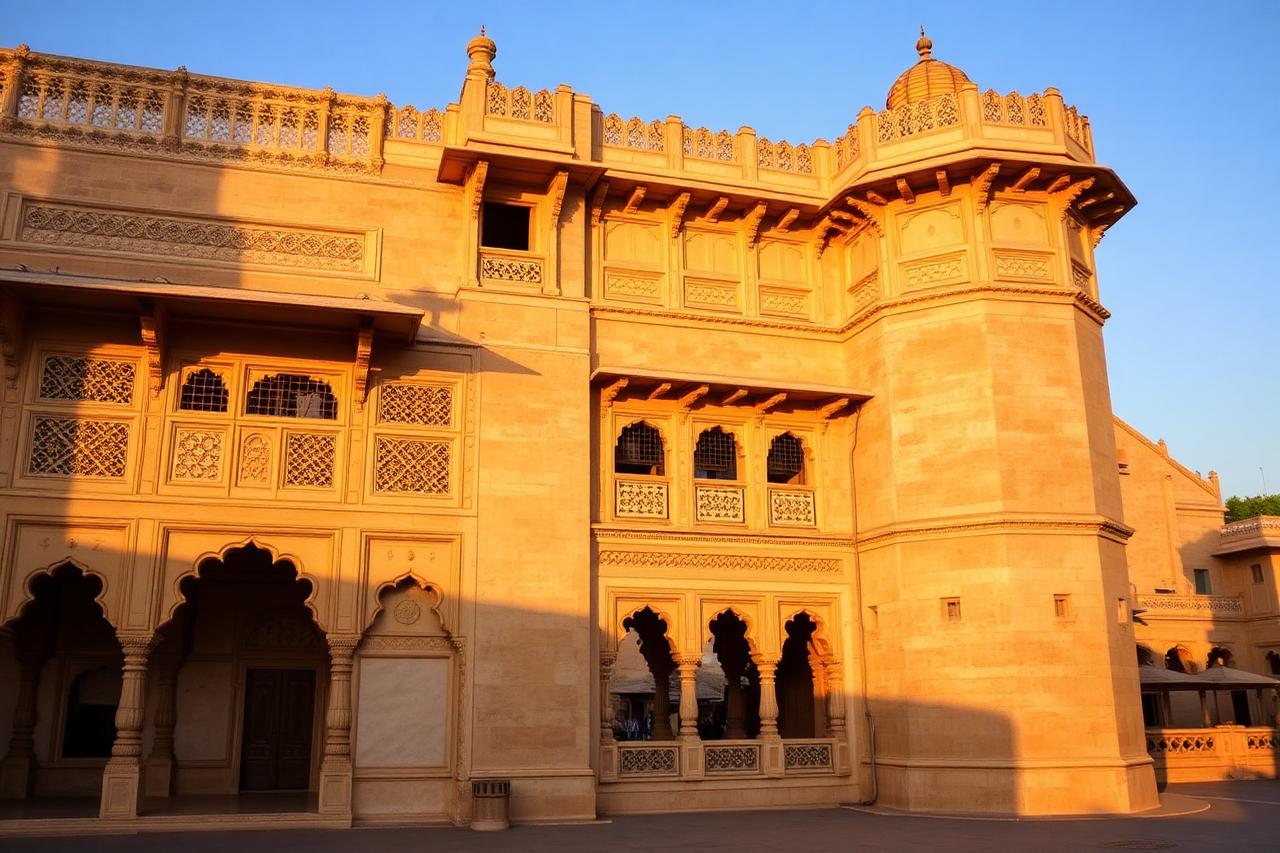
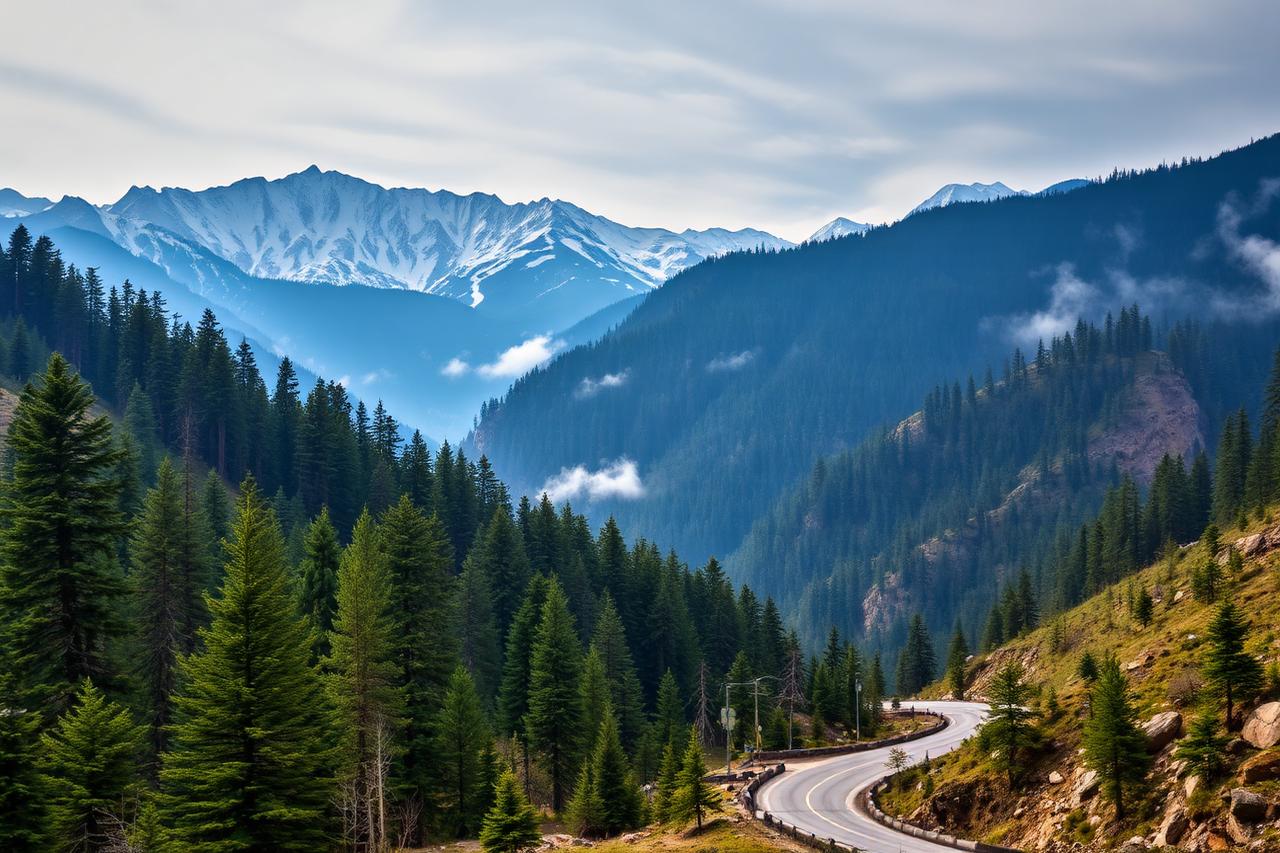
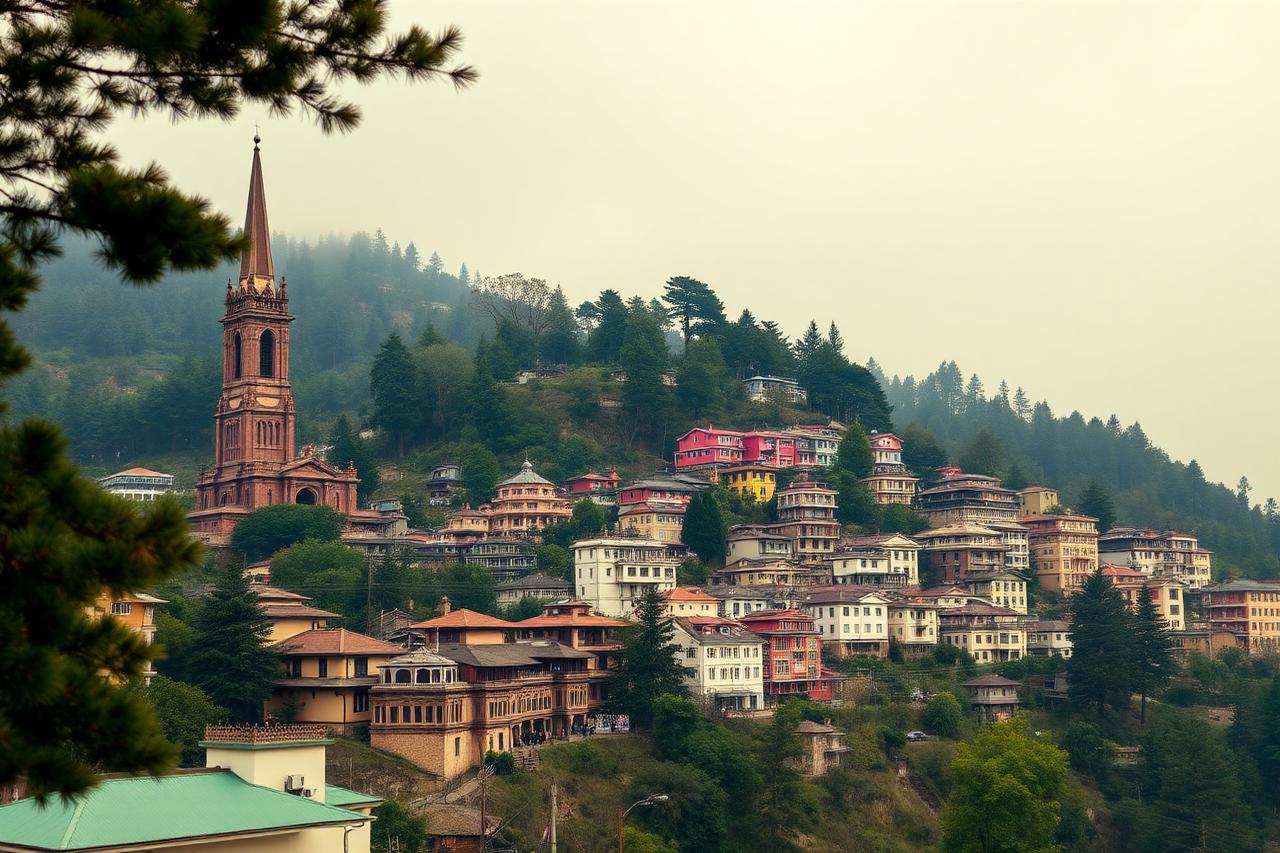
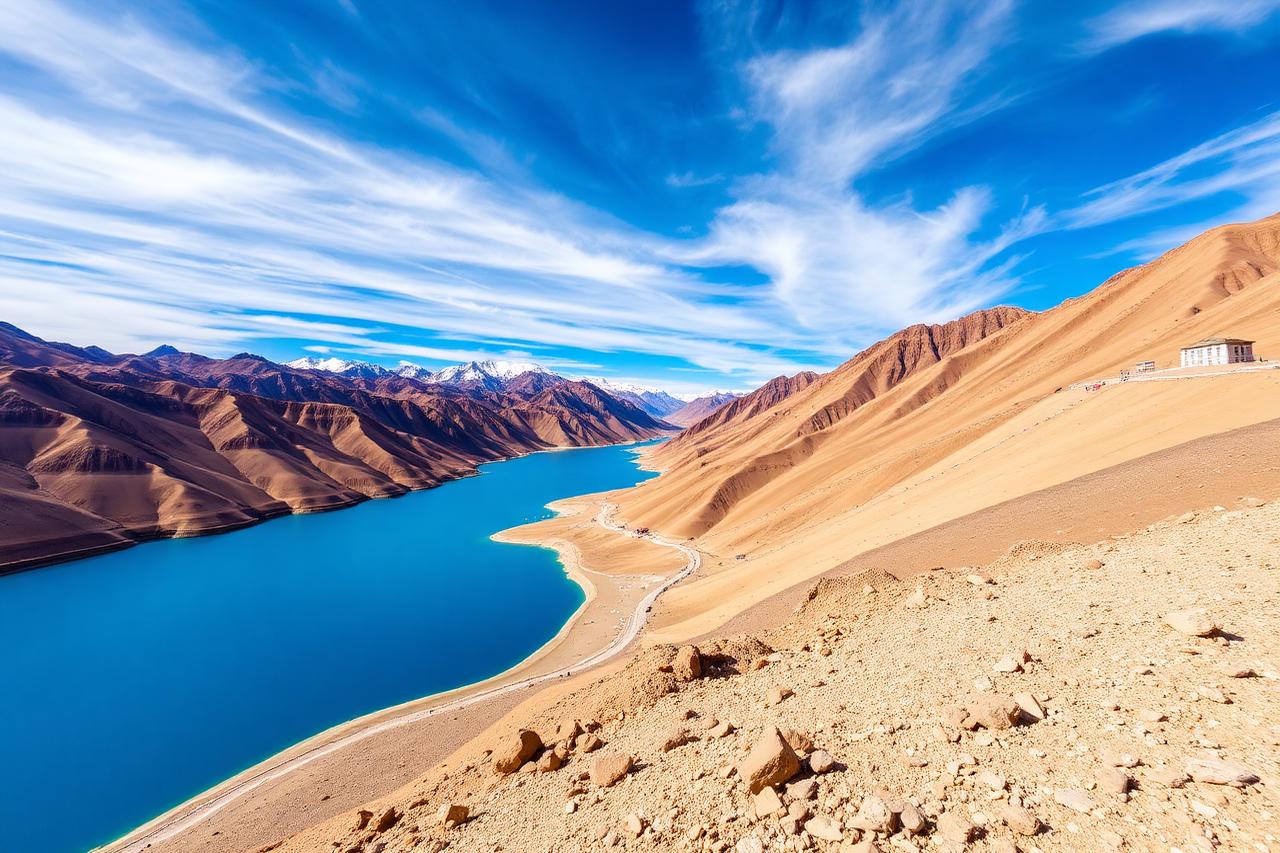
Kashmir is a broad Himalayan valley rather than a single town, ringed by the Pir Panjal to the south and the greater Himalaya to the north. Srinagar sits at its centre on the Jhelum, with Dal and Nigeen lakes, Mughal-era gardens and a dense old city of wooden houses, shrines and bakeries. Most trips use Srinagar as a base and take day or overnight trips out to the side valleys.
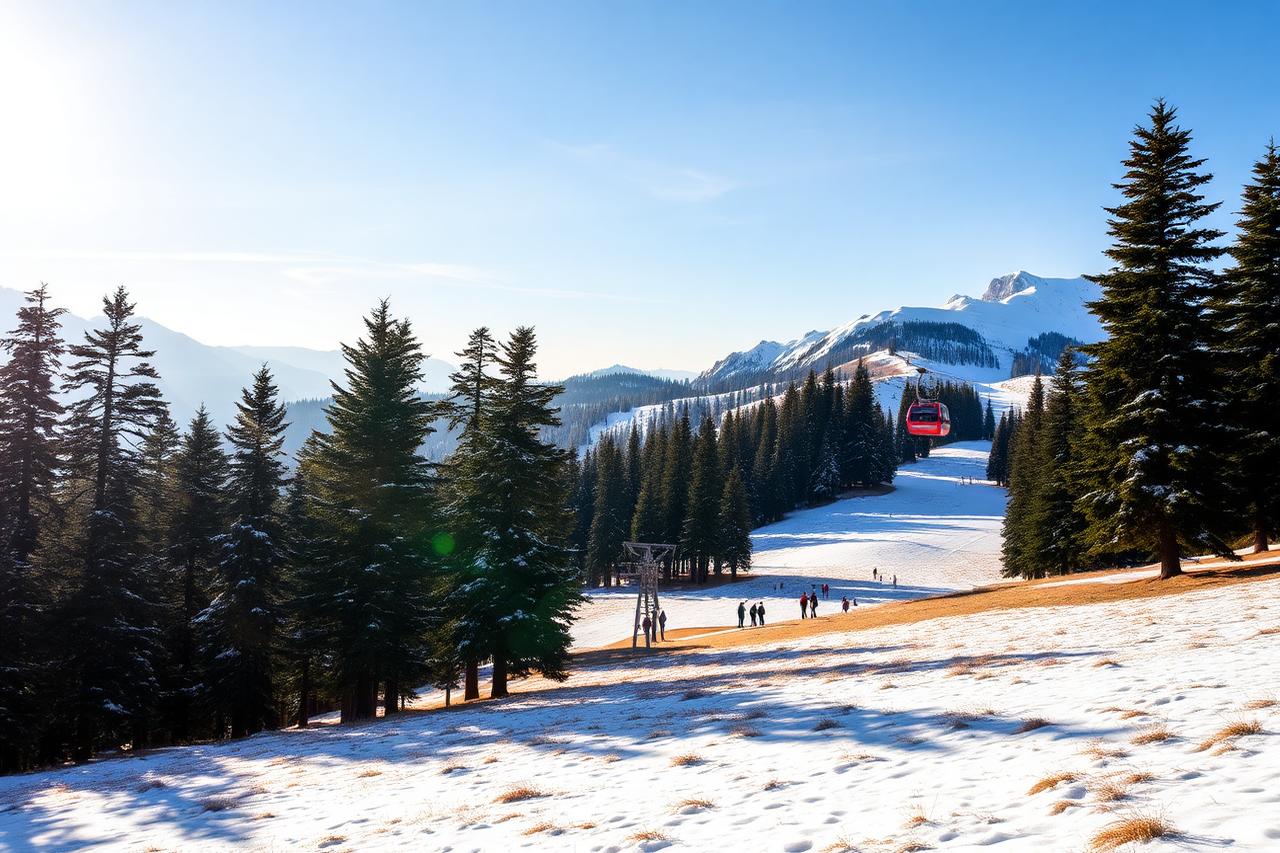
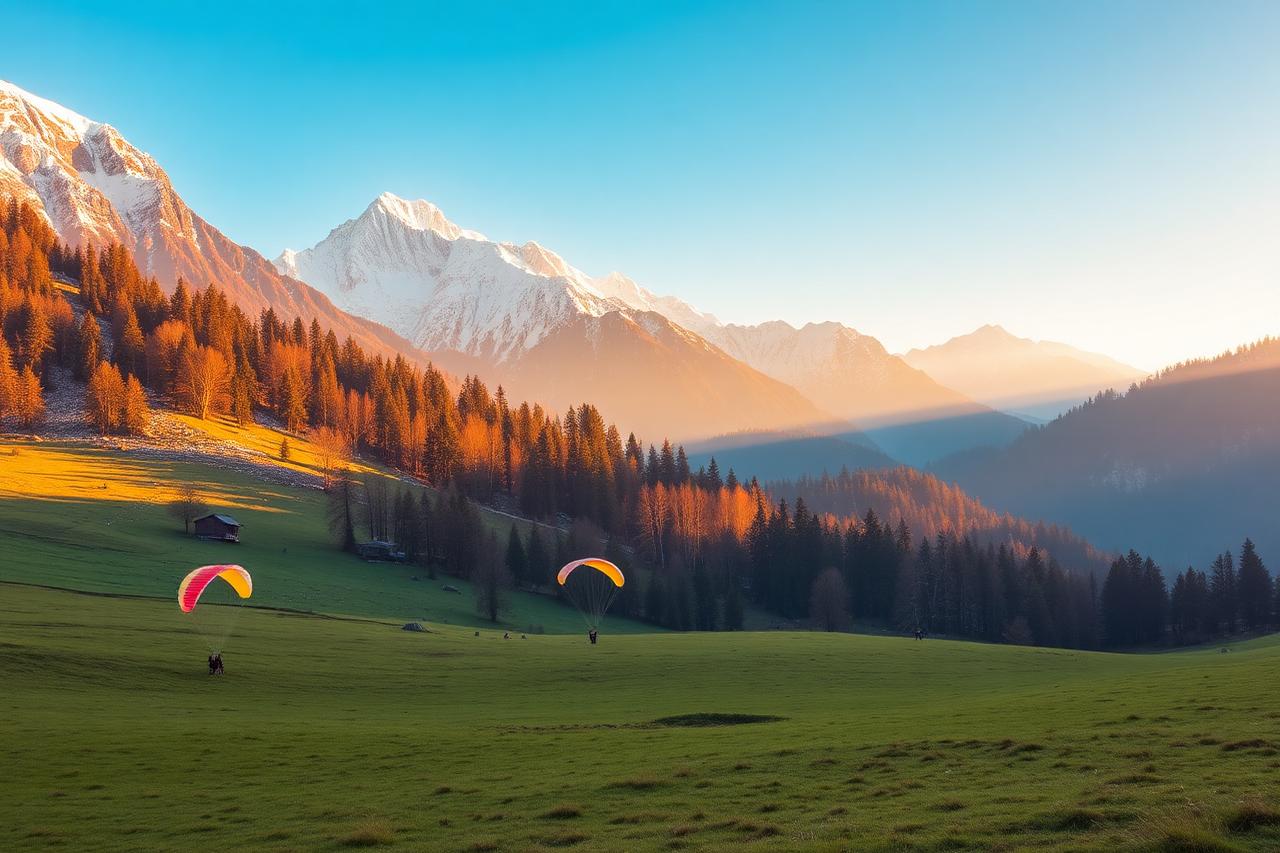
Each of the main valleys has a different character. Gulmarg is an open meadow bowl at around 2,650 m with a gondola climbing towards Apharwat, best known for winter skiing and summer walks. Pahalgam sits along the Lidder river with pine forest, riding trails and quieter side valleys like Aru and Betaab. Sonamarg, on the road towards Ladakh, is higher and starker, with glacier walks and meadows that only open up in summer.
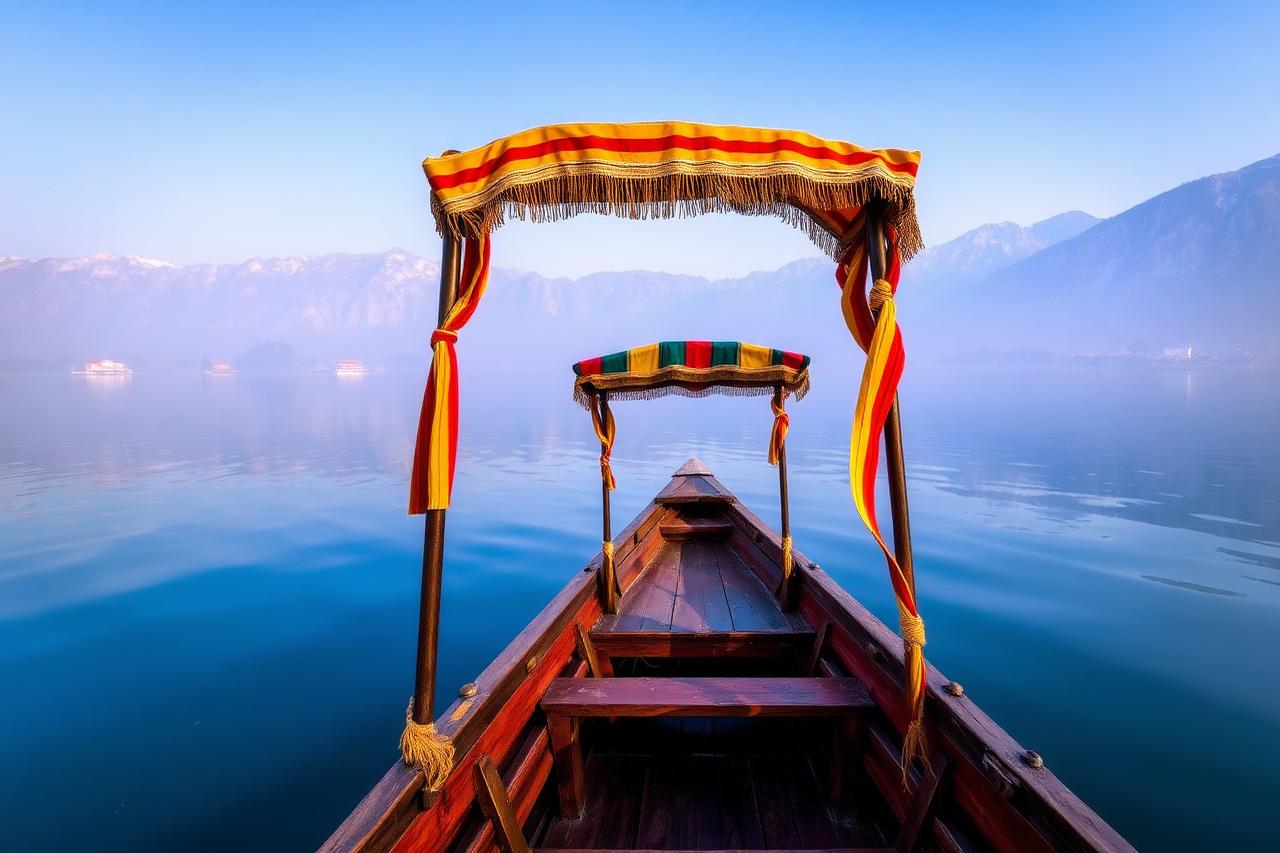
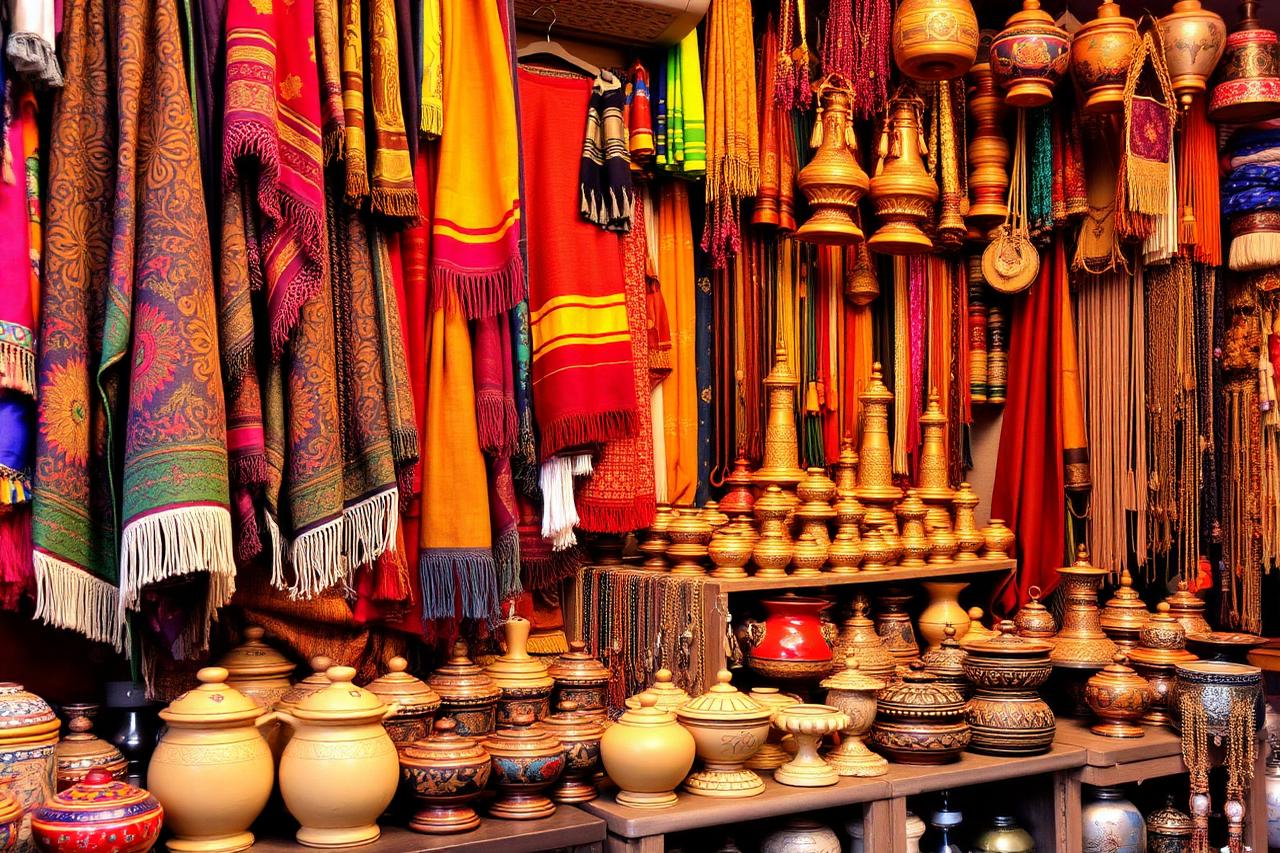
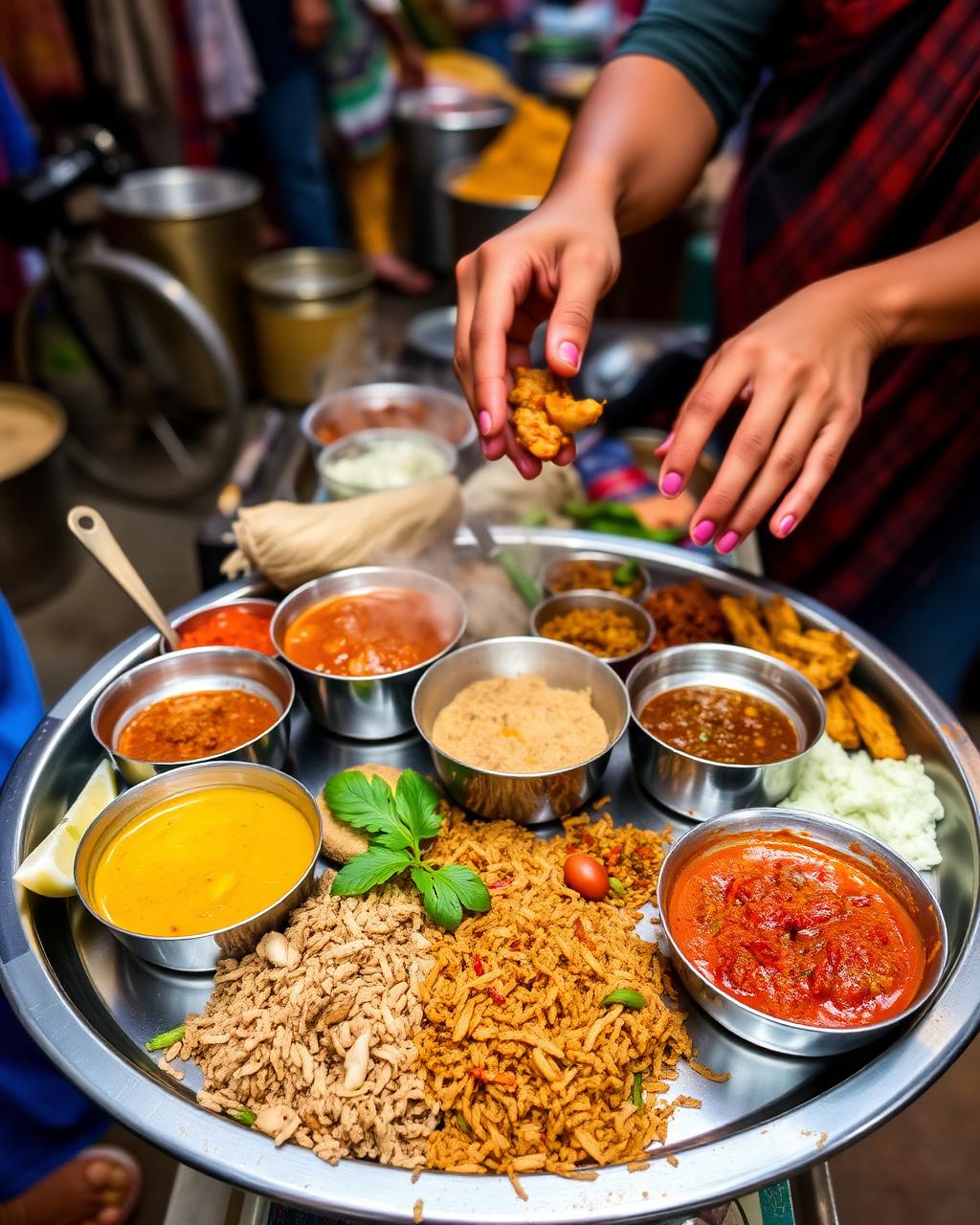
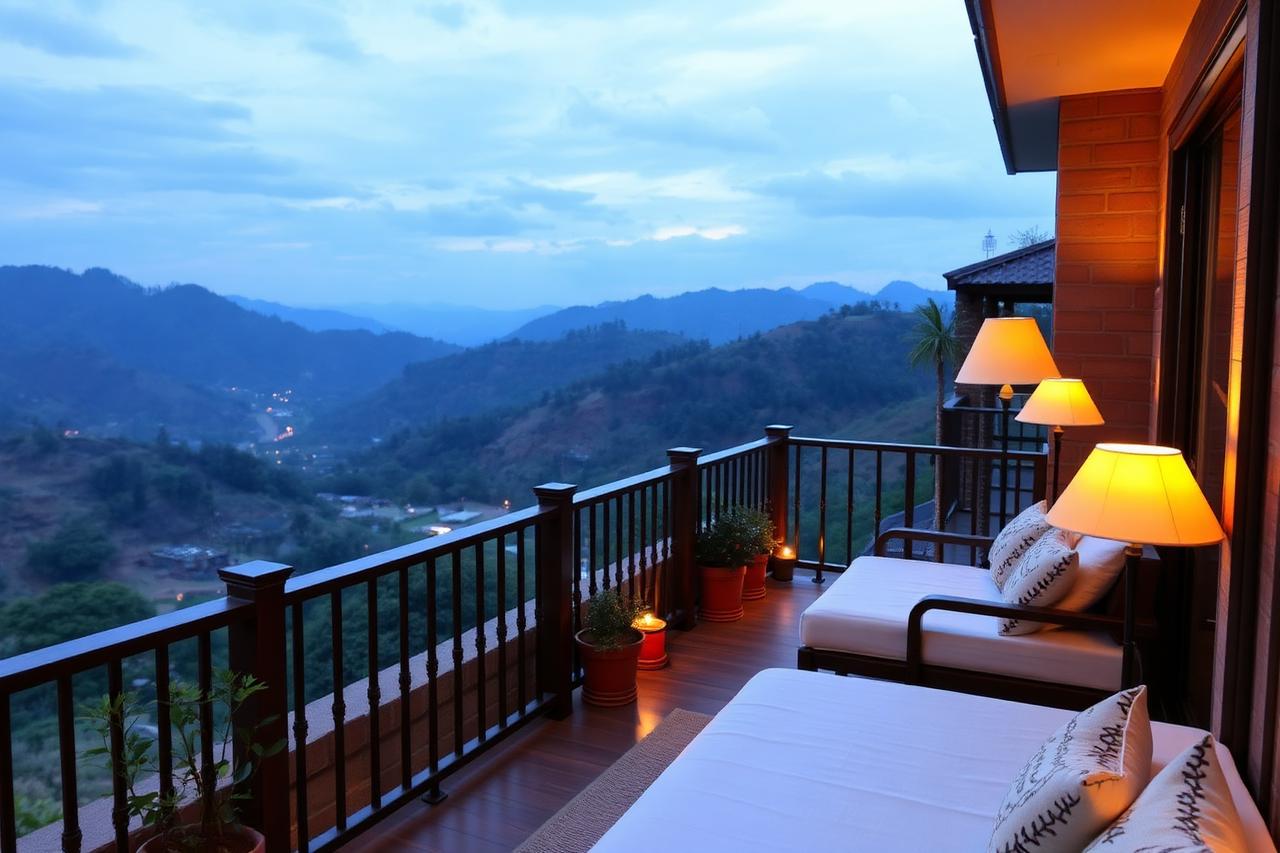
The everyday texture matters as much as the sightseeing here: shikara rides at dawn, the floating vegetable market, bakeries selling girda and tsot in the old city, Kashmiri wazwan cooking, carpet and pashmina workshops, and orchards heavy with apples in autumn. Houseboats on Dal and Nigeen remain a defining Kashmir experience, though standards vary widely.
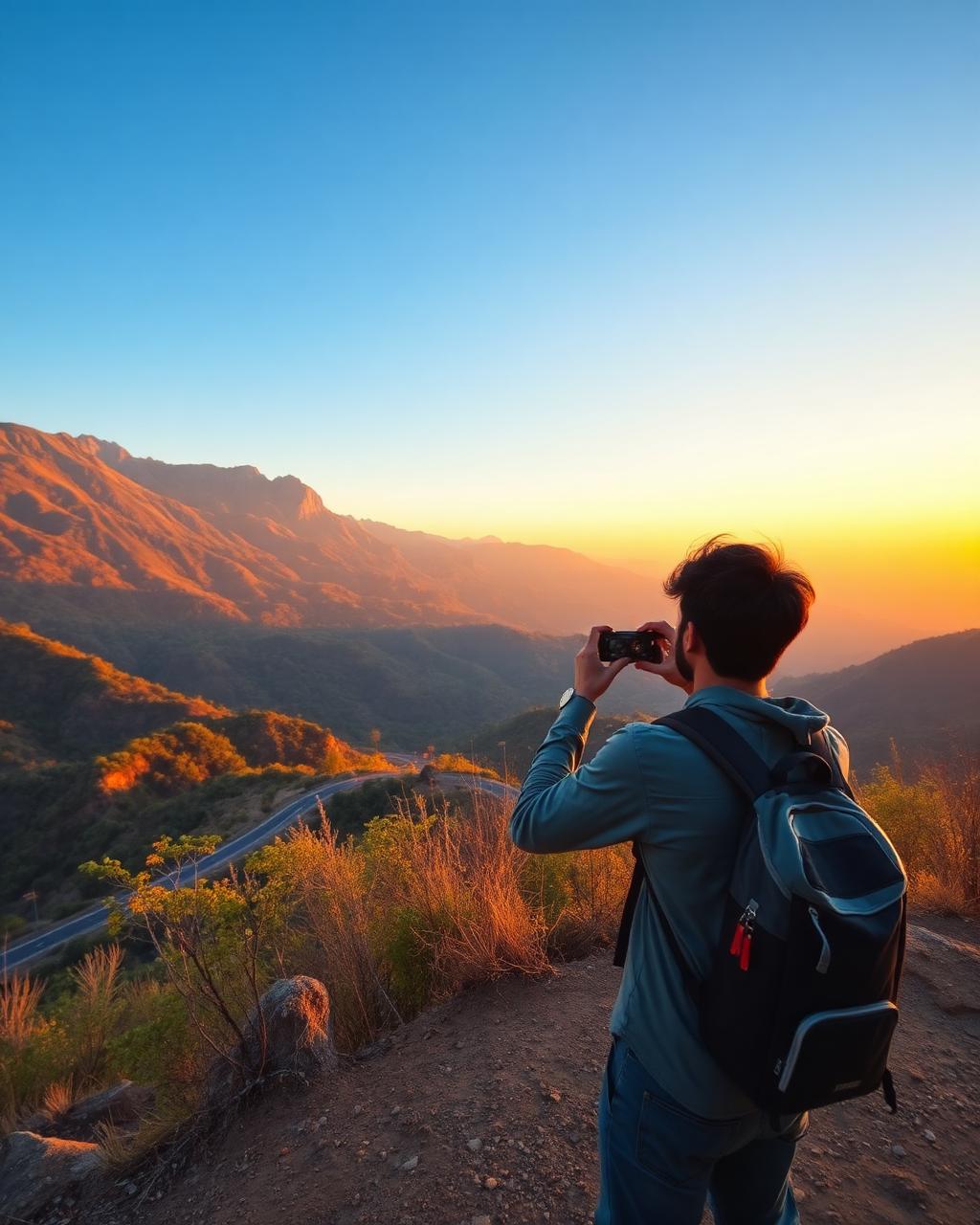
Kashmir suits couples, families and photographers, and anyone happy to travel at a slower pace with room for weather. It is less suited to travellers on a tight fixed schedule — local conditions, road closures and weather can shift plans, so it is sensible to keep buffer time and check current advisories and official guidance before travelling.