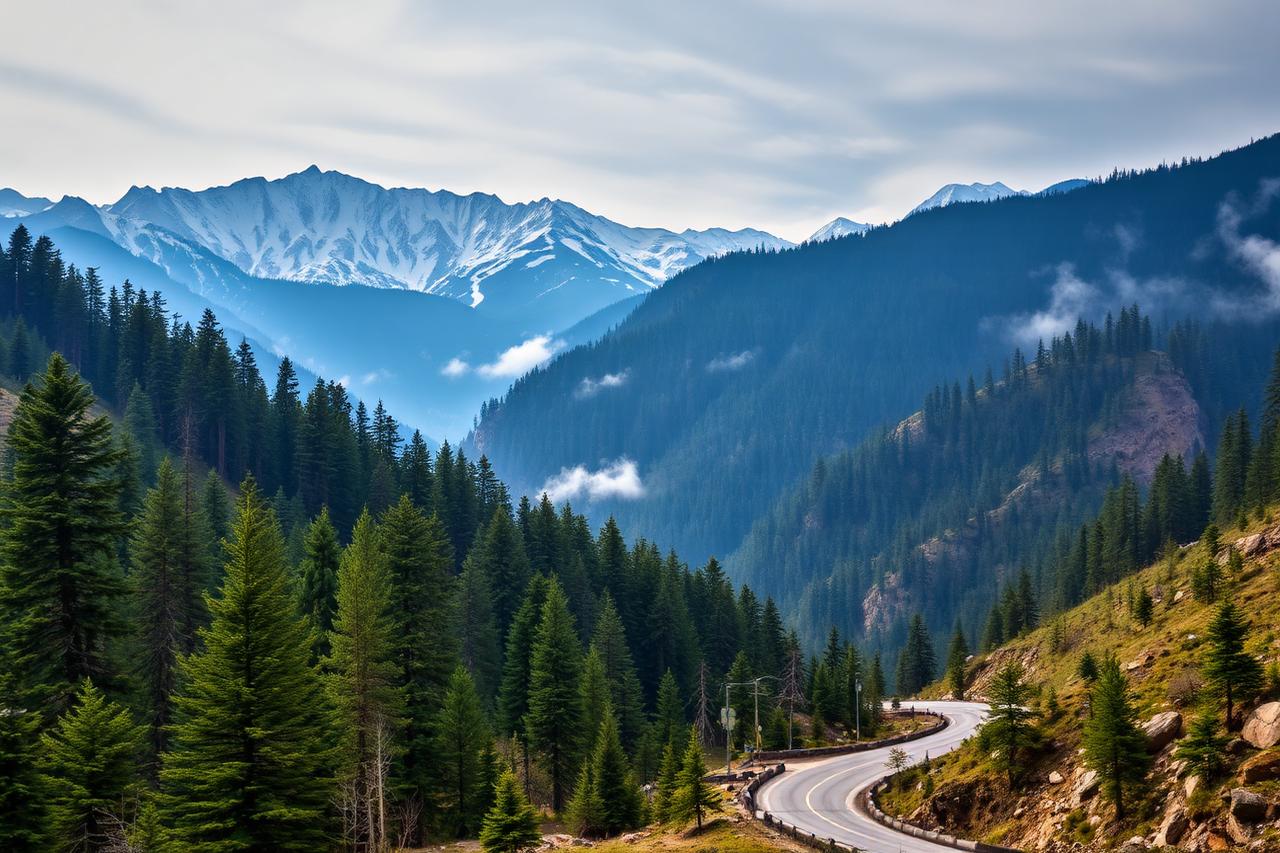
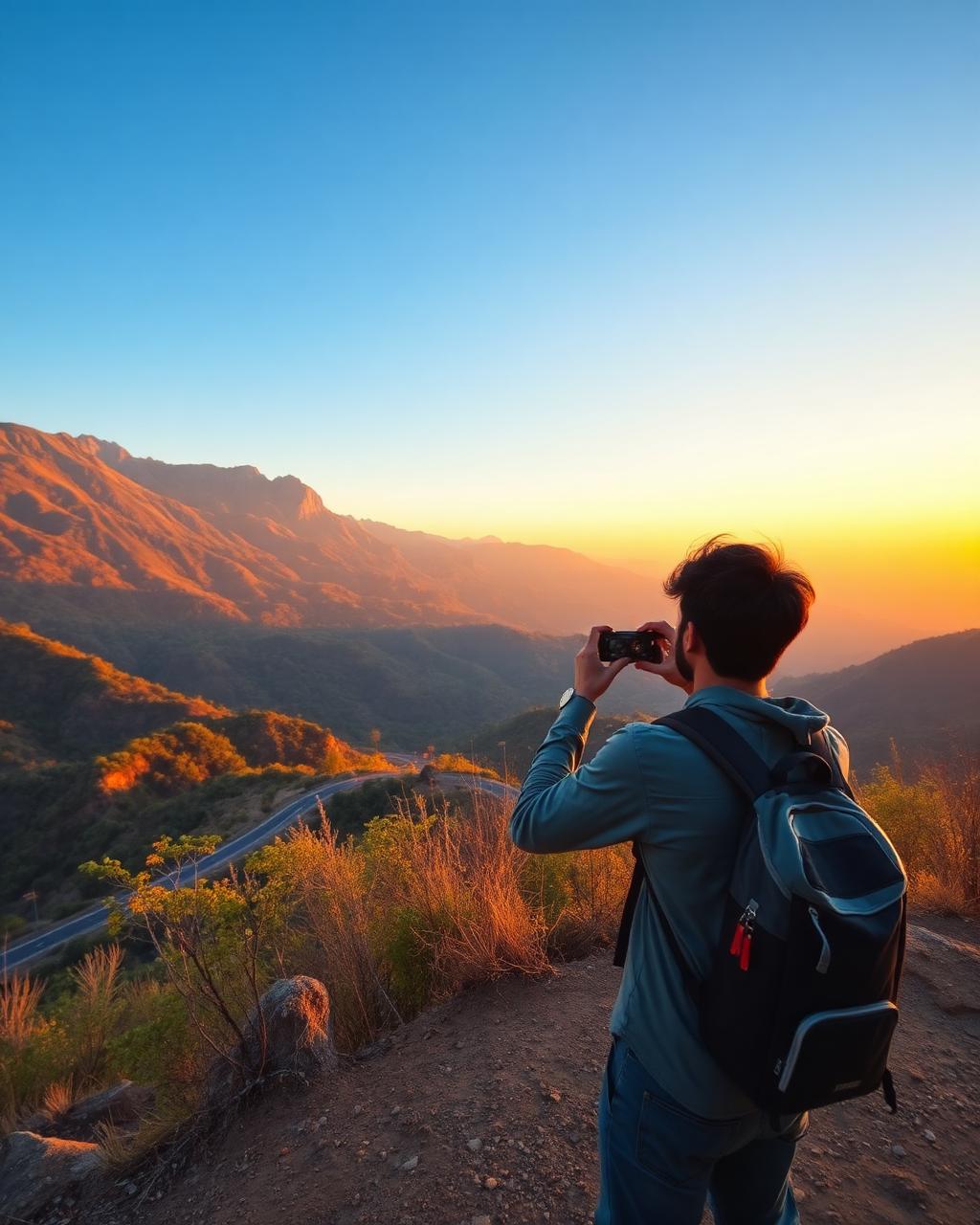
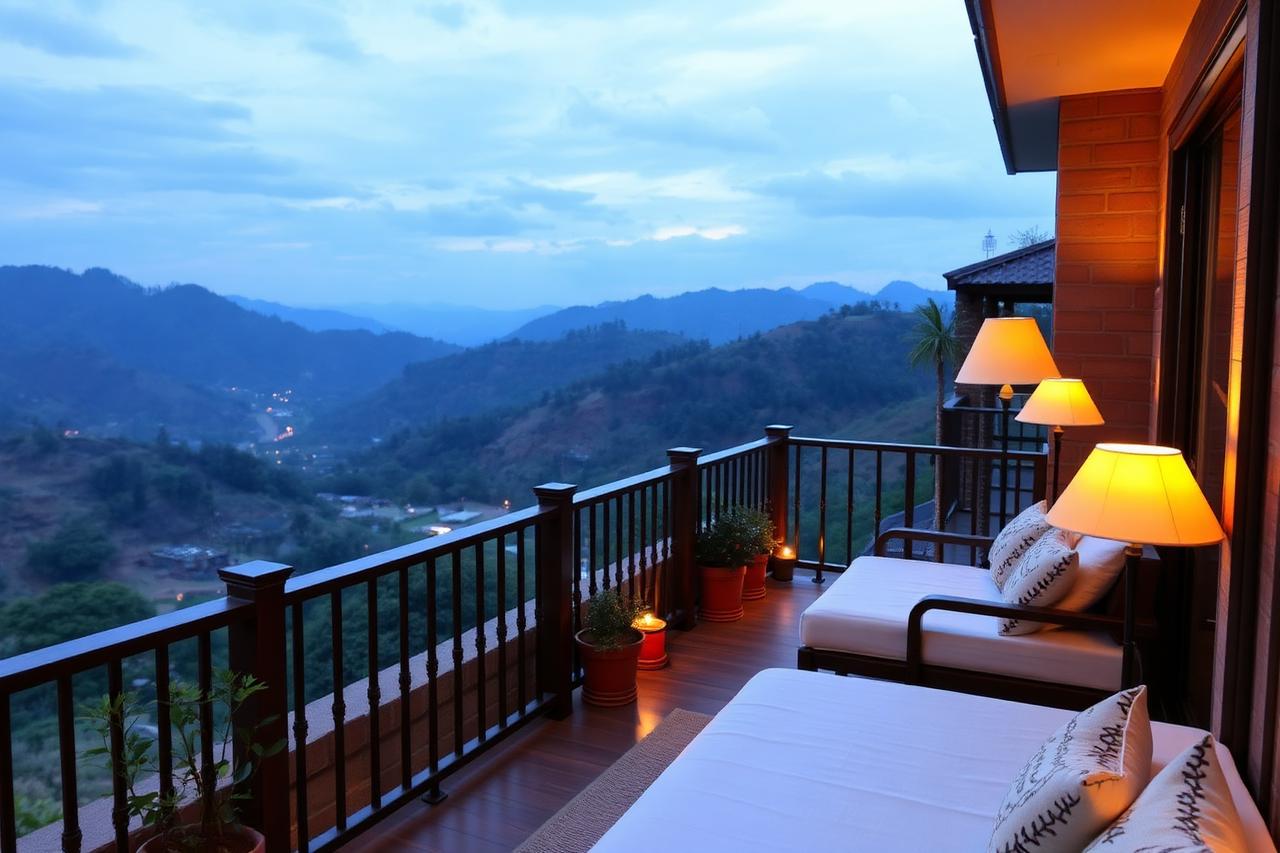
Manali sits at the head of the Kullu valley, where the Beas river runs fast and cold between deodar-covered slopes and the Pir Panjal range closes off the horizon. It has been a Himalayan holiday town for decades, which means the practical side of travel is easy — regular buses from Delhi and Chandigarh, plenty of stays across every budget, and taxi unions with fixed sightseeing rates.
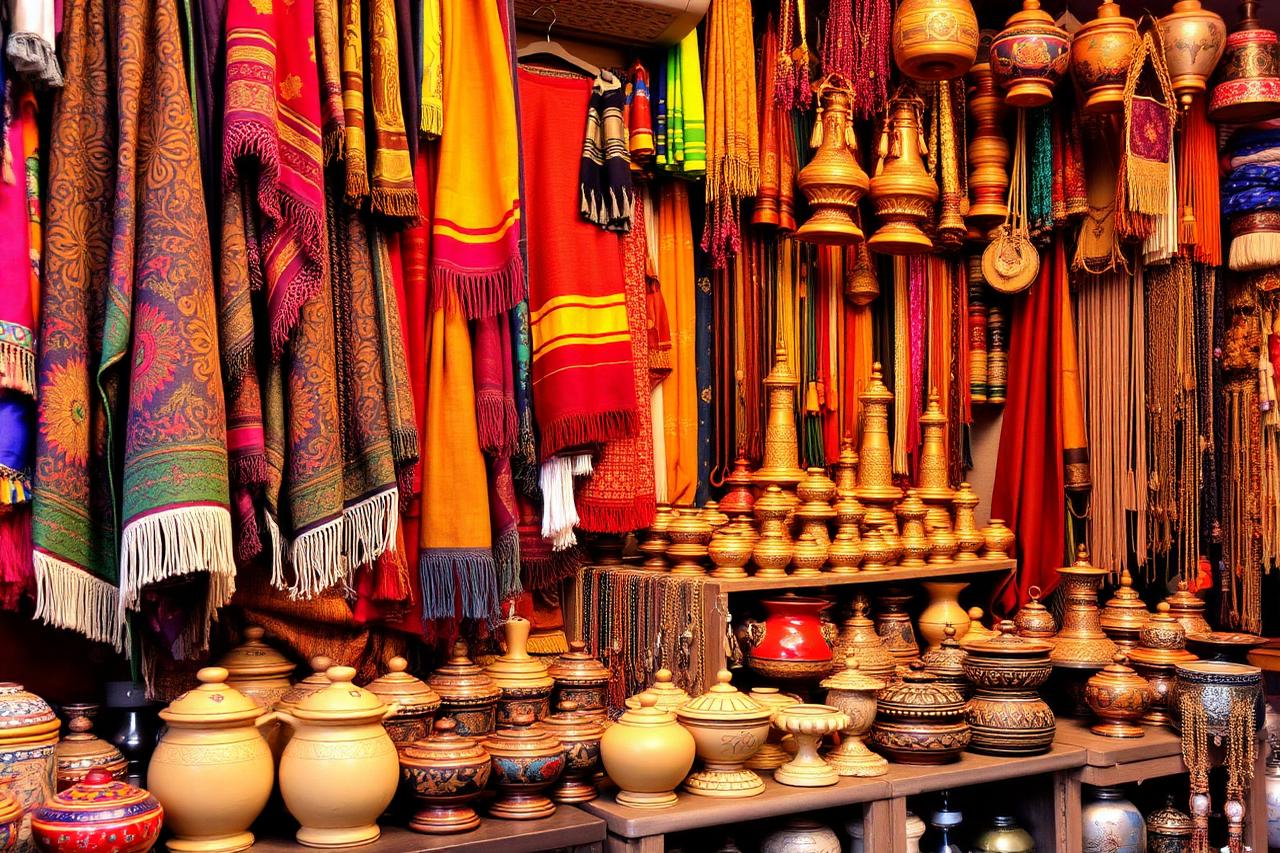
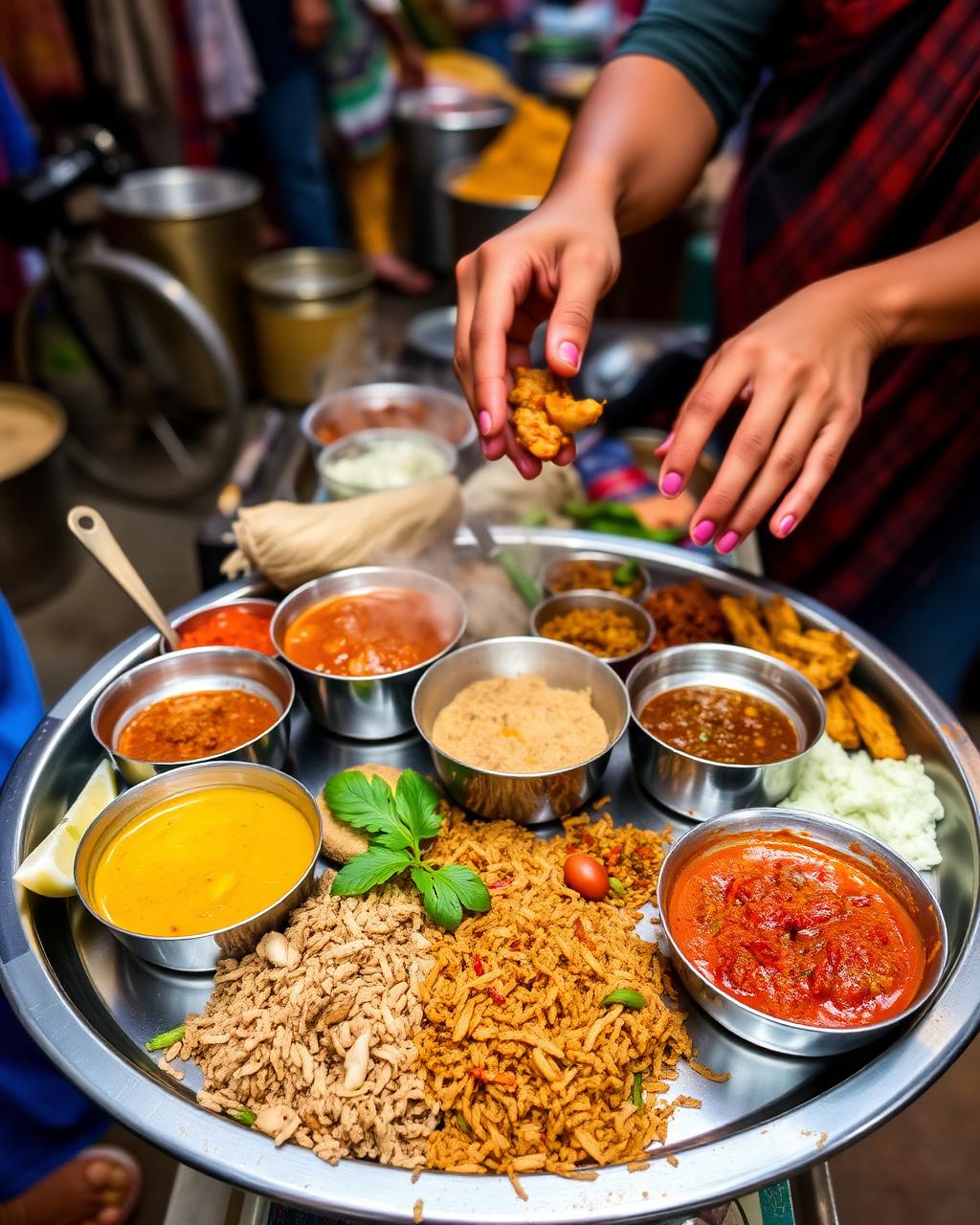
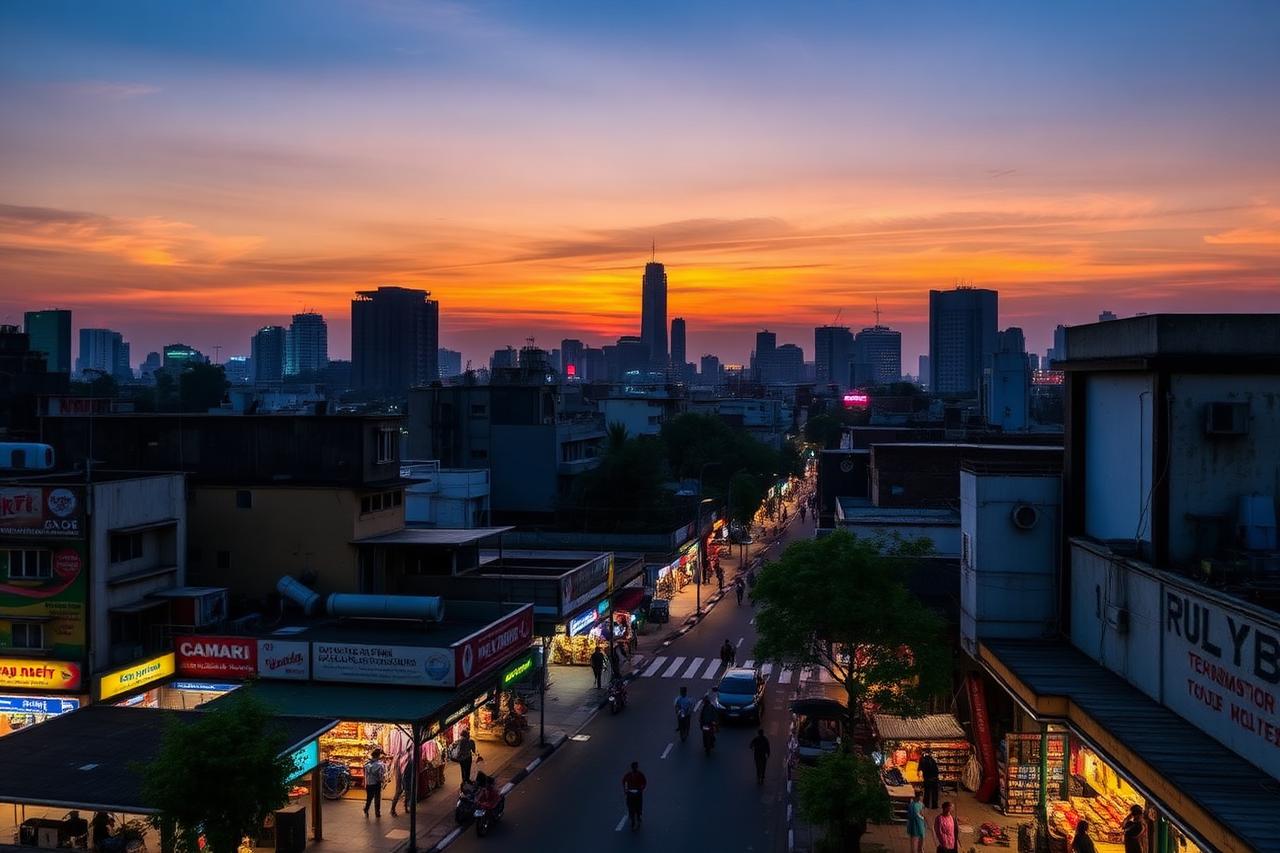
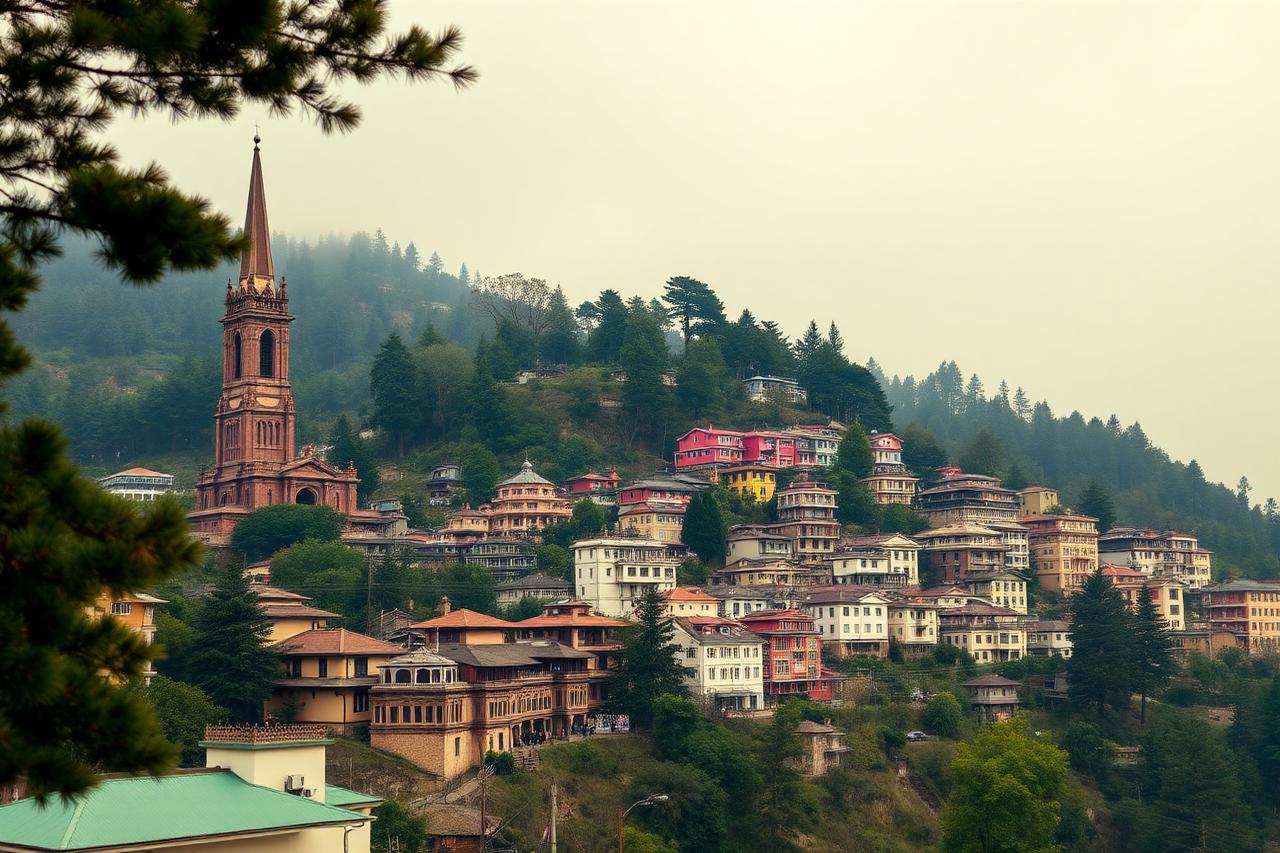
The town works on two levels. Down in the main bazaar around Mall Road you get the busy holiday-town side: woollen shops, dhabas, apple-cider stalls and families out for an evening walk. Twenty minutes uphill, Old Manali and Vashisht are slower and greener, full of small cafes, guesthouses and orchards, and they draw travellers who want to stay a week rather than two nights.
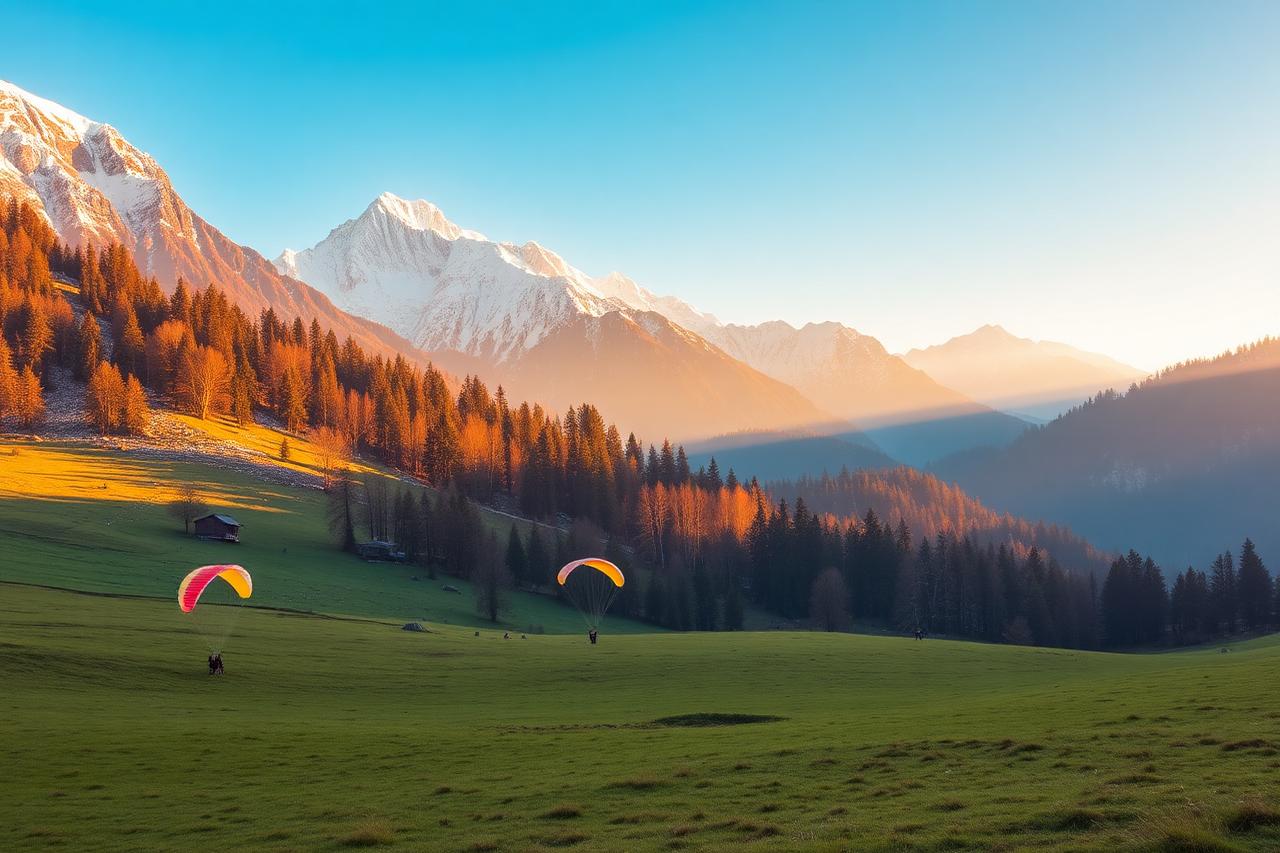
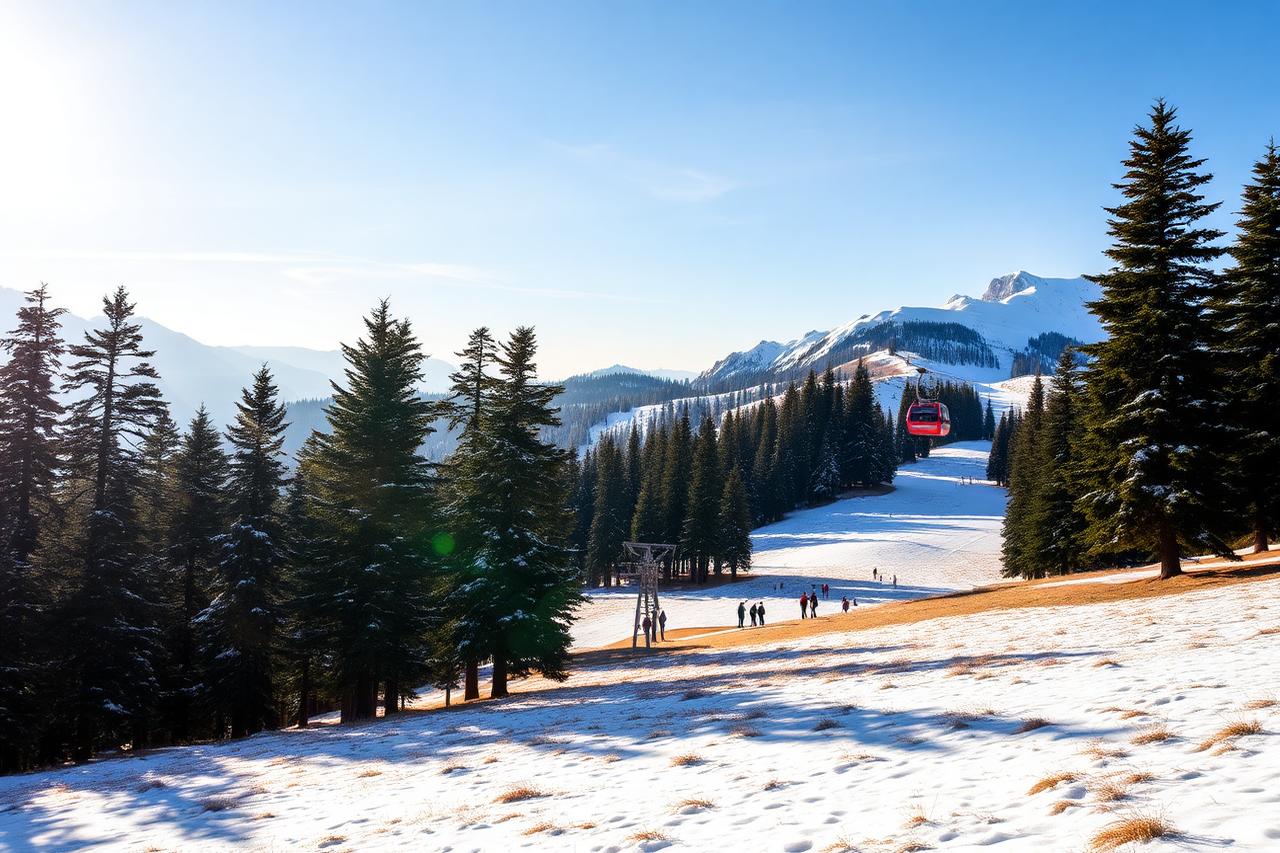
Most of what people come for lies outside the town. Solang Valley is the adventure hub, the Atal Tunnel has turned the once-seasonal Lahaul valley into an easy half-day drive, and Naggar holds the older, quieter Kullu-valley culture of slate-roofed temples and wooden castles. Snow is the single biggest draw between December and March, though the reliable snow is above the town, not in it.
Manali suits first-time mountain travellers, families with children, couples and adventure-minded groups. It is less suited to travellers looking for solitude in peak months — May, June and the New Year week are genuinely crowded, and traffic on the Solang and Rohtang roads can add hours to a short drive.