Photographs resized and JPEG-encoded; displayed crops may vary. Original licenses apply.
Manali town below snow-covered mountains
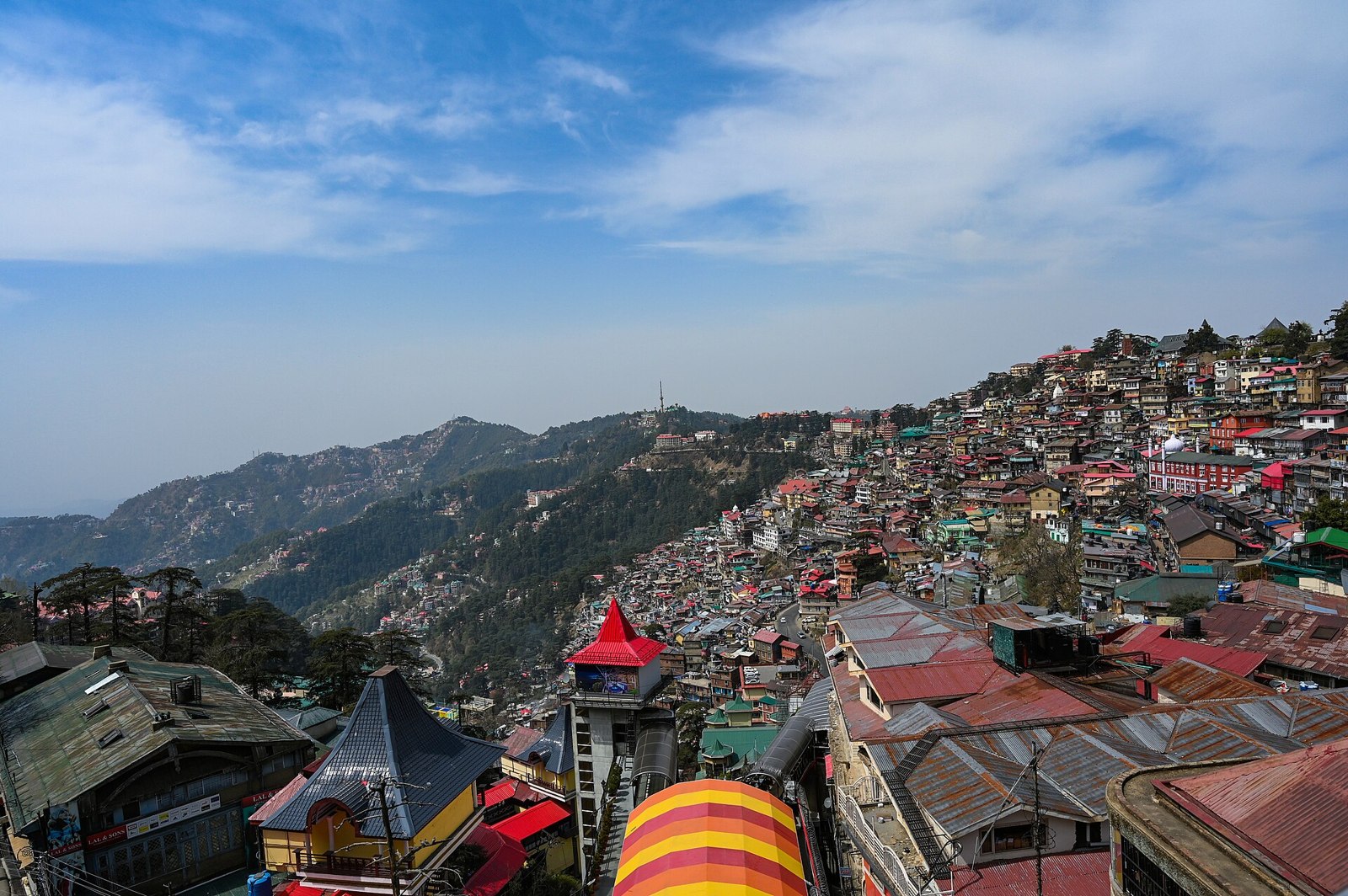
Neerajsinghazm · CC BY-SA 4.0Shimla hillside town in Himachal Pradesh
Navneet Sharma · CC BY-SA 4.0Thiksey Monastery in Ladakh
Aksveer · CC BY-SA 4.0Hawa Mahal in Jaipur
Chainwit. · CC BY-SA 4.0Jaisalmer Fort at sunset
Const.crist · CC BY-SA 3.0Lake Palace on Lake Pichola in Udaipur
Shiva Shenoy from USA · CC BY 2.0Taj Mahal in Agra
Dhirad, picture edited by J. A. Knudsen · CC BY-SA 3.0India Gate in New Delhi
Nikhilb239 · CC BY-SA 4.0Bengal tiger in Ranthambore National Park
Dibyendu Ash · CC BY-SA 3.0Sunset at Bogmalo Beach in Goa
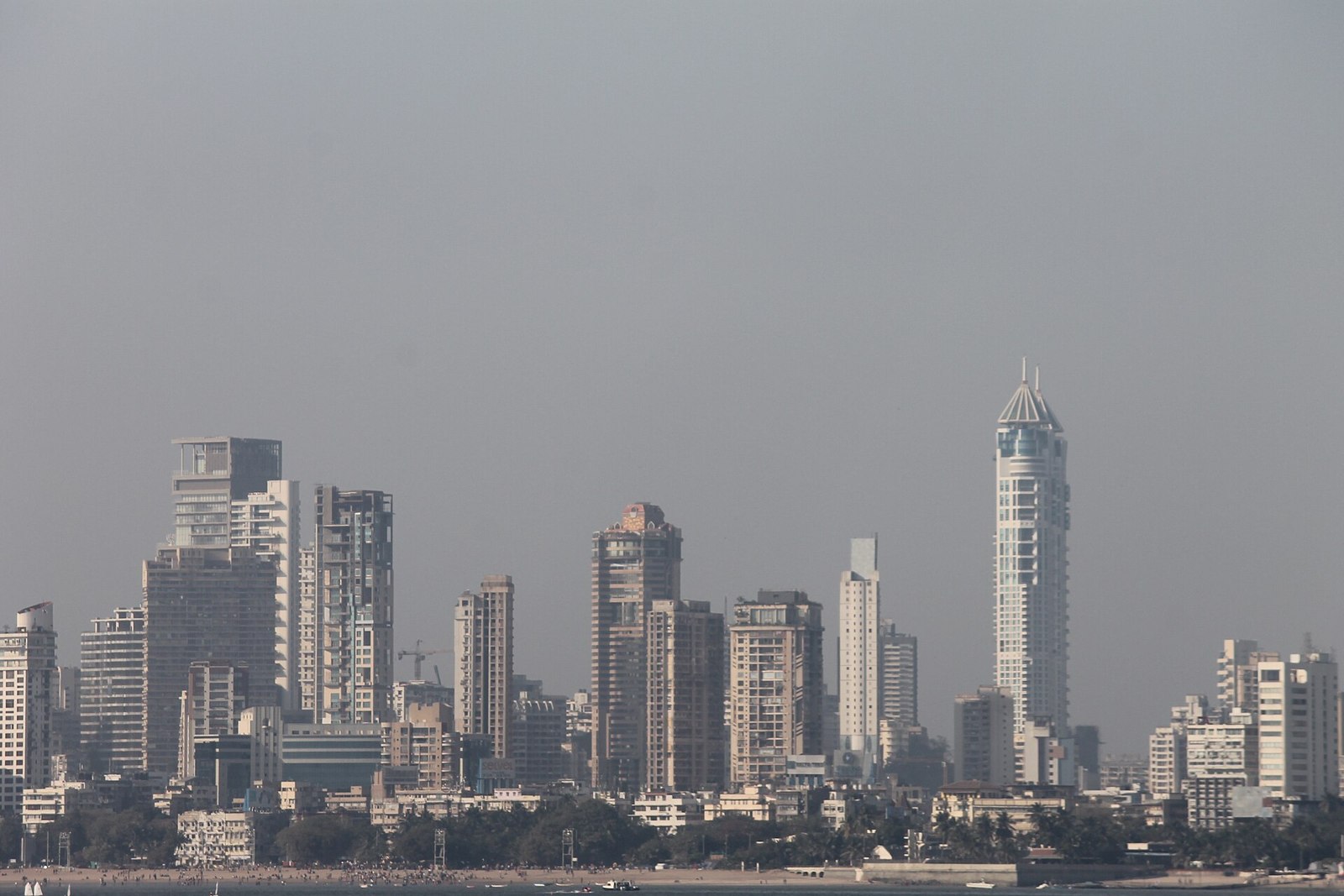
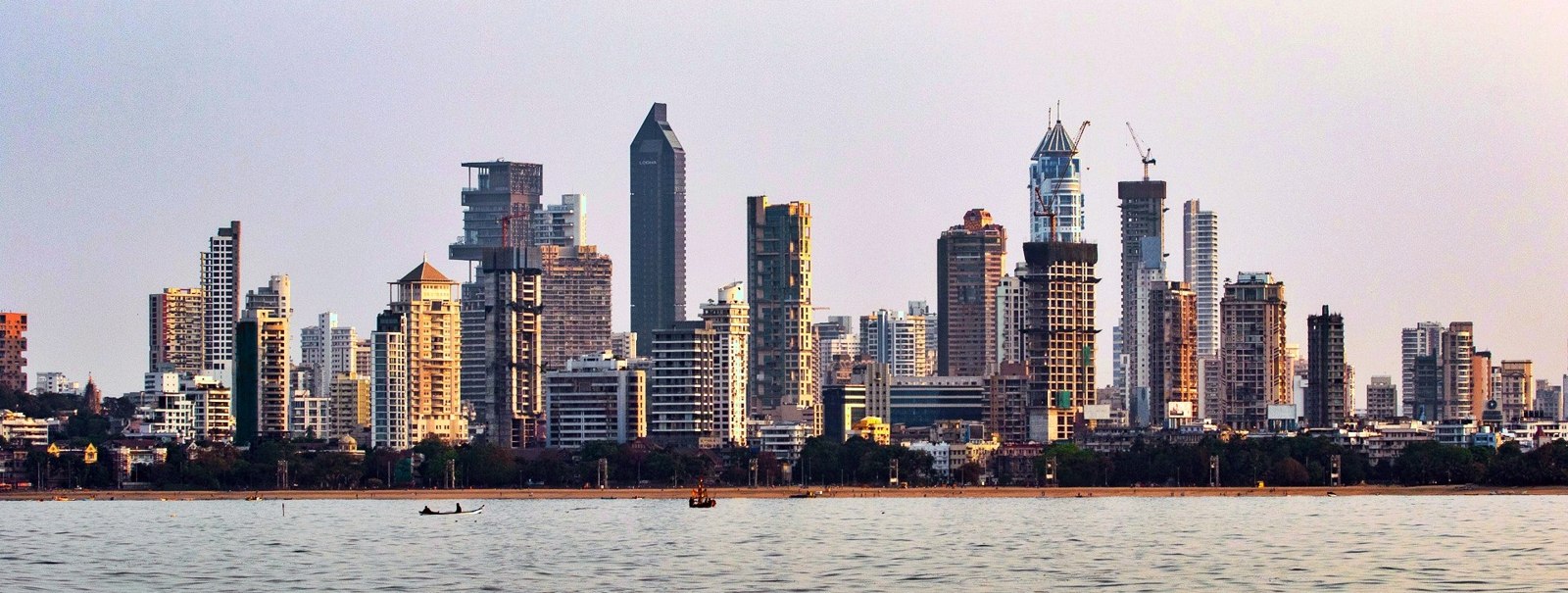
Balasubramanian Rajaram · CC BY-SA 4.0Mumbai skyline from Marine Drive
Sirpurkar333 · CC BY-SA 4.0Tiger Point in Lonavala
Sunishu5 · CC0Needle Hole Point in Mahabaleshwar
Rishabh Tatiraju · CC BY-SA 3.0Nakki Lake in Mount Abu
Koshy Koshy · CC BY 2.0Sunset over the Great Rann of Kutch at Dhordo
NandaMunish · CC BY-SA 4.0Charminar in Hyderabad
Original: Nagalakshmikavuri
Derivative work: UnpetitproleX · CC BY-SA 3.0Bangalore Palace in Bengaluru
The original uploader was Nikkul at English Wikipedia. · CC BY-SA 3.0Mysore Palace in Mysuru
Jim Ankan Deka · CC BY-SA 3.0Nilgiri Mountain Railway train near Ooty
A.M.Hurrell (photo)No machine-readable author provided. AHEMSLTD~commonswiki assumed (based on copyright claims). · CC BY 2.5Tadiandamol valley in Kodagu, Coorg
Jyotirmoy · CC BY-SA 4.0Tea plantations in Munnar
Ingo Mehling · CC BY-SA 4.0Houseboat in Alappuzha, Alleppey
Augustus Binu/ facebook · CC BY-SA 3.0Green landscape at Pozhuthana in Wayanad
Outlander07 · CC BY-SA 4.0Chinese fishing nets at sunset in Fort Kochi
Kno-Biesdorf · CC BY-SA 4.0Kumarakom backwaters in Kerala
Jigyasu · CC BY-SA 4.0Boats on Kodaikanal Lake
KARTY JazZ · CC BY-SA 4.0Chennai coastline viewed from the lighthouse near Marina Beach
SlowPhoton · CC BY-SA 4.0Promenade Beach in Puducherry
Vyacheslav Argenberg · CC BY 4.0Vittala temple and market ruins in Hampi
Ms Sarah Welch · CC BY-SA 4.0Kovalam beaches viewed from the lighthouse
Jonathanawhite at English Wikipedia · Public domainDarjeeling Himalayan Railway train passing a fruit shop
Arne Hückelheim
2010-09-21 12:41:53 This is a cropped in which the glare has been lessened · CC BY-SA 4.0Gangtok city viewed from the Crown Prince walkway
Subhrajyoti07 · CC BY-SA 4.0Gurudongmar Lake in northern Sikkim
Original: Yoghya
Derivative work: UnpetitproleX · CC BY-SA 4.0Shillong city in Meghalaya
ChanduBandi · CC BY 2.0One-horned rhinoceros in Kaziranga National Park
Joydeep Chakraborty · CC BY-SA 4.0Victoria Memorial illuminated at night in Kolkata
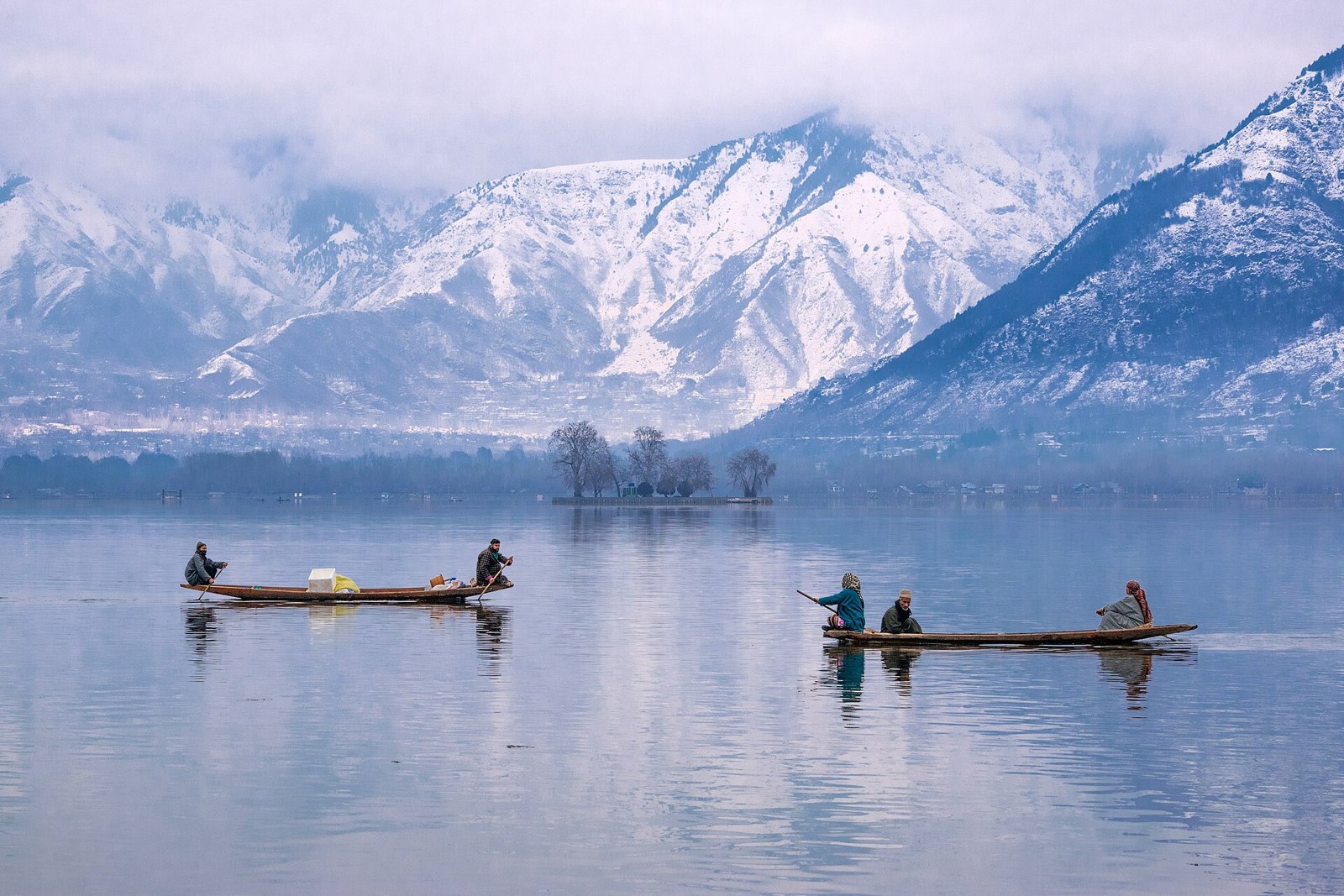
DeepanjanGhosh · CC BY-SA 4.0Dal Lake at Hazratbal in Srinagar, Kashmir
Suhail Skindar Sofi · CC BY-SA 4.0Solang Valley near Manali
Vyacheslav Argenberg · CC BY 4.0Atal Tunnel connecting the Kullu and Lahaul valleys
Vinayaraj · CC BY-SA 4.0Sissu waterfall in Lahaul
Lalitgupta isgec · CC BY-SA 4.0Kullu valley viewed from Rohtang Pass
Vyacheslav Argenberg · CC BY 4.0Hidimba Devi Temple in Manali
Hippiefromhills · CC BY-SA 4.0Kullu valley viewed from Old Manali
UnpetitproleX · CC BY-SA 4.0Vashisht Temple near Manali
Sunberry1111 · CC BY-SA 4.0Naggar Castle in the Kullu valley
Pratishkhedekar · CC BY-SA 4.0Manu Temple in Old Manali
Arunavagora · CC BY-SA 4.0Mall Road in Manali
Ivishalbhutani · CC BY-SA 4.0Jogini Falls near Vashisht, Manali
solarisgirl · CC BY-SA 4.0Great Himalayan National Park in Kullu
Samir Azad · CC BY-SA 4.0Dal Lake in Srinagar
Vineetmbbs · CC BY-SA 3.0Nigeen Lake in Srinagar
Original: KennyOMG
Derivative work: UnpetitproleX · CC BY-SA 4.0Nishat Bagh Mughal Gardens in Srinagar
McKay Savage · CC BY 2.0Gulmarg Gondola in Kashmir
Arup1981 · CC BY-SA 4.0Pahalgam valley in Kashmir
Billjones94 · CC BY-SA 4.0Lidder River in Betaab Valley near Pahalgam
Nandanupadhyay · CC BY-SA 3.0Sonamarg valley in Kashmir
Pranav Joshi · CC BY-SA 3.0Jamia Masjid courtyard in Srinagar
Varun Shiv Kapur from New Delhi, India · CC BY 2.0Shankaracharya Temple in Srinagar
Sanu N · CC BY-SA 4.0Hazratbal Shrine in Srinagar
Hardikmodi · CC BY-SA 3.0Doodhpathri meadows in Kashmir
Ankur P from Pune, India · CC BY-SA 2.0Yusmarg in Kashmir
Suhail Skindar Sofi · CC BY-SA 4.0Baga Beach in Goa
McKay Savage · CC BY 2.0Wednesday flea market at Anjuna in Goa
G patkar · CC BY-SA 3.0Palolem Beach in South Goa
iMahesh · CC BY-SA 4.0Agonda Beach in South Goa
Sobarwiki · Public domainBasilica of Bom Jesus in Old Goa
iMahesh · CC BY-SA 4.0Se Cathedral in Old Goa
Vyacheslav Argenberg · CC BY 4.0Fontainhas streets in Panaji, Goa
iMahesh · CC BY-SA 4.0Fort Aguada in Goa
Abhiomkar · CC BY-SA 3.0Chapora Fort in Goa
Nikhilb239 · CC BY 3.0Dudhsagar Falls on the Goa-Karnataka border
Purshi · CC BY-SA 3.0Areca nut harvesting at Sahakari Spice Farm in Ponda, Goa
Eustaquio Santimano · CC BY-SA 2.0Our Lady of Compassion Church on Divar Island, Goa
Nehanaik1606 · CC BY-SA 4.0Chinese fishing nets at Fort Kochi
Vyacheslav Argenberg · CC BY 4.0Tea estates in Munnar, Kerala
www.eatoutzone.com · CC BY 3.0Nilgiri tahr in Eravikulam National Park
Manu.mohan · CC BY-SA 3.0Houseboats in the Alleppey backwaters
Mohanrangaphotography · CC BY-SA 4.0Houseboat on Vembanad Lake in Kerala
Saad Faruque from Bangalore, India · CC BY-SA 2.0Periyar National Park in Kerala
Wouter Hagens · Public domainVarkala Beach beneath its cliffs
Kondephy · CC BY-SA 4.0Lighthouse Beach in Kovalam
P.K.Niyogi · Public domainMuthanga range in Wayanad Wildlife Sanctuary
Jaseem Hamza · CC BY 3.0Athirappilly Falls in Kerala
Jan Joseph George · CC BY-SA 4.0Vadakkunnathan Temple in Thrissur
Aruna at Malayalam Wikipedia.
Later version(s) were uploaded by Challiyan at ml.wikipedia. Original photographer: en:User:vineethkuruvath · CC BY-SA 3.0Amber Fort near Jaipur
Skmalladi · CC BY-SA 3.0Chandra Mahal in Jaipur City Palace
Chainwit. · CC BY-SA 4.0Hawa Mahal facade in Jaipur
Chainwit. · CC BY-SA 4.0Mehrangarh Fort in Jodhpur
Kroisenbrunner · CC BY-SA 3.0Jodhpur blue city viewed from Mehrangarh Fort
Ramesh Thadani · CC BY-SA 3.0Udaipur City Palace beside Lake Pichola
Vishal0soni at English Wikipedia · CC BY-SA 4.0Jaisalmer Fort in Rajasthan
Adrian Sulc · CC BY-SA 3.0Camel riders on the dunes near Jaisalmer
Pinakpani · CC BY 4.0Pushkar Lake in Rajasthan
Tatai1985 · CC BY-SA 4.0Ranakpur Jain Temple in Rajasthan
Ingo Mehling · CC BY-SA 3.0Chittorgarh Fort reflected in its reservoir
Arne Hückelheim · CC BY-SA 3.0Raniji ki Baori stepwell in Bundi
Shakti · CC BY-SA 3.0Ooty Lake in the Nilgiris
Vinayaraj · CC BY-SA 3.0Government Botanical Garden in Ooty
AmanDshutterbug · CC BY-SA 4.0View from the telescope chamber at Doddabetta Peak
Gauri Wur Sem · CC BY-SA 3.0Nilgiri Mountain Railway train
A.M.Hurrell (photo)No machine-readable author provided. AHEMSLTD~commonswiki assumed (based on copyright claims). · CC BY 2.5Coonoor town in the Nilgiris
Robinder Uppal · CC BY-SA 3.0Dolphin's Nose viewpoint near Coonoor
Thangaraj Kumaravel · CC BY 2.0Tea plantations near Coonoor
Timothy A. Gonsalves · CC BY-SA 4.0Avalanche Lake in the Nilgiris
Ashishdpinjar · CC BY-SA 4.0Pykara Lake in the Nilgiris
torilaure · CC BY 2.0St Stephen's Church in Ooty
This Photo was taken by Timothy A. Gonsalves. Feel free to use my photos, but please mention me as the author. I would much appreciate if you send me an email tagooty@yahoo.com or write on my talk page, for my information. Please contact me before commercial use.
Please do not upload an edited image here without consulting me. I would like to make corrections only at my own source to ensure that the changes improve the image and are preserved.Otherwise you may upload an edited image with a new name. Please use one of the templates derivative or extract. · CC BY-SA 4.0Government Rose Garden in Ooty
N. Vivekananthamoorthy · CC BY 4.0Elephants in Mudumalai Tiger Reserve
A. J. T. Johnsingh, WWF-India and NCF · CC BY-SA 4.0Abbey Falls near Madikeri, Coorg
Santhoshkumar Sugumar · CC BY-SA 4.0Raja's Seat viewpoint in Madikeri
Pawanrao · CC BY-SA 4.0Talakaveri Temple at the source of the Kaveri in Coorg
Sibekai · CC BY-SA 3.0Namdroling Monastery at Bylakuppe
Bikashrd · CC BY-SA 4.0Madikeri Fort in Coorg
Shashidhara halady · CC BY-SA 4.0Hanging bridge at Nisargadhama near Kushalnagar
Tinucherian (talk) · CC BY-SA 3.0Mandalpatti hills in Coorg
RN Satyanarayana rao · CC BY-SA 4.0Iruppu Falls in Coorg
Shanmugamp7 · CC BY-SA 3.0Elephant herd in Nagarhole National Park
This Photo was taken by Timothy A. Gonsalves. Feel free to use my photos, but please mention me as the author. I would much appreciate if you send me an email tagooty@yahoo.com or write on my talk page, for my information. Please contact me before commercial use.
Please do not upload an edited image here without consulting me. I would like to make corrections only at my own source to ensure that the changes improve the image and are preserved.Otherwise you may upload an edited image with a new name. Please use one of the templates derivative or extract. · CC BY-SA 4.0Kathakali performance in Kochi
Wouter Hagens · Public domainElephant bathing at Dubare Elephant Camp in Coorg
BHARATHESHA ALASANDEMAJALU · CC BY-SA 4.0Coffee and spice estate in Coorg
This Photo was taken by Timothy A. Gonsalves. Feel free to use my photos, but please mention me as the author. I would much appreciate if you send me an email tagooty@yahoo.com or write on my talk page, for my information. Please contact me before commercial use.
Please do not upload an edited image here without consulting me. I would like to make corrections only at my own source to ensure that the changes improve the image and are preserved.Otherwise you may upload an edited image with a new name. Please use one of the templates derivative or extract. · CC BY-SA 4.0Theray ritual preparations at Nadikerianda ainmane in Karada village, Coorg
Nitin Kushalappa · CC BY-SA 4.0Taj Mahal in Agra, India
Yann (talk) · CC BY-SA 4.0Qutub Minar in Delhi, India
Rod Waddington from Kergunyah, Australia · CC BY-SA 2.0Traditional Indian thali meal
Paridh · CC BY-SA 4.0Sunrise over the Alleppey backwaters in Kerala
Harvinder Chandigarh · CC BY-SA 4.0Photo on IPL 6 2013
Bholi Aman · CC0Fields in Goa
Nikkul (talk) · CC BY-SA 3.0Downtown Munnar Town. Looking southwest.
Jusjose · CC BY-SA 3.0Howrah Bridge at night in Kolkata
Apoorva Karlekar · CC BY-SA 4.0Hampi, Karnataka
Ilya Mauter · CC BY-SA 2.5Beas river at Manali
Simrank0599 · CC BY-SA 4.0Beautiful River valley
Sheetal Goel · CC BY-SA 4.0Dhauladhar view on the way to solang valley
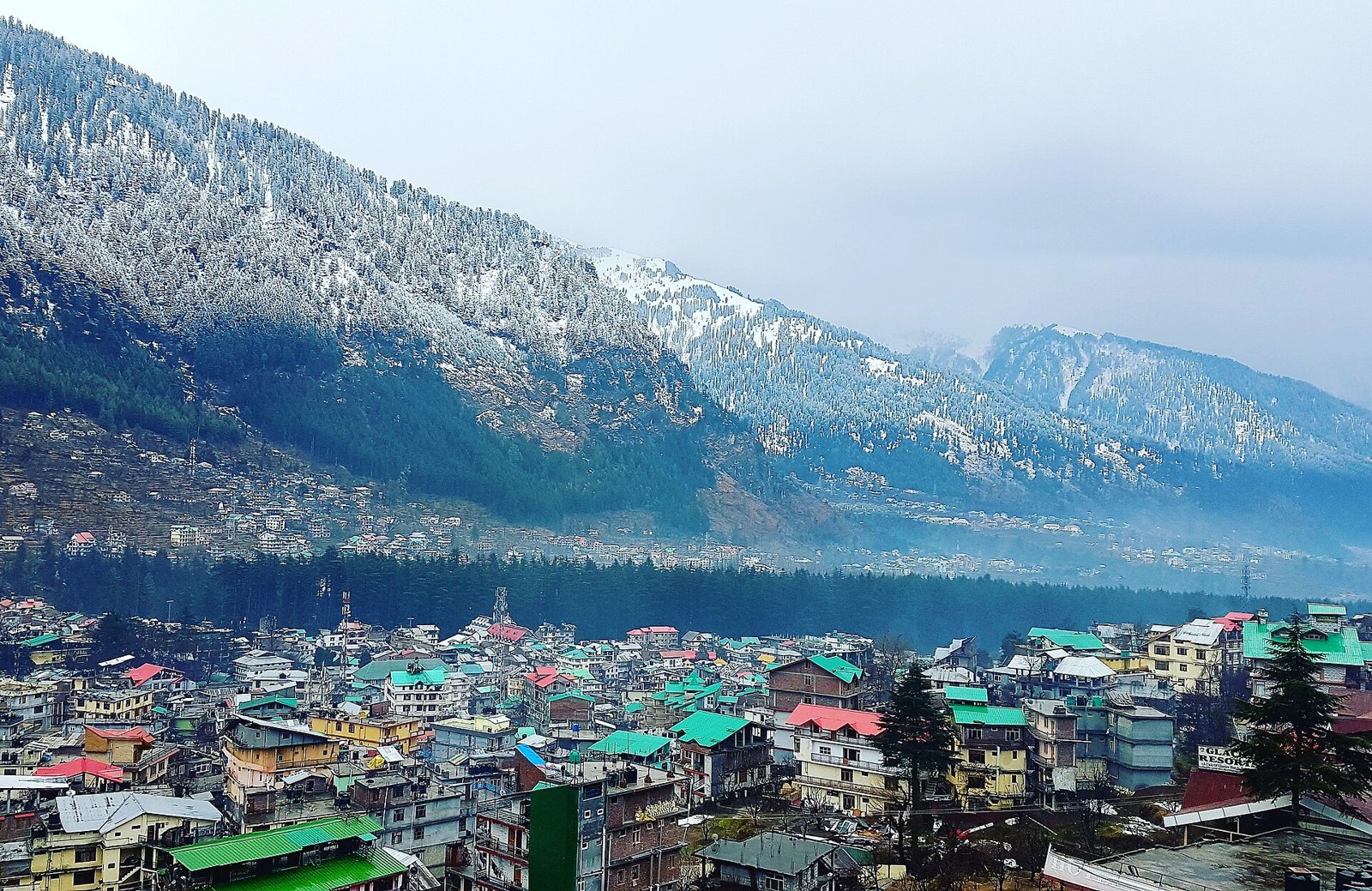
Gayatri Priyadarshini · CC BY-SA 4.0Manali in winters
Hritik412000 · CC BY-SA 4.0Manali jan
Blvo · CC BY-SA 4.0Mountains, Manali, Himachal Pradesh
Shameer Thajudeen · CC BY-SA 4.0Solang Valley, Road, India
Vyacheslav Argenberg · CC BY 4.0Birds Eye
Sabyasachi Baidya · CC BY-SA 3.0Paragliding in Solang valley
Anil1956 at English Wikipedia · Public domainSkiing manali
Saurc zlunag at English Wikipedia · Public domainA folk procession in Shimla
Jaisingh rathore · CC BY-SA 3.0Annadale Ground Shimla side view
502hsuya · CC BY-SA 4.0Annandale Shimla3
Shyamal · CC BY-SA 3.0COE Sanjauli in snow
SidduGhee · CC BY 4.0Cecil Oberoi
Shyamal · CC BY-SA 3.0Christ Church, Shimla
ShashankSharma2511 · CC BY 3.0Char Chinar
Prateek · CC BY-SA 4.0Cheshme Shahi Srinagar 7
PP Yoonus · Public domainDal Lake 39
PP Yoonus · Public domainDal lake aesthetics
Niyati Sharma 1505 · CC BY-SA 4.0Dal lake at sunset
Vikrant · CC BY-SA 4.0Floating Post Office - Dal Lake - Srinagar- Jammu and Kashmir
Vinayaraj · CC BY-SA 3.0Florists Shikara
Doniv79 at English Wikipedia · CC BY-SA 2.5Houseboat- Dal Lake, srinagar Kashmir
Basharat Shah · CC BY 2.0India - Srinagar - 014 - Dal Lake lilly pads
McKay Savage · CC BY 2.0Buddhist deity
Steve Hicks · CC BY 2.0Confluence of Indus and Zanskar rivers
Bernard Gagnon · CC BY-SA 4.0Ibex m f
Tashi Lonchey · CC BY-SA 4.0Jabro Dance Ladakh
Ramesh Lalwani · CC BY 2.0Khardung La , Ladakh Range, North India, Himalaya
Vyacheslav Argenberg · CC BY 4.0Amber Fort - Sheesh Mahal Interior
Vssun · CC BY-SA 3.0Amber Fort Second Courtyard Mirror Palace view
BazaNews · CC BY-SA 3.0Amber Fort interior
See original source for author · Public domainAmer Fort, Architecture, India
Vyacheslav Argenberg · CC BY 4.0Amer fort view during the night lighting
Chinmayisk · CC BY-SA 3.0Amer palace sheesh mahal
Roshanrajverma · CC BY-SA 4.0Courtyard of Amer Fort, India
Vyacheslav Argenberg · CC BY 4.0Door of a gate to Amber Fort, Rajasthan
Uhooep · CC BY-SA 4.0Embossed silver artwork in Sheesh Mahal, Amer Fort, India
Vyacheslav Argenberg · CC BY 4.0Inner halls of Amber Fort, India
Vyacheslav Argenberg · CC BY 4.0A jumping camel
Aranya Bhadu · CC BY-SA 4.0Bada bhagh, jaialmer
Vineethasara · CC BY-SA 4.0Gadsisar Lake Sunset
Terry Presley from Lubbock, United States · CC BY 2.0Jain temples, Jaisalmer Fort - panoramio
jokertrekker · CC BY 3.0Jaisalmer, India, Jaisalmer Fort, Jain Temple Interior
Vyacheslav Argenberg · CC BY 4.0Jaisalmer, India, Palace, Haveli
Vyacheslav Argenberg · CC BY 4.0A view of Villages and farms in south Rajasthan India
TeshTesh · CC BY-SA 4.0City Palace Aerial View by Pranshu Dubey
Pranshu Dubey · CC BY-SA 3.0City Palace by lake Pichola, Udaipur
tommy · CC BY-SA 2.0Durbar Hall, Fateh Prakash Palace Hotel, Udaipur
Arian Zwegers · CC BY 2.0Evening view, City Palace, Udaipur
Geri from Biel/Bienne, Schweiz · CC BY-SA 2.0I Love Udaipur
Ankto420 · CC BY-SA 4.0Chini ka Rauza, Agra
Varun Shiv Kapur · CC BY 2.0Jaswant Singh-ki-Chattri
DeepanjanGhosh · CC BY-SA 4.0Marbleworks-1
David Castor (dcastor) · Public domainMariam's Tomb, Sikandra, Agra
Sauravmitra · CC BY-SA 3.0PIETRA DURA - Agra - India
MyotisSI · CC BY-SA 3.0Pc abhay
Vineet11james · CC BY-SA 4.0Birla Mandir Delhi
Ashishbhatnagar72 at English Wikipedia · CC BY-SA 3.0Connaught Place New Delhi
Vladislav Bezrukov · CC BY 2.0DelhiMetroBlueLineBombardier
WillaMissionary · Public domainDelhi Metro and CNG Buses in Azadpur Neighborhood
Varun Shiv Kapur · CC BY 2.0Delhi Red fort
Hemant banswal · CC BY-SA 4.0Digambar Jain Lal Mandir, Chandni Chowk, Delhi
Art Poskanzer from Berkeley, USA · CC BY 2.0Ranthambore National Park
THerrington · CC BY-SA 3.0Spotted deer in Ranthambhore Tiger Reserve
Drvbanerjee · CC BY-SA 4.0Annapurna Temple
Avantica David · CC BY-SA 3.0Battees Khamba
Avantica David · CC BY-SA 3.0Fine rock art at Ranthambhore Fort
Jpmeena · CC BY-SA 3.0Naulakha gate,ranthambor fort
Amitjls · CC BY-SA 3.0BeachFun
Sam 8393 · CC BY-SA 4.0Boys and girls at Goa beach
Goa4goa · CC BY-SA 4.0Chamuças
Adrião · CC BY 3.0Closeup shot of Immaculate Conception Church, Panaji
iMahesh · CC BY-SA 4.0Costa Residence Margao
Portugal Editor Exploration · CC BY-SA 4.0Dudhsagar Falls Triplet
Purshi · CC BY-SA 3.0GOA Colva Beach - panoramio
Tanya Dedyukhina · CC BY 3.0Galeria em Fontainhas
Shambhavi Karapurkar · CC BY-SA 4.0Goa Memorial
Nikhil Kulkarni · CC BY-SA 3.0Goa Pilot Vehicle
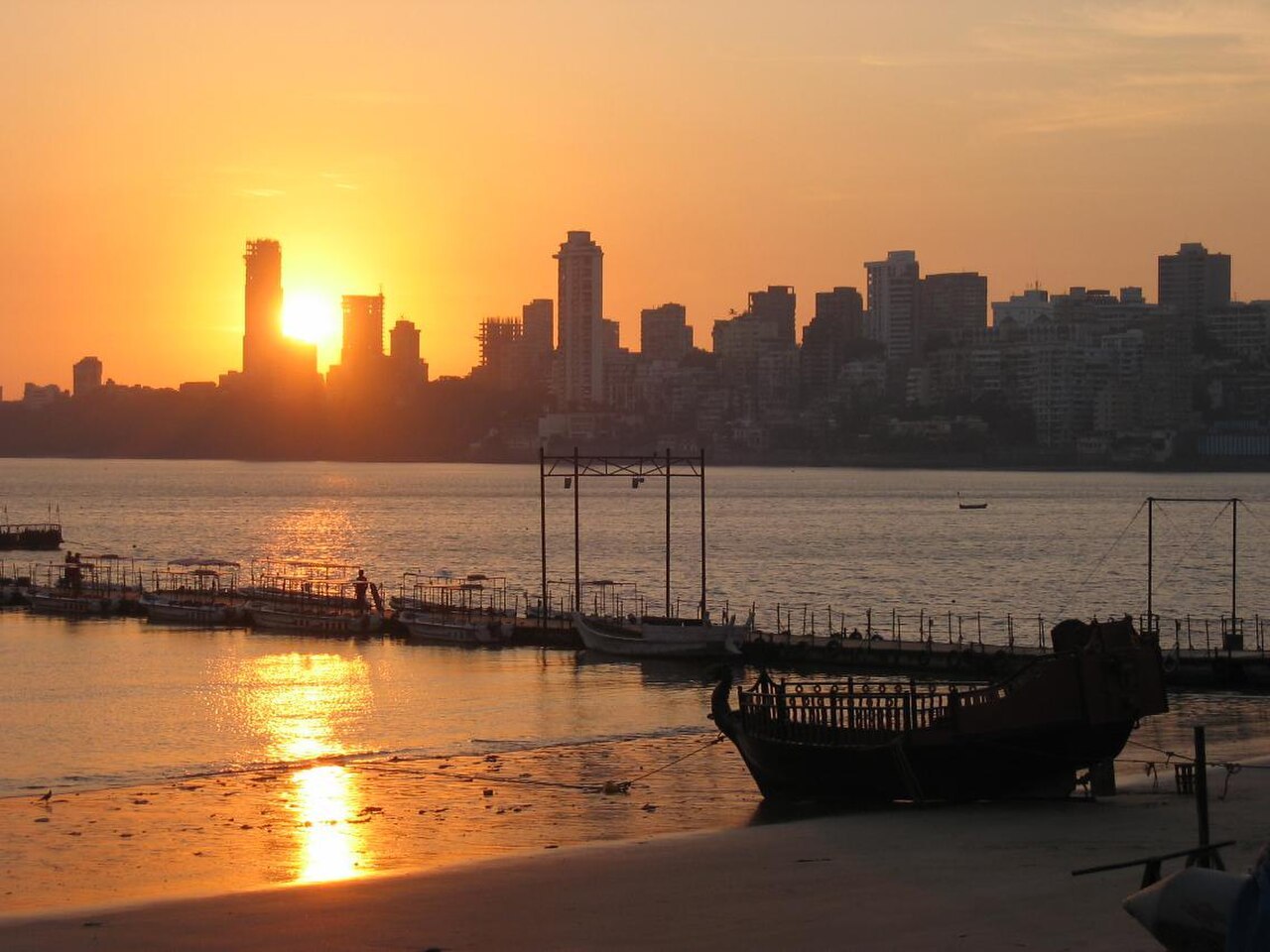
Debastein · CC BY-SA 3.0BackBay skyline
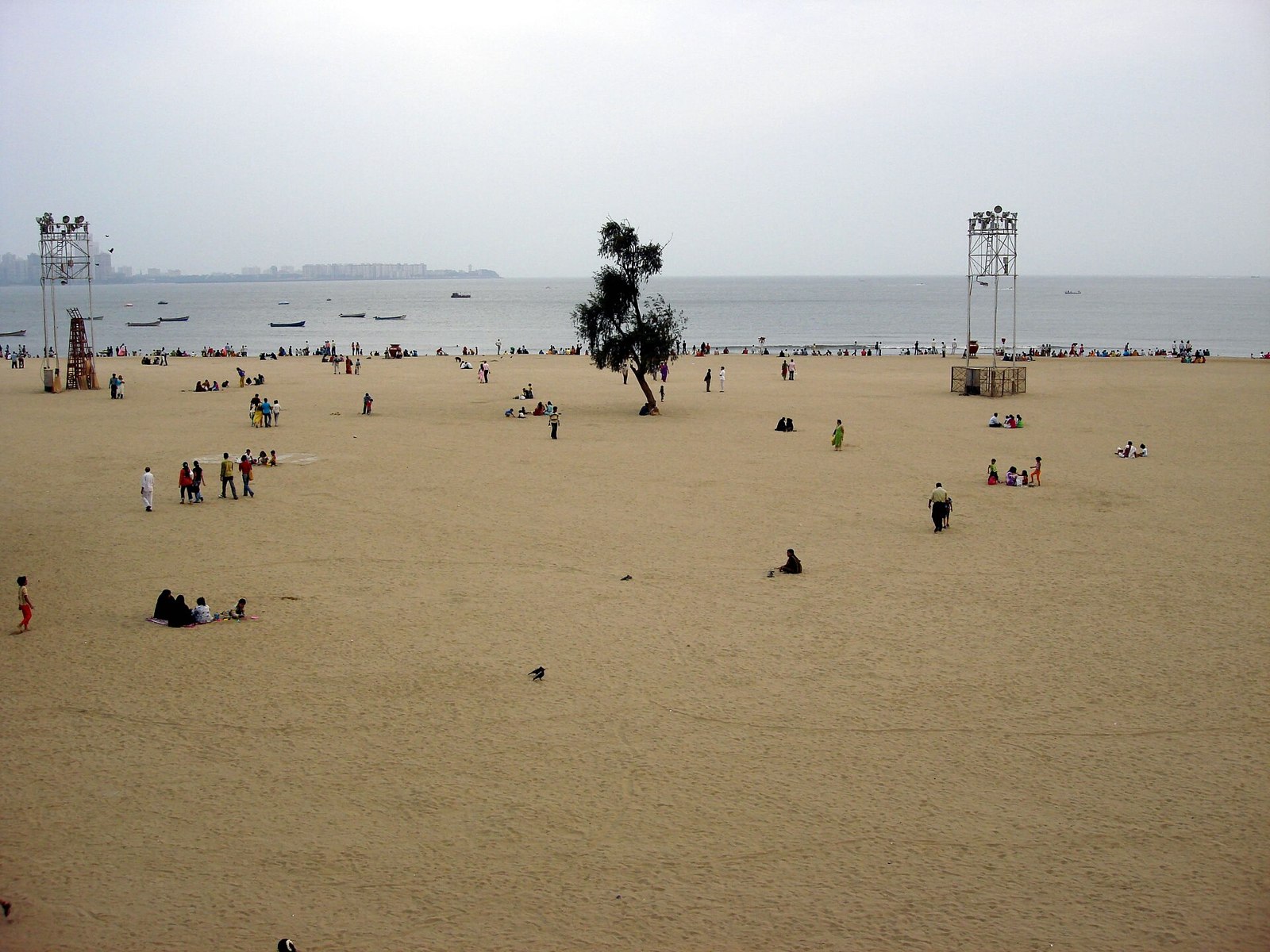
Shaunak Modi · CC BY 4.0Chowpatti
Original uploader was Nikkul at en.wikipedia · CC BY-SA 2.0Chowpatti Beach
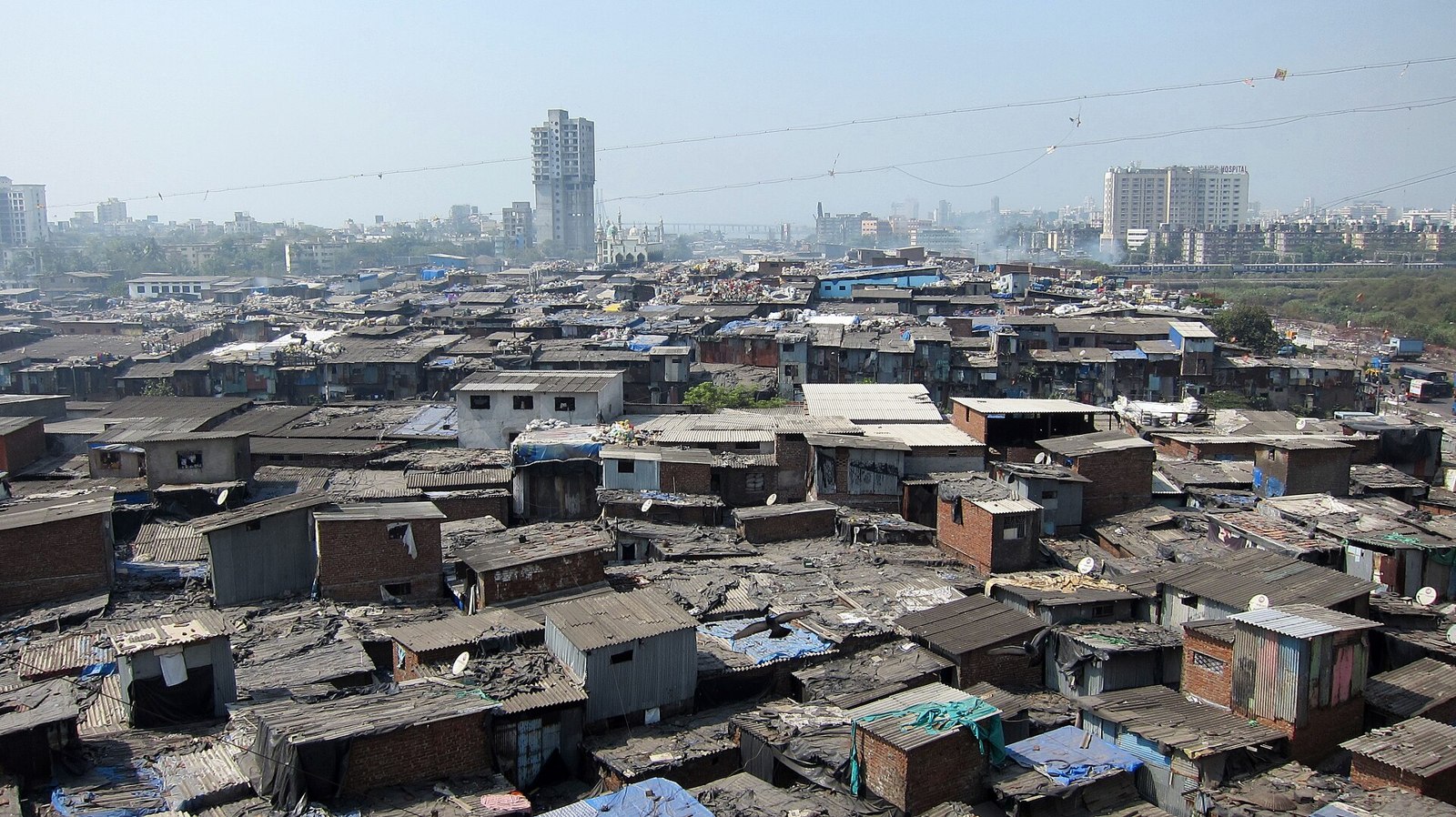
Jorge Láscar · CC BY 2.0Dharavi India
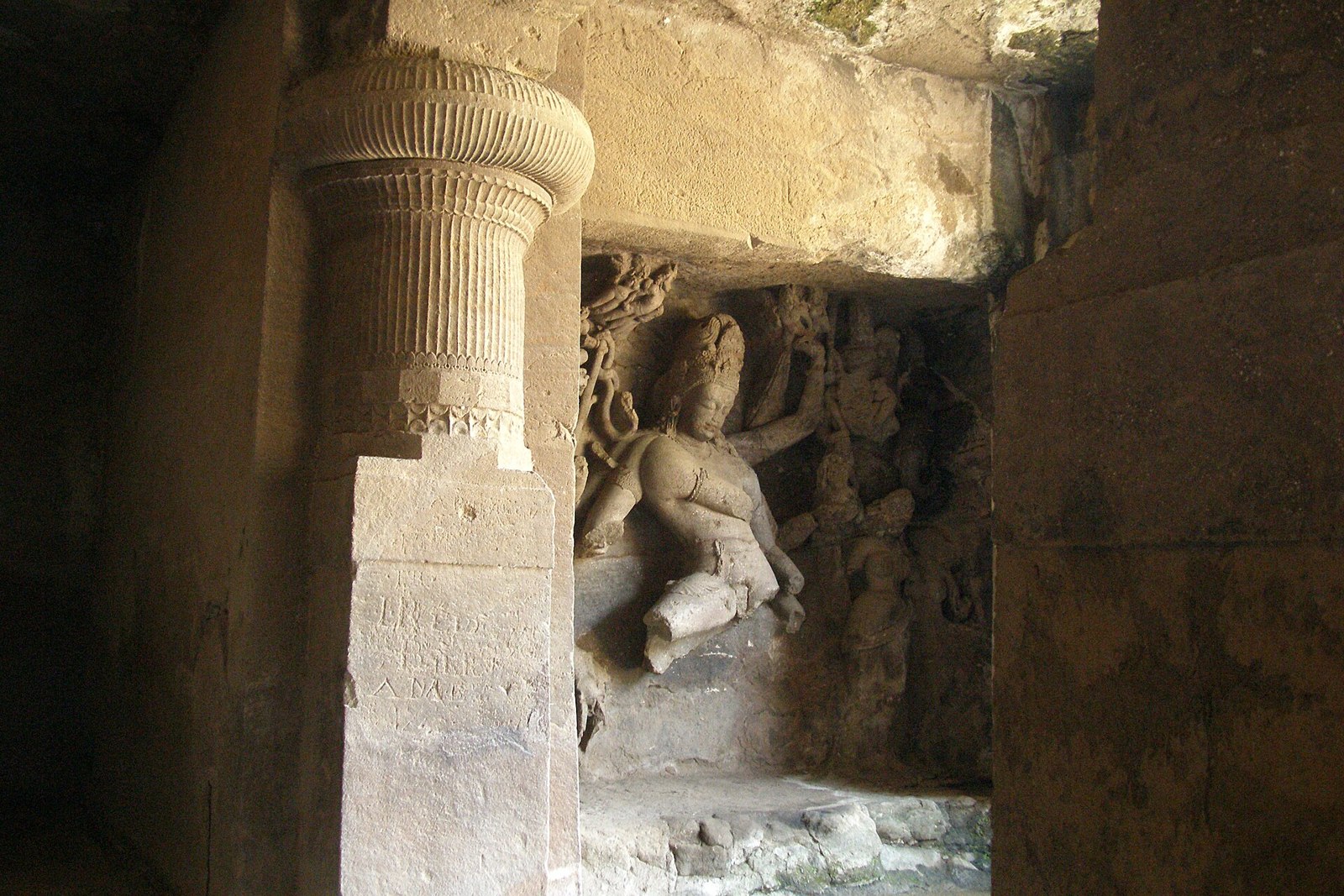
YGLvoices · CC BY 2.0Elephanta Caves, India, Shiva as Nataraja, King of Dance
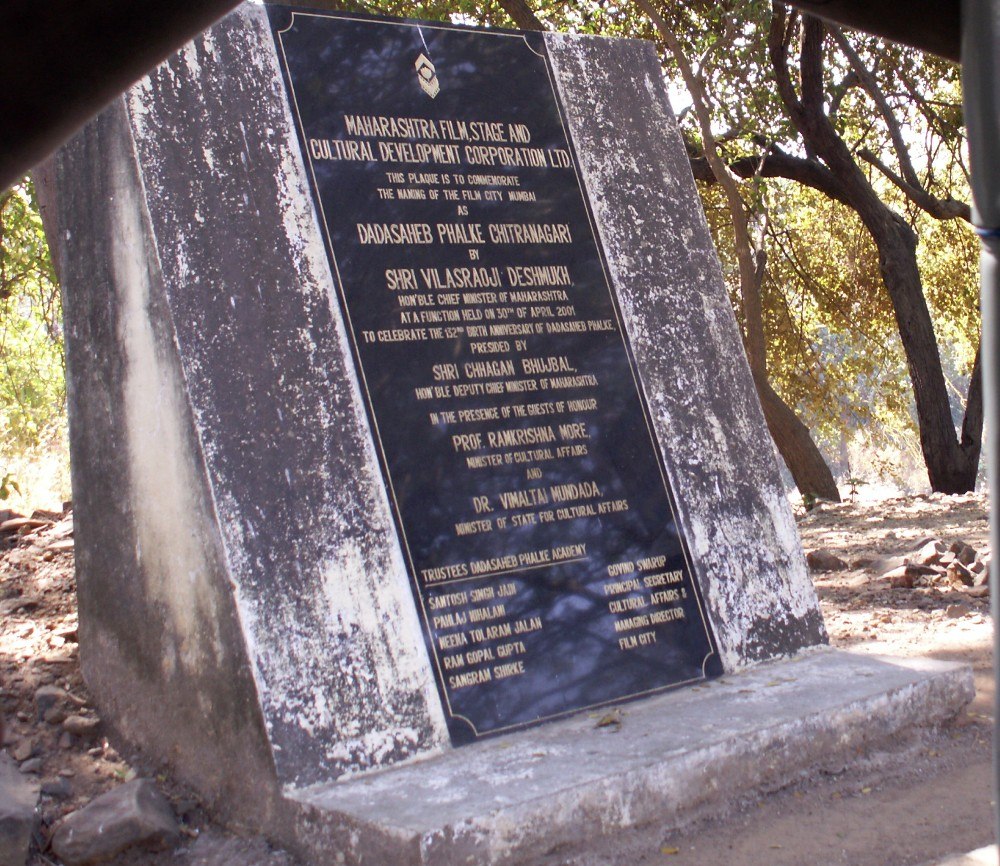
Vyacheslav Argenberg · CC BY 4.0Film City
That Girl Over There · CC BY-SA 2.0Bhaja Caves 1
KrishnaKumar Balasundaram · CC BY-SA 4.0Bhushi Dam - Lonavala
Vivek Shrivastava · CC BY-SA 3.0Dukesnose
Alewis2388 · CC BY 3.0Khandala ghat during rains
Gayatri Priyadarshini · CC BY-SA 4.0Lions Point - India
Heath Cajandig · CC BY 2.0Narayani Dham lonavala
V.P.knocker · CC BY-SA 4.0Balakwadi Dam
Bagheera2 · CC BY 2.0Boats On Venna Lake
Ganesh G (Ganeshrg) · CC BY-SA 4.0Lingmala waterfall 1
Karthik Easvur · CC BY-SA 4.0MAHABALESWAR LAN
Amitban77 · CC BY 4.0Mahabaleshwar
Abid Hasan · CC BY-SA 3.0Mahabaleshwar Panorama
Rishabh Tatiraju · CC BY-SA 3.0Brahma Kumari foundation Head Quarter at Mount Abu
Susant purohit · CC BY-SA 4.0Dilwara Prashvantha Temple
Pratyk321 · CC BY-SA 4.0Jaipur House at Mount Abu, Rajasthan
Harshil s mehta · CC BY-SA 4.0Kalpavruksha page
Coolgama · CC BY-SA 4.0Monkeys near Mount Abu, Rajasthan, India
RndmCrs · CC0Mount Abu
Andreas Kleemann · CC BY-SA 3.0 de'WHITE DESERT' at Dhordo in Great Rann of Kutch
Rudolph.A.furtado · CC0Rann of Kutch - Highest Point
Superfast1111 · CC BY-SA 3.0Rann of Kutch - White Desert
Superfast1111 · CC BY-SA 3.0Rann of Kutch - White Desert 2
Superfast1111 · CC BY-SA 3.0Tropic of Cancer - a few miles from Rann of Kutch
Superfast1111 · CC BY-SA 3.0Aerial view of Durgam cheruvu and Hitech CIty
iMahesh · CC BY-SA 4.0Begumpet main road from Metro station
iMahesh · CC BY-SA 4.0Birla Mandir on a sunset
iMahesh · CC BY-SA 4.0Durgam Cheruvu Panorama
iMahesh · CC BY-SA 4.0Falaknuma Palace 01
Bernard Gagnon · CC BY-SA 3.0Hussain sagar, sailing festival. Hyderabad India
Fountain_head · CC BY 2.0BangaloreLake
The original uploader was Nikkul at English Wikipedia. · CC BY 2.0Bangalore Fort
Nicholas Bros · Public domainBangalore palace side view
Ayush Singh · CC BY-SA 4.0IISC Bangalore 01
Pravega · CC0Naganatheshvara Temple at Begur, Bengaluru
Dineshkannambadi · CC BY-SA 3.0SMVT Bengaluru
Santosh4118 · CC BY-SA 4.0Mysore India Infosys
Indianhilbilly · CC BY-SA 3.0Mysore Silk Saree
Kiranravikumar · CC BY-SA 3.0Mysore race course
Hsk007in · Public domainWarli Paintings, Mysore
Prof tpms · CC BY-SA 4.0Zoo entrance gate
Punithsureshgowda · CC BY-SA 3.0A Courtyard of Amba Vilas Palace , during day
Shashank Mehendale · CC BY-SA 4.0Ooty hills 2
Barkave Balusamy · CC BY-SA 4.0The Fernhills Palace, Ooty
Kpsudeep · CC BY-SA 4.0Toda Hut
Pratheepps · CC BY-SA 3.0Boathouse-pan 4diff pics
Challiyan at Malayalam Wikipedia · CC BY-SA 2.5Flower show ooty
kosan09 · CC BY 2.0Ooty Lake in Tamil Nadu 04
Pinakpani · CC BY-SA 4.0Pykara waterfalls
flickrPrince · CC BY 2.0Sunset in Needle Rock View Point
Raj · CC BY 2.0Doddabetta peak
Shafeequepgl · CC BY-SA 4.0Ooty Aerial view
Hemant meena · CC BY-SA 3.0Coorg - The Scotland of India
Shefali mithra · CC BY-SA 4.0Golden Temple, Kodagu pic 3
Navi guy · CC BY-SA 4.0Golden temple at Khushalnagar in Karnataka
Dineshkannambadi (talk) 21:16, 9 August 2008 (UTC) · CC BY-SA 3.0Kodava Men Prepping to sing The "Balo Paat"
Jagath Ponnanna PM · CC BY-SA 4.0Mallalli falls 1
Shanmugamp7 · CC0Tadiandamol Trek Starting point near resort
Navi guy · CC BY-SA 4.0A hanging bridge constructed to enjoy the view of Abbey Falls, Madikeri
Vaishak Kallore (Vaishak Kallore) · CC BY 3.0Kaveri by Dubare Forest
Ashwin Geet Dsa · CC BY-SA 4.0Talakaveri Temple during Mansoon
Visurao4all · CC BY-SA 4.0Thalakkaveri Temple, Karnataka
Pranchiyettan · CC BY-SA 3.0CSI Churchyard in CSI Christ Church in Munnar, Kerala 10
Pinakpani · CC BY 4.0Eravikulam National Park, Munnar - panoramio
Jaseem Hamza · CC BY 3.0Eravikulum National Park PM 07
Priyanka Manocha · CC BY-SA 4.0MunnarTown1
Aruna at Malayalam Wikipedia · CC BY-SA 3.0Munnar - View from Grand Plaza Hotel
Ingo Mehling · CC BY-SA 4.0Munnar CSI Christ Church
Pinakpani · CC BY 4.0AC Road SH-11
RajeshUnuppally · CC BY-SA 3.0Alleppey beach
Mohanrangaphotography · CC BY-SA 4.0Alleppey canal
Vimaljoseph93 · CC BY-SA 4.0Ambalappuzha Temple
Pradeep717 · CC BY-SA 3.0Jain-temple-alleppey
Ajeshunnithan · CC BY-SA 4.0JainTempleAlappuzhaFrontPrd
Pradeep717 · CC BY-SA 4.0Cave at Edakkal
Asif K Karim · CC BY-SA 3.0Karapuzha project
Stalinsunnykvj · CC BY-SA 4.0Mint mall Sulthan bathery
Ansil Naseem · CC BY-SA 4.0Sulthan Bathery Ricefarm2
Nijusby · CC BY-SA 3.0View point of Thamarassery Churam
Keerikkadanjose · CC BY-SA 4.0Wayanad wildlife sanctuary
Outlander07 · CC BY-SA 4.0Fort Cochin view
Augustus Binu/ www.dreamsparrow.net/ facebook · CC BY-SA 3.0Fort kochi steam boilers
Ranjithsiji · CC BY-SA 3.0Kerala jain temple
Thorsten Vieth from Bangalore, India · CC BY-SA 2.0Kochi, Fishing nets at sunset, Kerala, India
Vyacheslav Argenberg · CC BY 4.0Mad Crab
Augustus Binu : flickr · CC BY-SA 3.0Administrative Block , Cusat
Vivekobey · CC BY-SA 4.0Munnar Overview
Kondephy · CC BY-SA 4.0Anamudi from Munnar Gundumalai road
Jaseem Hamza · CC BY 3.0View of Munnar Mountains
Kaitha Poo Manam · CC0Kerala Kuttanad2
Sourav Niyogi · CC BY-SA 3.0Leo XIII HSS, Alappuzha
Kaeez06 · CC BY-SA 4.0Our Lady of Mount Carmel Cathedral
Vimaljoseph93 · CC BY-SA 4.0Pallathuruthi bridge pano small
Challiyan at Malayalam Wikipedia · CC BY 3.0St. Andrew's Forane Church of Arthunkal
Challiyil Eswaramangalath Vipin from Chalakudy, India · CC BY-SA 2.0VembanadAlleppey
Ashish Sharma · CC BY-SA 4.0Bicolored Frog or Malabar Frog
Anand2202 · CC BY-SA 4.0Entrance to Information Centre at Periyar Tiger Reserve
Ahmad Faiz Mustafa · CC BY-SA 3.0Bryant Park, Kodaikanal
Ishfaq Shams · CC BY 3.0Kodaikanal Solar Observatory-a
Marcus334 at English Wikipedia
(Original text: Indian Institute of Astrophysics) · CC BY 2.5Pillar Rocks in Kodaikanal
Dhanil K · CC BY-SA 3.0Terraced farming- Kodaikanal
Ramkumar · CC BY-SA 2.0View from Coaker's Walk in Kodaikanal
KARTY JazZ · CC BY-SA 4.0ALCOB Ashok Leyland Corporate Building in Guindy, Chennai
Ask27 · CC BY-SA 3.0Alstom Metropolis train-set at Guindy Metro station in Chennai
Arjun1001 · CC BY-SA 4.0Chennai Central
jamal haider from india · CC BY-SA 2.0Chennai LabourStatue Closeup
Rasnaboy · CC BY-SA 3.0Chennai National Art Gallery
slasha · CC BY 2.0Chitlapakkam-lake-chennai-7-r
Destination8infinity · CC BY-SA 4.0"White Monument at Evening"
B-Pro 9 · CC BY-SA 4.0Aayi mandapam pondicherry
Suryathecreator · CC BY-SA 4.0Aurobindo Ashram Pondichery - Outside view
Rameshng at Malayalam Wikipedia · Public domainLong exposure shot of Beach road near Pondicherry harbour
Deepak TL · CC BY-SA 4.0Manakula Vinayagar Temple 2K22TNKAN
Vinayaraj · CC BY-SA 4.0PNY airside
Trinidade · CC BY-SA 4.015th-16th century ruins of market and Vaishnavism Achyutaraya Tiruvengalanatha temple, Hampi Hindu monuments Karnataka 3
Ms Sarah Welch · CC BY-SA 4.015th century aqua duct to Mahanavami platform Pushkarani step well, Hampi Hindu monuments Karnataka 3
Ms Sarah Welch · CC BY-SA 4.01 Frescoe at Virupaksha temple, Hampi, Karnataka
Pradipta.S · CC BY 4.02 Frescoe at Virupaksha temple, Hampi, Karnataka
Pradipta.S · CC BY 4.06 Sasivekalu temple de Ganesha Hindu Hampi Vijayanagar Karnataka India
Jean-Pierre Dalbéra · CC BY 2.0A temple near the sunset point of Hemakuta hill
iMahesh · CC BY-SA 4.001KovalamBeach&Kerala
mehul.antani · CC BY 2.0Kovalam 01 by Tanweer
Tanweer Morshed · CC BY-SA 4.0Kovalam Hawah Beach
P.K.Niyogi · Public domainKovalam Samodra Beach
P.K.Niyogi · Public domainKovalam beach trivandrum kerala
Georgeumartin · CC BY-SA 4.0Darjeeling-panoramic
benjamin chia · CC BY 2.0Darjeeling Botanical Garden 02
Bernard Gagnon · CC BY-SA 4.0Darjeeling Municipality
Sumit Surai · CC BY-SA 4.0Gorkha family shopping in Darjeeling
Judith · CC BY 2.0GorkhalandSupport
Sailendra Dewan user:Saildew · CC BY-SA 4.01 Beauty of hill city Gangtok
IamBumba · CC BY-SA 4.0A Overhead view of Gangtok from the ropeway facility
Srikanthkashyap · CC BY-SA 3.0Ban Jhakri Falls - Gangtok
Indrajit Das · CC BY-SA 3.0Ban Jhakri Falls Energy Park - Gangtok
Indrajit Das · CC BY-SA 3.0Dro-dul Chorten - Gangtok, Sikkim
Indrajit Das · CC BY-SA 3.0Buddha statue at Buddha Park of Ravangla, Sikkim, India
Joydeep · CC BY-SA 4.0Chardham at Namchi
Ankit Darsi · CC BY-SA 4.0Cherry Resort inside Temi Tea Garden, Namchi, Sikkim
Subhrajyoti07 · CC BY-SA 4.0Enchey Monastery Prayer Hall
Sufe · CC BY-SA 4.0Gnathang Krishna Mandir
Arup1981 · CC BY-SA 4.0Cathedral of Mary Help of Christians, Shillong 1
Javed Rahman · CC BY 2.0Elephant Fall of Shillong
Simbu123 · CC BY-SA 3.0Elephant Falls II, Shillong
Prasanta Kr Dutta · CC BY-SA 4.0Lady Hydari Park
ANKAN · CC BY-SA 4.0Laitlum Canyon
ANKAN · CC BY-SA 4.0Mary Help of Christians Cathedral, Shillong – Front Side
ANKAN · CC BY-SA 4.0A hog deer at Kaziranga National Park, Assam, India 1
Joydeep Chakraborty · CC BY-SA 4.0A wild water buffalo at Kaziranga National Park, Assam, India
Joydeep Chakraborty · CC BY-SA 4.0Asiatic buffalo
NejibAhmed · CC BY-SA 4.0Assam 028 yfb edit
Original image by Peter Andersen, edited by Yummifruitbat · CC BY 2.5Assam 042
Peter Andersen · CC BY 2.5Assam 057
Peter Andersen · CC BY 2.5Akashvani Bhavan, Kolkata
John Meckley · CC BY-SA 2.0Calcutta ei05-02
G41rn8 · CC BY-SA 4.0Durga Idol, Kolkata-04
রবিরশ্মি রায় · CC BY-SA 4.0EM Bypass Kolkata
NalGup20 · CC BY 4.0Eden Gardens, Kolkata
Nahid Sultan · CC BY-SA 4.0Howrah Station
Lovedimpy · CC0Rann Utsav tents at Dhordo beside the White Rann
Kaushik Patel from Mehsana, India · CC BY 2.0Silver Cascade waterfall near Kodaikanal
Ganagram · CC BY 4.0Lighthouse at Kovalam
Shishirdasika · CC BY-SA 4.0Nubra Valley in Ladakh
Rajat Tyagi · CC BY-SA 4.0Tea plantation in Darjeeling
Joydeep · CC BY-SA 3.0Gangtok city from Tibet Road
Thebrowniris · CC BY 3.0Temi Tea Garden in Sikkim
Subhrajyoti07 · CC BY-SA 4.0Shikara boat on Dal Lake in Srinagar
Laportechicago at English Wikipedia · CC BY 2.5High-altitude lake at Shingo La in the Himalayas
Ahtih (talk) · CC BY 3.0The Cellular Jail, Port Blair
Harvinder Chandigarh · CC BY-SA 4.0Colonial-era block of the Cellular Jail
Harvinder Chandigarh · CC BY-SA 4.0Banyan roots over ruins on Netaji Subhas Chandra Bose Dweep (Ross Island)
Vinayaraj · CC BY-SA 4.0Sunset over the rocks at Chidiya Tapu
Arkadeep Meta · CC BY-SA 4.0The clock tower at Aberdeen Bazaar
Biswarup Ganguly · CC BY 3.0The red-and-white lighthouse on North Bay Island
Yercaud-elango · CC BY-SA 4.0Palm-fringed Corbyn's Cove beach
Yercaud-elango · CC BY-SA 4.0Islets in the Mahatma Gandhi Marine National Park near Wandoor
Earth Science and Remote Sensing Unit, Lyndon B. Johnson Space Center · Public domainRadhanagar Beach on Havelock Island (Swaraj Dweep)
Vinayaraj · CC BY-SA 4.0Wide white sands of Radhanagar Beach
Vinayaraj · CC BY-SA 4.0Shaded beach beds on Radhanagar Beach
Vinayaraj · CC BY-SA 4.0Boats on the shallows at Elephant Beach
Shimjithsr · CC BY-SA 3.0A lone tree over turquoise water at Kalapathar Beach
Arup1981 · CC BY-SA 4.0A diver over coral reefs off Havelock Island
AshwiniShinde · CC BY-SA 4.0Golden sunset over the sea on Havelock Island
Shivam Bapat · CC BY-SA 4.0The shallow lagoon at Elephant Beach
Subro89 · CC BY-SA 4.0Bharatpur Beach seen from the Neil Island jetty
Ankur Panchbudhe from Pune, India · CC BY-SA 2.0Turquoise shallows at Bharatpur Beach
Harvinder Chandigarh · CC BY-SA 4.0Rocky tide pools at Laxmanpur Beach
Srikantamedia · CC BY-SA 4.0The Natural Rock Bridge on Neil Island
Amritachattopadhyay10 · CC BY-SA 4.0Sunset seen from Neil Island
Soumayan Mukhopadhayay · CC BY-SA 4.0Calm turquoise bay at Bharatpur Beach
Biswajit Majumdar · CC BY-SA 3.0A quiet stretch of Laxmanpur Beach
Vyacheslav Argenberg · CC BY 4.0The Thiruvalluvar Statue and Vivekananda Rock Memorial seen from the Kanyakumari shore
Casual clicks · CC0Vivekananda Rock Memorial at dusk
Prashant Kharote · CC BY 4.0The 133-foot Thiruvalluvar Statue on the rock islet
Vinayaraj · CC BY-SA 4.0Sunrise over the sea at Kanyakumari
Shruti Bhargava · CC BY-SA 4.0Our Lady of Ransom Church, Kanyakumari
Firoz B · CC BY-SA 4.0The Gandhi Memorial Mandapam, Kanyakumari
Arunpnair 787 · CC BY-SA 4.0The moat and ramparts of Vattakottai Fort
Prabhup25 · CC BY-SA 4.0The beach and ferry jetty at Kanyakumari with the memorial islets beyond
Prashant Kharote · CC BY-SA 4.0Sunset behind the memorial islets, Kanyakumari
RamyaMBA · CC0