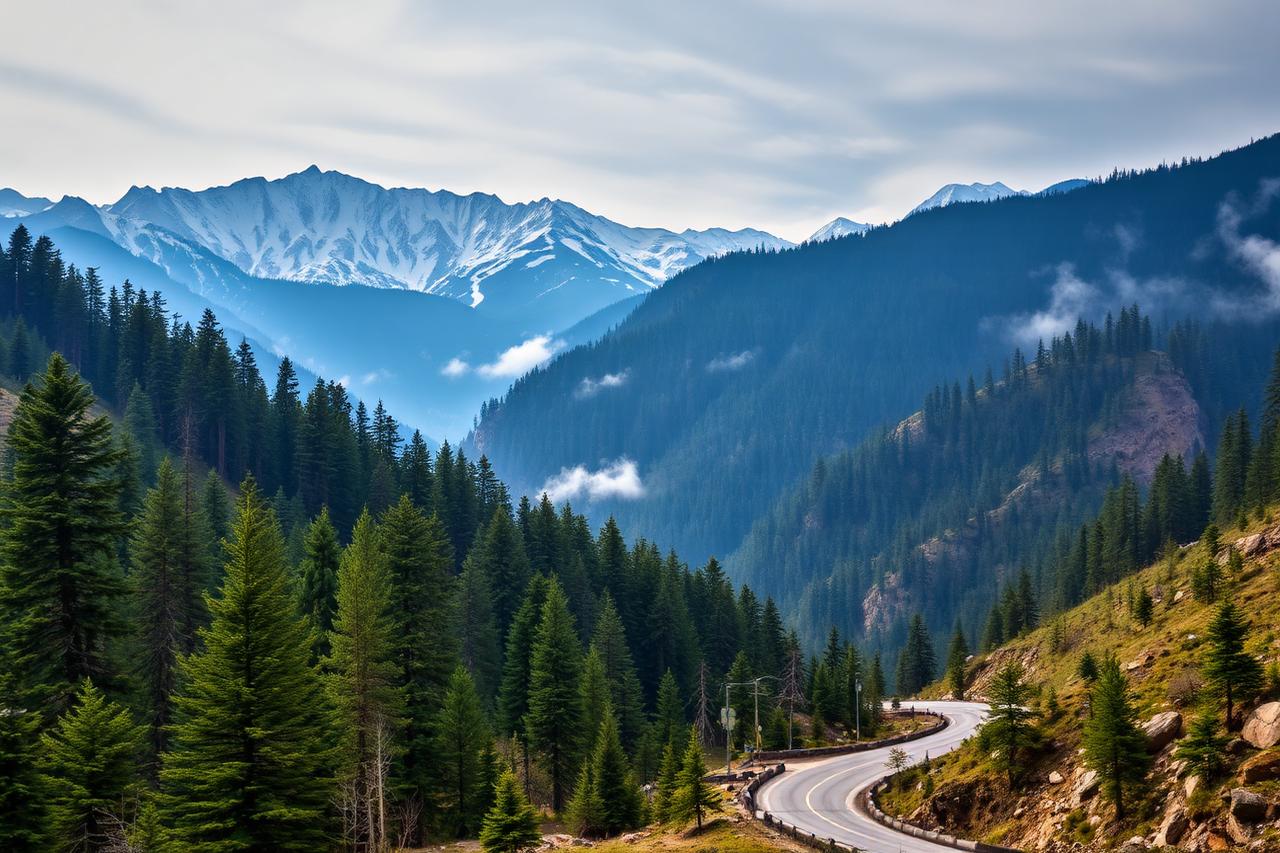
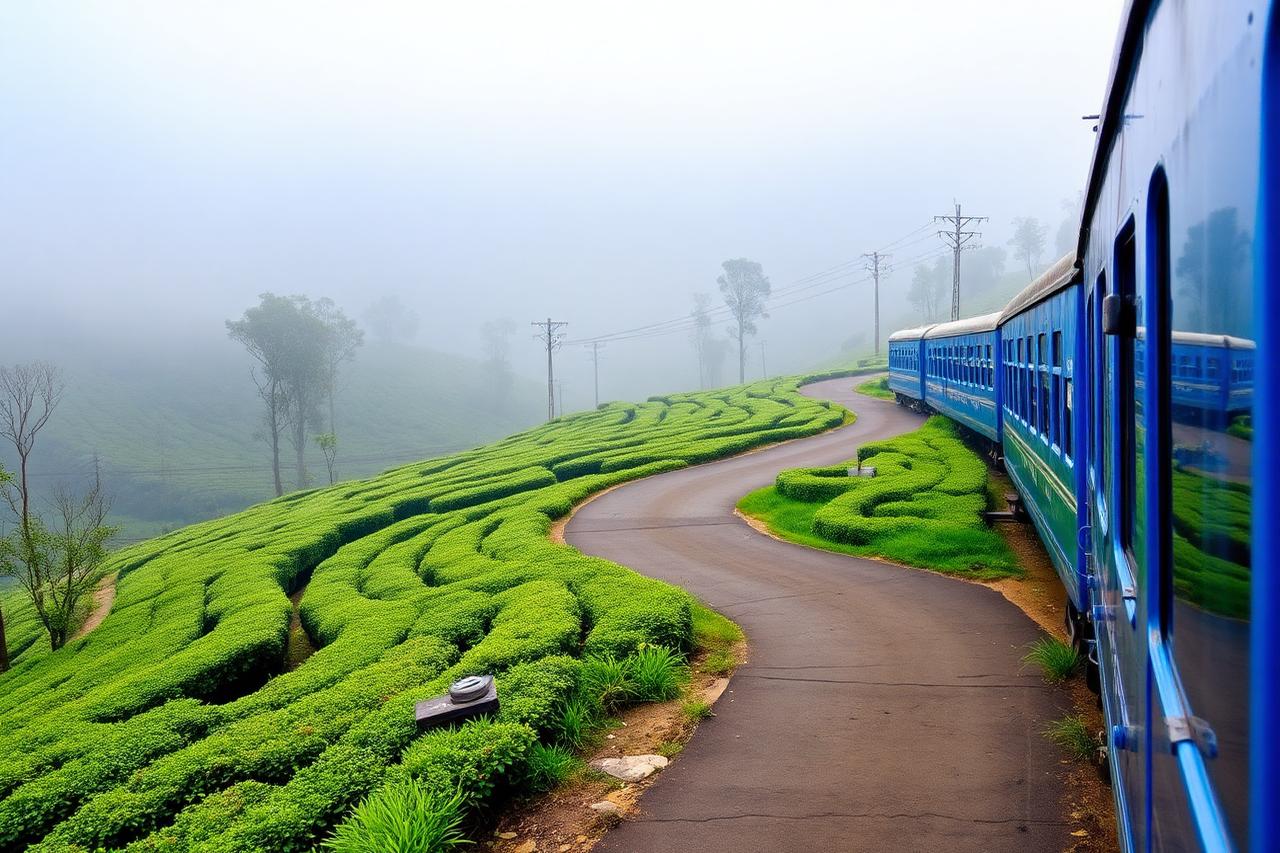
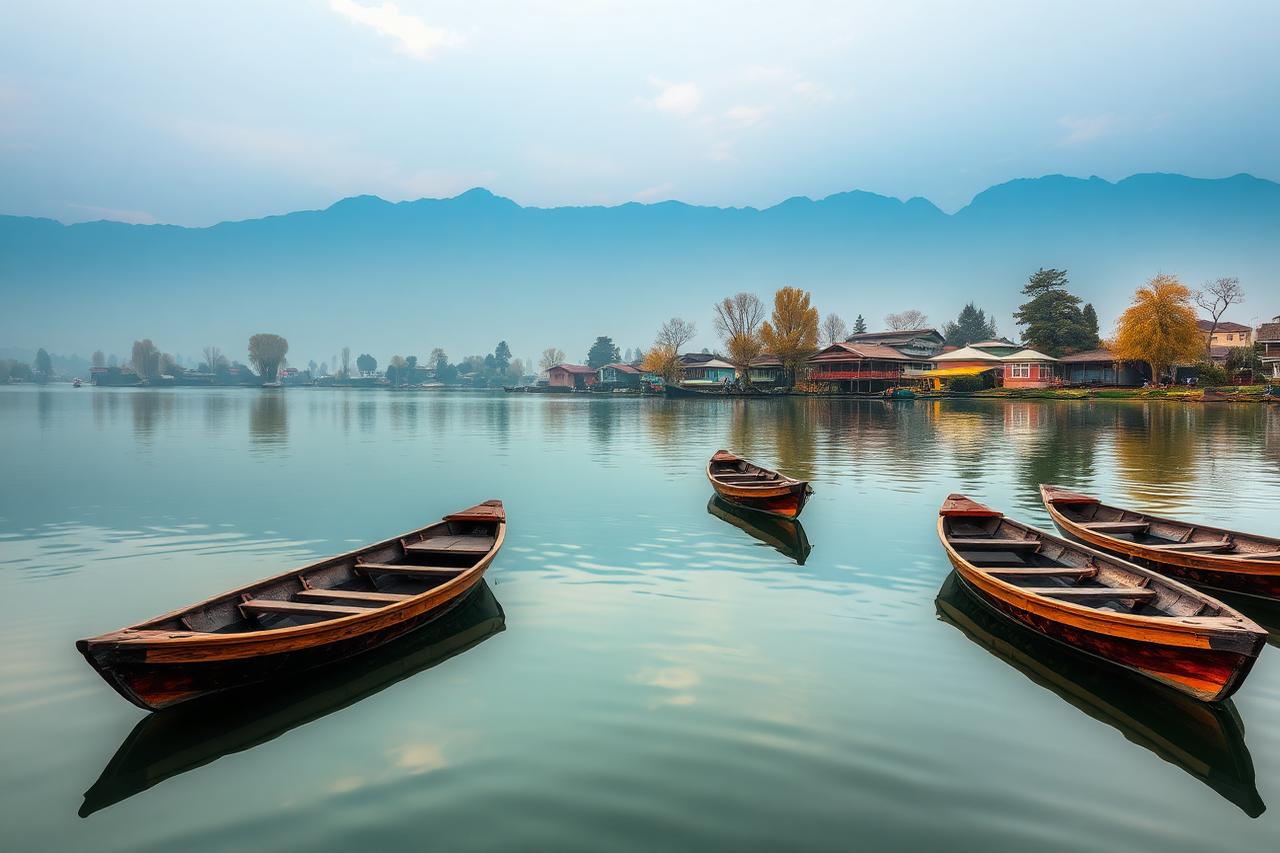
Ooty, Tamil Nadu — Rolling green tea plantations on misty South Indian hills

Ooty

The queen of the Nilgiris.

State
Tamil Nadu
Recommended duration
4 Days / 3 Nights
Best months
October – June
Estimated package price
₹16,000 onwards

About the destination

Why travellers visit Ooty

Ooty — properly Udhagamandalam — sits at about 2,240 m in the Nilgiris, a plateau of grassland, shola forest and tea estates that the British developed as a summer capital for the Madras Presidency. That history is still visible in the stone churches, the Government Botanical Garden, boarding schools and the narrow-gauge railway that climbs from the plains.

The town itself is busy and built-up around the lake and the bazaar, and travellers who expect an untouched hill village are usually surprised. What makes Ooty worth the trip is what surrounds it: the tea slopes towards Coonoor, the shola-grassland ridges at Doddabetta and Avalanche, and the drive down to Masinagudi where the plateau drops into Mudumalai's forest.

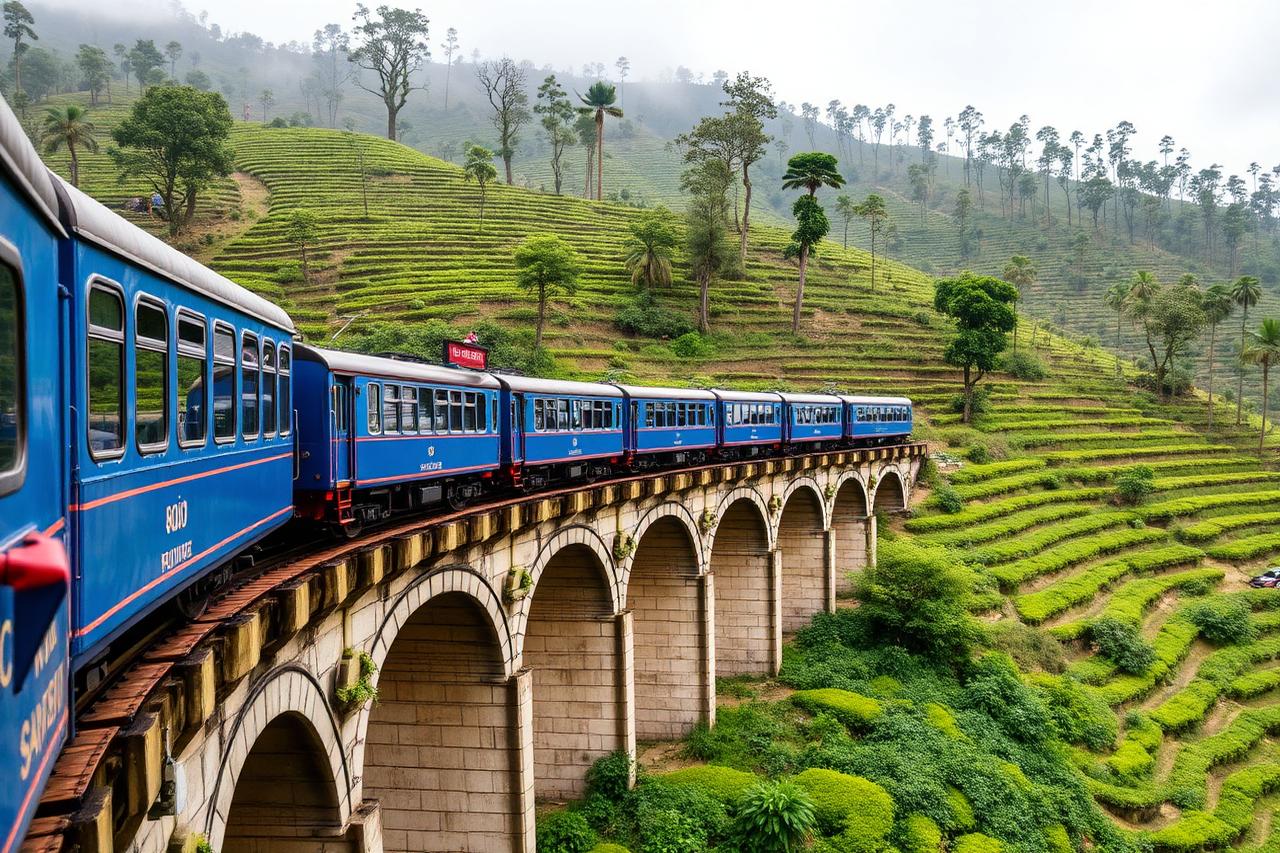
Coonoor, 20 km down the hill, is quieter and greener and is where many repeat visitors now base themselves. Between the two, the Nilgiri Mountain Railway makes a slow, noisy and thoroughly enjoyable ride through tunnels and tea gardens — the Coonoor–Ooty section is the easiest stretch to fit into an itinerary.

Ooty works particularly well for families with children and older travellers: the sightseeing is gentle, the roads are good and there is no altitude concern. Adventure travellers and those looking for solitude will find more of both in Coonoor, Avalanche or across the border in Wayanad.
FamilyNatureRomanticHillsHeritage

Places to visit

Top attractions in and around Ooty

What each place is, why it is worth your time, how long to allow and when to go.

Ooty Lake, Ooty

Ooty Lake

An artificial lake created in 1824, now a boating and family recreation area at the edge of town.

Why visit: The most convenient outing in Ooty, with pedal and row boats and a small toy train around the shore.

Suggested duration
1–2 hours
Best time
Morning
Distance
About 2 km from the bus stand
Government Botanical Garden, Ooty

Government Botanical Garden

A 22-hectare terraced garden laid out in 1848, with an Italian-style section, glasshouse and a fossil tree trunk.

Why visit: The best-maintained public garden in the Nilgiris and the venue for the May flower show.

Suggested duration
2 hours
Best time
Morning; May for the flower show
Distance
About 3 km from the centre
Doddabetta Peak, Ooty

Doddabetta Peak

At 2,637 m, the highest point in the Nilgiris, with a telescope house and views over the plateau.

Why visit: The widest single view in the region; visibility is far better early in the day before cloud builds.

Suggested duration
1 hour
Best time
Soon after opening
Distance
About 10 km
Nilgiri Mountain Railway, Ooty

Nilgiri Mountain Railway

A UNESCO-listed metre-gauge line running from Mettupalayam to Ooty via Coonoor, using a rack-and-pinion section on the steepest climb.

Why visit: A genuine heritage railway that passes through 16 tunnels and tea country; the Coonoor–Ooty leg is the easiest to book.

Suggested duration
1.5 hours for Coonoor–Ooty; about 5 hours from Mettupalayam
Best time
Morning departures
Distance
Ooty railway station is central
Coonoor and Sim's Park, Ooty

Coonoor and Sim's Park

A smaller hill town below Ooty with a 12-hectare botanical park and quieter tea-estate roads.

Why visit: Greener and more relaxed than Ooty, and the base for Dolphin's Nose and Lamb's Rock.

Suggested duration
Half to full day
Best time
Morning
Distance
About 20 km
Dolphin's Nose and Lamb's Rock, Ooty

Dolphin's Nose and Lamb's Rock

Cliff viewpoints above the Catherine falls valley, looking down towards the plains.

Why visit: The most dramatic drop-away views in the Nilgiris, reachable by a short drive from Coonoor.

Suggested duration
2 hours
Best time
Early morning before mist
Distance
About 12 km from Coonoor
Tea estates and factory visits, Ooty

Tea estates and factory visits

Working estates around Ooty and Coonoor offering plucking demonstrations, factory tours and tastings.

Why visit: Explains grading and processing, and the estate roads themselves are the prettiest driving in the area.

Suggested duration
1–2 hours
Best time
Mid-morning
Distance
Throughout the district
Avalanche Lake and Emerald, Ooty

Avalanche Lake and Emerald

A reservoir and forest area southwest of Ooty in a protected shola-grassland zone, entered with forest department permission.

Why visit: The closest thing to wild Nilgiris scenery within a day trip, with far fewer people than the town sights.

Suggested duration
Half day
Best time
October – March
Distance
About 25 km
Pykara Lake and Falls, Ooty

Pykara Lake and Falls

A lake and waterfall on the Pykara river with boating and a shola forest stretch nearby.

Why visit: A pleasant half-day drive that combines water, forest and grassland in one stop.

Suggested duration
3 hours
Best time
Morning
Distance
About 20 km
St Stephen's Church, Ooty

St Stephen's Church

An 1830s church built with timber said to have been brought from Tipu Sultan's palace at Srirangapatna.

Why visit: The oldest church in the Nilgiris, with a graveyard that reads like a district history.

Suggested duration
45 minutes
Best time
Morning
Distance
Central Ooty
Rose Garden, Ooty

Rose Garden

A terraced garden on Elk Hill holding one of India's largest rose collections.

Why visit: Best in the May flowering season, with town views from the upper terraces.

Suggested duration
1 hour
Best time
April – June
Distance
About 2 km
Mudumalai and Masinagudi, Ooty

Mudumalai and Masinagudi

A tiger reserve on the descent towards Karnataka, with jeep safaris and elephant habitat.

Why visit: The wildlife counterpoint to Ooty's gardens, on the way to or from Mysore or Bandipur.

Suggested duration
Half to full day
Best time
Early morning safari slots
Distance
About 35 km down the ghat

Top experiences

Signature things to experience in Ooty

The heritage toy train

The Nilgiri Mountain Railway's steam-assisted climb is a slow ride through tunnels and tea gardens. Seats on the Mettupalayam service sell out early; the Coonoor–Ooty leg is easier to get.

Tea tasting and factory tours

Small factories around Coonoor run short tours covering withering, rolling and grading, ending in a tasting. Estate shops sell single-estate grades you won't find in supermarkets.

Viewpoint mornings

Doddabetta, Dolphin's Nose and Lamb's Rock all reward an early start; by 10 am mist frequently closes in, especially in monsoon.

Boating on the lakes

Pedal and motor boats at Ooty Lake and Pykara; children generally enjoy the lakeside toy train and pony rides.

Trekking and shola walks

Guided walks around Avalanche, Mukurthi and the Kotagiri ridges pass through grassland and pockets of shola forest. Forest permits apply in protected zones.

Colonial-era Ooty walk

St Stephen's Church, the old Nilgiri Library, the club buildings and stone bungalows around Charing Cross.

Nilgiri kitchen tastings

Homemade chocolate and varkey biscuits from Ooty bakeries, plus Badaga and Kongunadu cooking at local restaurants.

Wildlife safari at Mudumalai

Forest department jeep and van safaris in fixed morning and evening slots, better booked ahead in season.

Suggested itineraries

Plans for different trip lengths

Sample plans only — days can be shortened, extended or reordered to suit your dates and pace.

3 Days / 2 Nights

The town highlights plus Coonoor, at a relaxed pace.

  1. Day 1Arrival in Ooty

    Arrive up the ghat road, check in and spend the afternoon at Ooty Lake and the Botanical Garden.

  2. Day 2Coonoor and the toy train

    Take the Nilgiri Mountain Railway down to Coonoor, visit Sim's Park and Dolphin's Nose, and return by road via a tea factory.

  3. Day 3Doddabetta and departure

    Early climb to Doddabetta Peak for clear views, then shop for tea and chocolate before departing.

Best time to visit

Ooty through the seasons

Recommended: October – June, with April – June busiest.

Peak season

April – June

Cool and pleasant, roughly 15–25°C, while the plains below are at their hottest.

  • Best weather for gardens, boating and viewpoints
  • Flower show and summer festival season
  • Everything fully operational
  • Very crowded, with heavy traffic through the town
  • Highest hotel rates of the year
  • Toy train tickets sell out weeks ahead

Shoulder season

September – November and February – March

Cool, mostly dry days of 12–22°C with cold mornings and clear post-monsoon air.

  • Clearest views of the year in October and November
  • Lower rates and easier bookings
  • Green landscape after the rains
  • Cold nights need proper layers
  • Occasional late showers in September
  • Shorter daylight for sightseeing

Off season

July – August and December – January

The southwest monsoon brings persistent mist and rain; midwinter is cold and frost is common on the grasslands.

  • Cheapest stays and empty attractions
  • Intense greenery and full waterfalls in monsoon
  • Atmospheric misty tea estates
  • Viewpoints often clouded over completely
  • Leeches on forest trails in monsoon
  • Some trekking routes closed

Weather through the year

  • Summer (Apr–Jun)

    Cool and pleasant

  • Monsoon (Jul–Sep)

    Misty with frequent rain

  • Post-monsoon (Oct–Nov)

    Clear and crisp

  • Winter (Dec–Feb)

    Cold mornings, frost possible

Getting there & around

How to reach Ooty

Main arrival routes and the transport options once you are there.

By Air

Coimbatore International Airport (CJB)

About 90 km

The nearest airport, with good domestic connections. Kozhikode and Bengaluru are alternatives for some routings.

Onward: Taxis take roughly 3–3.5 hours up the ghat; buses run via Mettupalayam.

By Rail

Mettupalayam (for the Nilgiri Mountain Railway) and Coimbatore Junction

About 47 km / 90 km

The heritage line starts at Mettupalayam, connected to Chennai by the Nilgiri Express. Coimbatore is the main long-distance railhead.

Onward: The toy train climbs to Ooty in about 5 hours; taxis and buses take roughly 2 hours from Mettupalayam.

By Road

Ghat roads from Mettupalayam, Gudalur and Mysore

About 260 km from Bengaluru, 155 km from Mysore

The Mettupalayam route has 13 hairpin bends; the Mysore route passes through Bandipur and Mudumalai and closes to traffic at night.

Onward: TNSTC and KSRTC buses serve Ooty from Coimbatore, Mysore and Bengaluru.

Local transport options

  • Private cab (full day)

    Local taxi unions charge per sightseeing circuit; useful for Pykara and Avalanche.

    Approx. ₹2,000–₹3,500 per day

  • Auto rickshaw

    Convenient within town; fares are usually negotiated rather than metered.

    Approx. ₹50–₹300

  • Local bus

    Frequent to Coonoor, Kotagiri and Gudalur, and very cheap.

    Approx. ₹10–₹60

  • Toy train

    Nilgiri Mountain Railway fares vary by class; book well in advance in season.

    Approx. ₹30–₹600 per person

  • Rental two-wheeler

    Available in town; roads are winding and often wet, so ride carefully.

    Approx. ₹500–₹900 per day

  • Walking

    The lake, Charing Cross and the bazaar area are easily walkable.

    Free

Distances, timings and fares are approximate and vary with season, operator and road conditions.

Accommodation

Where travellers usually stay

Typical stay categories in Ooty and which areas suit which kind of trip.

Budget

Approx. ₹1,200–₹2,500 per night

Guesthouses and small hotels near the bus stand and lake area.

Mid-range

Approx. ₹3,000–₹6,000 per night

Hotels and cottages around town, generally with heating on request and in-house dining.

Premium

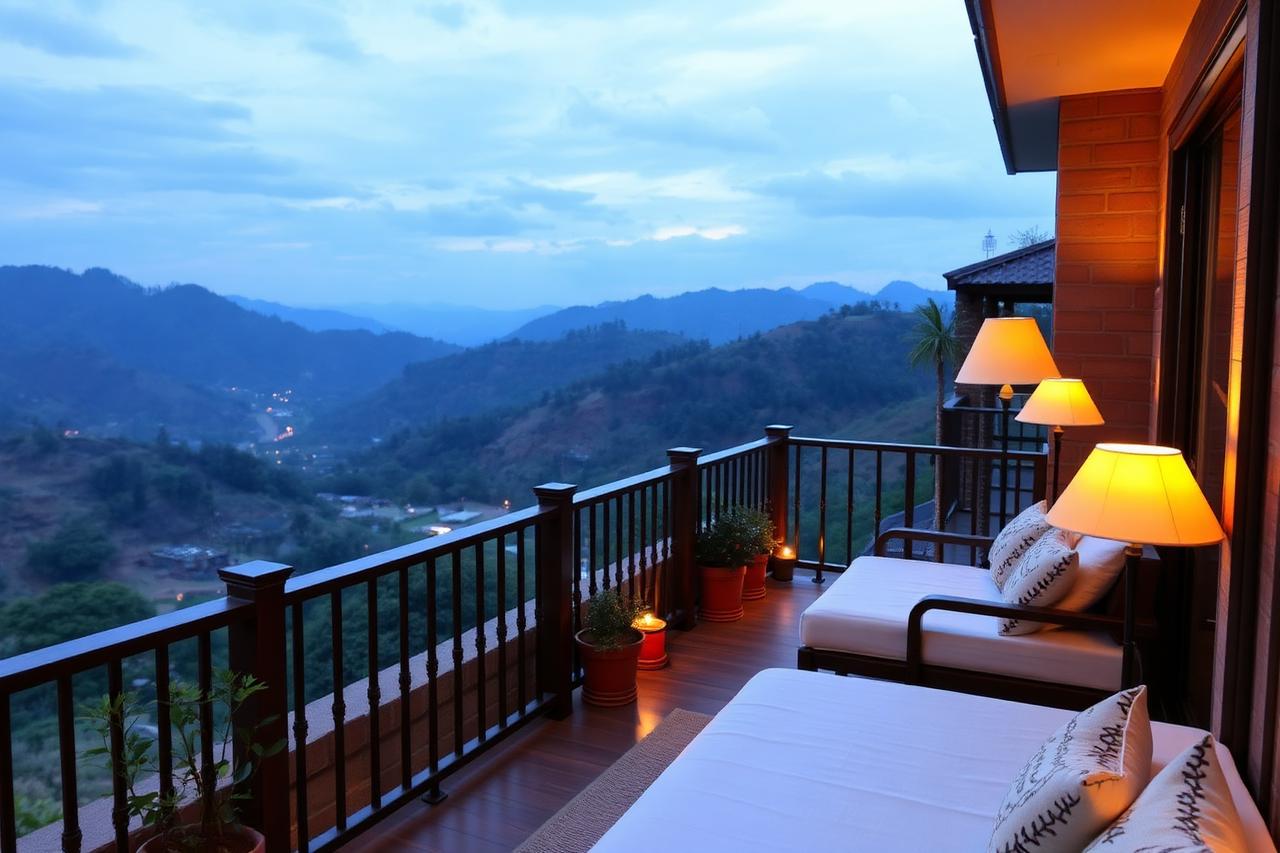
Approx. ₹8,000–₹20,000+ per night

Colonial-era bungalows, tea estate stays and resorts with gardens and fireplaces.

Charing Cross & town centre

Central, busy and walkable to shops, restaurants and the lake.

Suits: Short stays and travellers without their own transport.

Around Ooty Lake

Family-focused hotels close to boating and the children's attractions.

Suits: Families with young children.

Fernhill & Elk Hill

Quieter slopes above the town with heritage bungalows and gardens.

Suits: Couples and travellers who want calm with easy town access.

Coonoor

Greener, less crowded, with tea estates and viewpoints on the doorstep.

Suits: Repeat visitors, photographers and slower itineraries.

Kotagiri

The quietest of the three Nilgiri towns, mainly homestays and estate cottages.

Suits: Travellers seeking solitude and long walks.

Room rates are indicative averages for a double room and change with season and property category. This website does not list, recommend or arrange specific hotels.

Estimated package costs

What the trip may cost

Indicative figures for two travellers, excluding flights unless stated.

Budget

₹12,000 – ₹16,000 per person

Guesthouse stay, buses and shared transport, garden entries and local food.

Standard

₹16,000 – ₹25,000 per person

Mid-range hotel, private cab for sightseeing days, toy train tickets and a tea factory visit.

Premium

₹32,000+ per person

Heritage bungalow or estate stay, dedicated car, guided walks and a Mudumalai safari.

Cost breakdown

  • Accommodation

    3 nights for two in a mid-range hotel.

    ₹7,000 – ₹14,000

  • Transportation to Ooty

    Return travel for two from Coimbatore or Bengaluru.

    ₹5,000 – ₹12,000

  • Local sightseeing

    Two days of private cab covering the town, Coonoor and Pykara.

    ₹4,000 – ₹8,000

  • Food

    Three meals a day for two at local and hotel restaurants.

    ₹4,000 – ₹8,000

  • Activities

    Garden entries, boating, toy train and factory tours.

    ₹2,000 – ₹5,000

  • Miscellaneous

    Tea, chocolate and eucalyptus oil shopping, plus tips.

    ₹1,500 – ₹3,500

Prices are approximate estimates and vary with travel dates, hotel category, transport, group size and duration.

Best for

Who Ooty suits

Families

Gentle sightseeing, gardens, boating and the toy train — easy for children and grandparents.

Senior travellers

No altitude concern, short drives and comfortable weather.

Couples

Tea estate stays around Coonoor and quiet viewpoint mornings.

Nature lovers

Shola grassland, Avalanche and the wildlife reserves below the plateau.

Heritage enthusiasts

The mountain railway, colonial-era churches, clubs and bungalows.

Things to do

Nature

  • Doddabetta viewpoint
  • Pykara lake and falls
  • Avalanche forest area
  • Shola walks near Kotagiri

Heritage

  • Nilgiri Mountain Railway
  • St Stephen's Church
  • Colonial-era Ooty walk
  • Nilgiri Library

Family

  • Ooty Lake boating
  • Botanical and Rose Gardens
  • Thread garden and children's park
  • Deer park

Food

  • Homemade Ooty chocolate
  • Varkey biscuits
  • Tea tastings
  • Local Badaga cooking

Wildlife

  • Mudumalai safari
  • Birdwatching around Coonoor
  • Nilgiri tahr sightings on grassland slopes

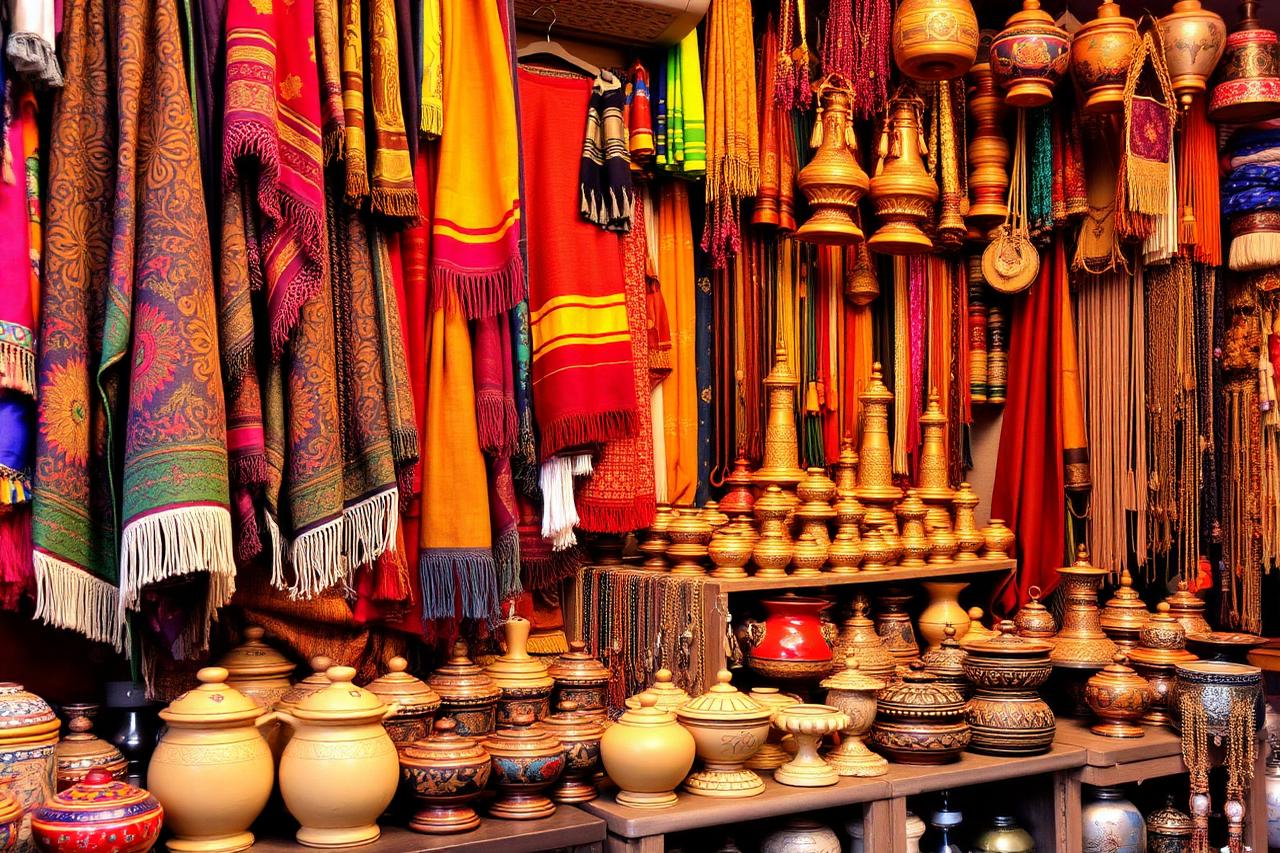
Shopping

  • Single-estate Nilgiri tea
  • Eucalyptus and lemongrass oil
  • Homemade chocolate
  • Woollens and shawls

Local food

What to eat in Ooty

  • Nilgiri tea

    Light, brisk high-grown tea; estate shops sell orthodox and CTC grades far better than packaged supermarket tea.

  • Ooty varkey

    A flaky, layered biscuit sold at bakeries around Charing Cross.

  • Homemade chocolate

    Ooty's best-known souvenir, sold in dozens of small shops in the bazaar.

  • Badaga cuisine

    Local hill community food including udhaka (millet dishes) and simple vegetable curries, available at a few homestays.

  • Kongunadu and Chettinad meals

    Tamil regional cooking is easy to find in town, with strong vegetarian and non-vegetarian thalis.

  • Hot soups and momos

    Widely sold along the bazaar and lake road; welcome on cold evenings.

  • Vegetarian food is easy to find everywhere; several restaurants in town are fully vegetarian.
  • A meal for two typically costs ₹400–₹900 at local restaurants; hotel dining runs higher.
  • Buy chocolate and homemade sweets from shops with high turnover, especially in warm months.

Shopping

What to bring home

  • Nilgiri tea

    Estate and factory outlets around Coonoor sell single-estate grades with proper packaging.

  • Homemade chocolate

    Plain, nutty and fruit varieties; keep it cool in transit.

  • Eucalyptus and lemongrass oil

    Distilled locally and widely sold; buy sealed bottles from established shops.

  • Woollens and shawls

    Practical purchases if you underestimated the cold.

  • Honey and homemade preserves

    Nilgiri honey, plum and gooseberry preserves from local producers.

Travel tips

Good to know before visiting Ooty

  • Book toy train tickets, especially the Mettupalayam service, several weeks ahead for April to June travel.
  • Visit viewpoints as early as possible — mist commonly closes in by mid-morning, particularly in monsoon.
  • Traffic in the town centre is heavy during the summer holidays; stay within walking distance of what you plan to see.
  • Nights are cold from November to February; check whether your hotel provides heating or extra blankets.
  • The Mysore road passes through Bandipur and Mudumalai and is closed to traffic at night for wildlife protection — plan drives accordingly.
  • Carry rain protection even outside monsoon; Nilgiri weather changes quickly.
  • Avalanche and other protected areas require forest department permission and have limited daily entry.
  • The ghat roads have sharp hairpins; travellers prone to motion sickness should sit in front and travel light on breakfast.
  • Card and UPI work in most town establishments but keep cash for park entries, buses and small shops.
  • Watch for leeches on forest trails during and after monsoon; wear closed shoes and long socks.
  • Buy tea from estate outlets rather than roadside stalls if you want a specific grade.
  • Do not feed or approach wildlife on the Mudumalai and Masinagudi stretch; keep windows up around monkeys and elephants.

Before you go

  • Some forest areas including Avalanche and parts of Mukurthi require forest department permits with limited daily entry.
  • The Bandipur–Mudumalai highway section is closed to vehicles at night, typically from 9 pm to 6 am.
  • The Nilgiri Mountain Railway runs a limited daily service and can be suspended after landslides or heavy rain.
  • Plastic-use restrictions apply across the Nilgiris; carry a reusable bottle and take waste back with you.
  • Trekking inside reserve forests requires authorised guides; independent trekking in restricted zones is not permitted.
  • Monsoon landslides occasionally affect the ghat roads — check road status in July and August.
  • Photography restrictions apply in some garden and wildlife areas; obey posted signage.
  • General health note only: for cold weather, asthma or other conditions, consult a qualified medical professional before travelling.

Packing guide

All year

  • · Layered clothing including a fleece
  • · Comfortable walking shoes
  • · Sunscreen — high-altitude sun is strong
  • · Reusable water bottle
  • · Photo ID
  • · Basic first-aid kit

Monsoon (Jul–Sep)

  • · Rain jacket or umbrella
  • · Waterproof footwear
  • · Long socks for leech protection
  • · Quick-dry clothing

Winter (Dec–Feb)

  • · Warm jacket and thermals
  • · Woollen cap and gloves
  • · Moisturiser and lip balm

Photography

Where to shoot in Ooty

Spots worth planning around, and the light that works best at each.

Doddabetta Peak

Layered ridges of the Nilgiri plateau stretching to the horizon.

Early morning is generally preferred, before cloud builds.

Nilgiri Mountain Railway curves near Ketti

The blue train against tea slopes and viaducts.

Mid-morning, timed to the uphill service.

Ketti Valley viewpoint

A broad valley of villages and tea between Ooty and Coonoor.

Late morning.

Dolphin's Nose, Coonoor

A sheer drop into the Catherine falls valley.

Soon after sunrise, before mist.

Tea estate roads around Coonoor

Contoured green rows with pluckers at work.

Morning, when picking is under way.

Government Botanical Garden terraces

Formal planting, glasshouse detail and old trees.

Just after opening.

Pykara Falls

Water dropping through rock and shola forest.

Post-monsoon, October to December.

Ooty in pictures

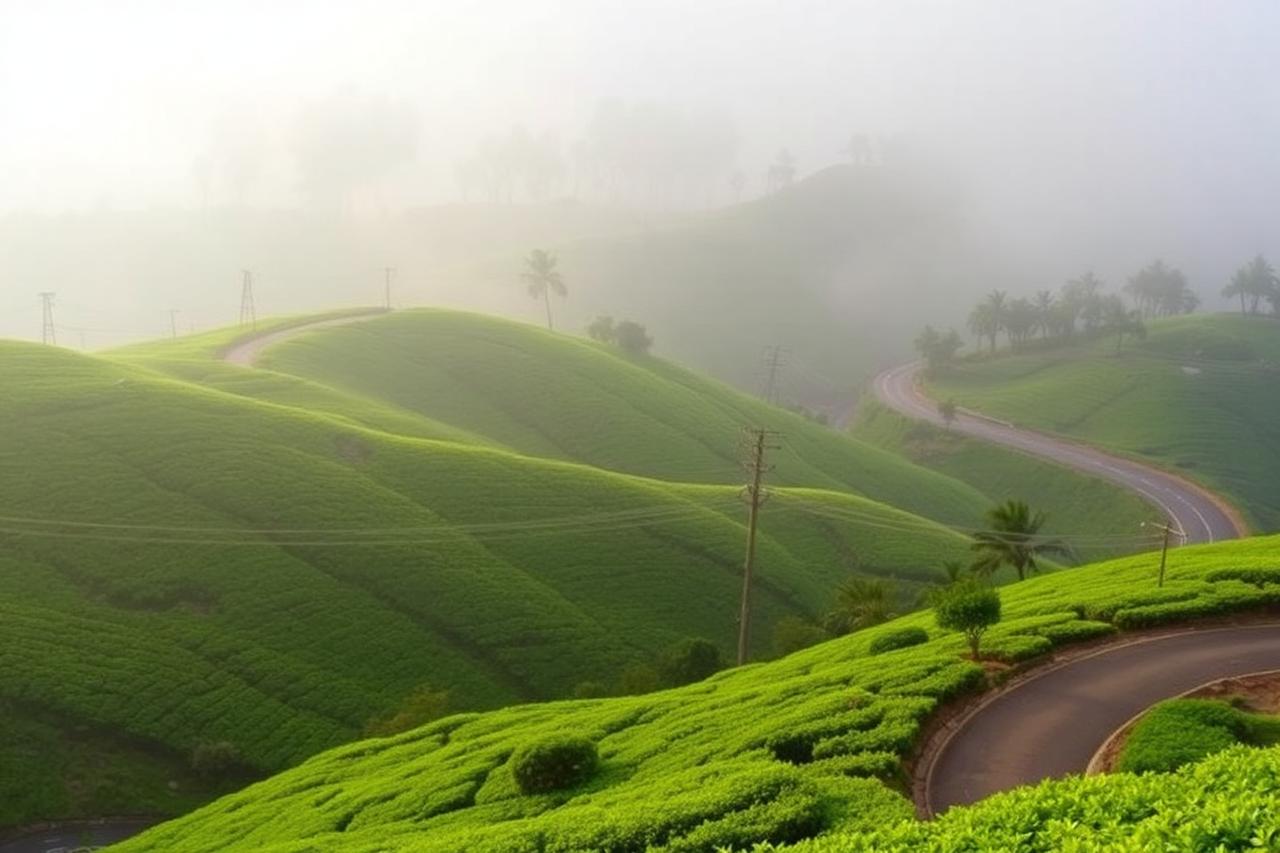
Rolling green tea plantations on misty hills in the Nilgiris around Ooty
Nilgiri tea slopes
A blue narrow-gauge mountain train passing tea gardens in the Nilgiri hills
The Nilgiri Mountain Railway
High ridges and open grassland of the Nilgiri plateau near Doddabetta
Doddabetta and the high plateau
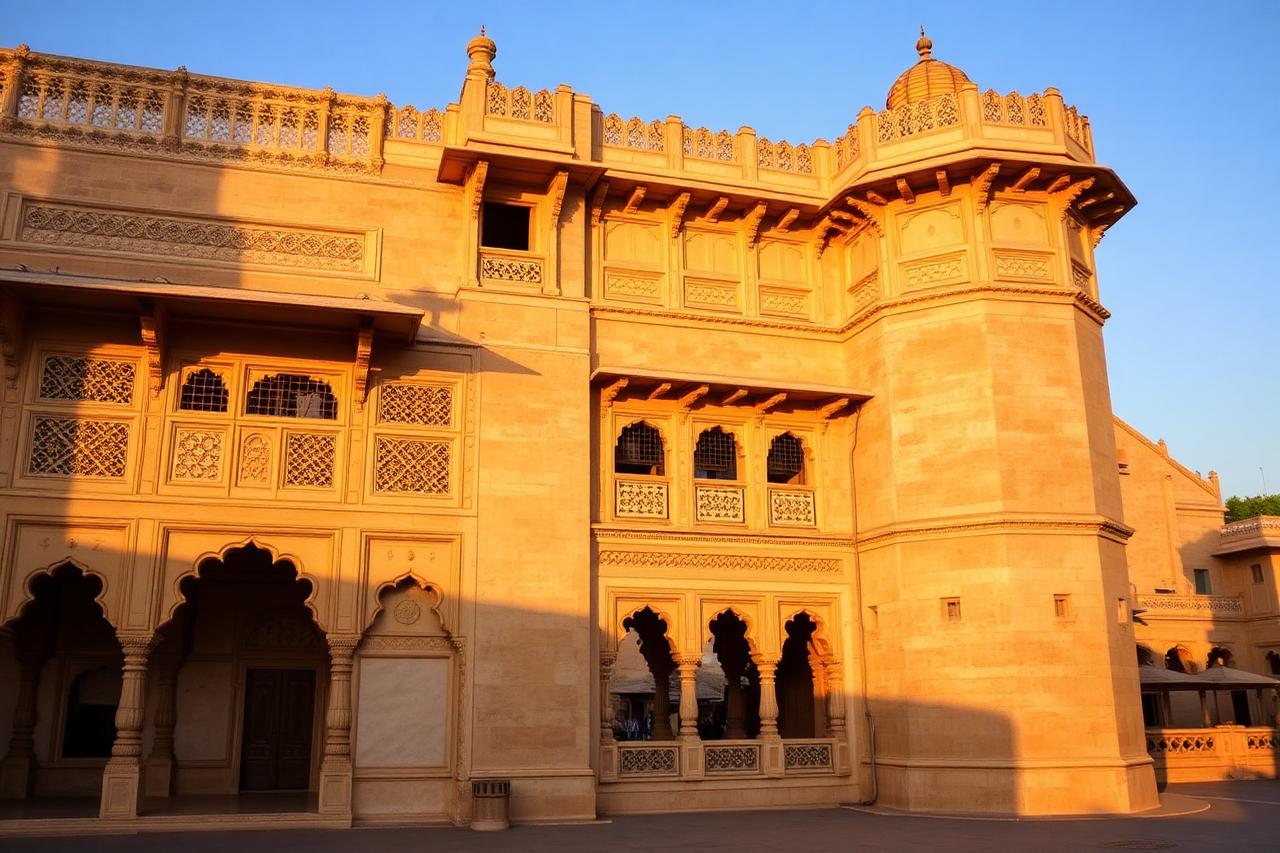
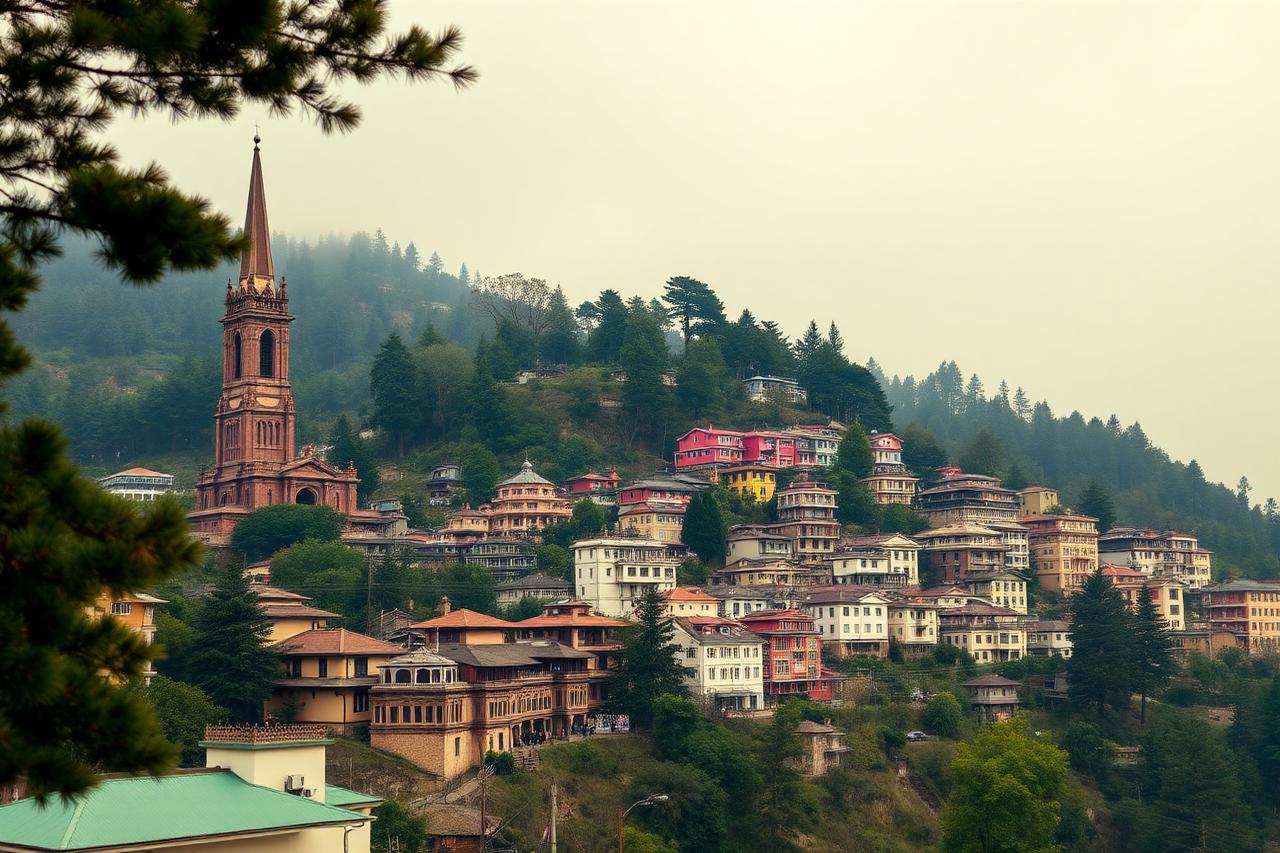
Colonial-era stone architecture of the kind found in Ooty's churches and clubs
Colonial-era Ooty
Wildlife in forest below the Nilgiri plateau near Mudumalai
Mudumalai wildlife
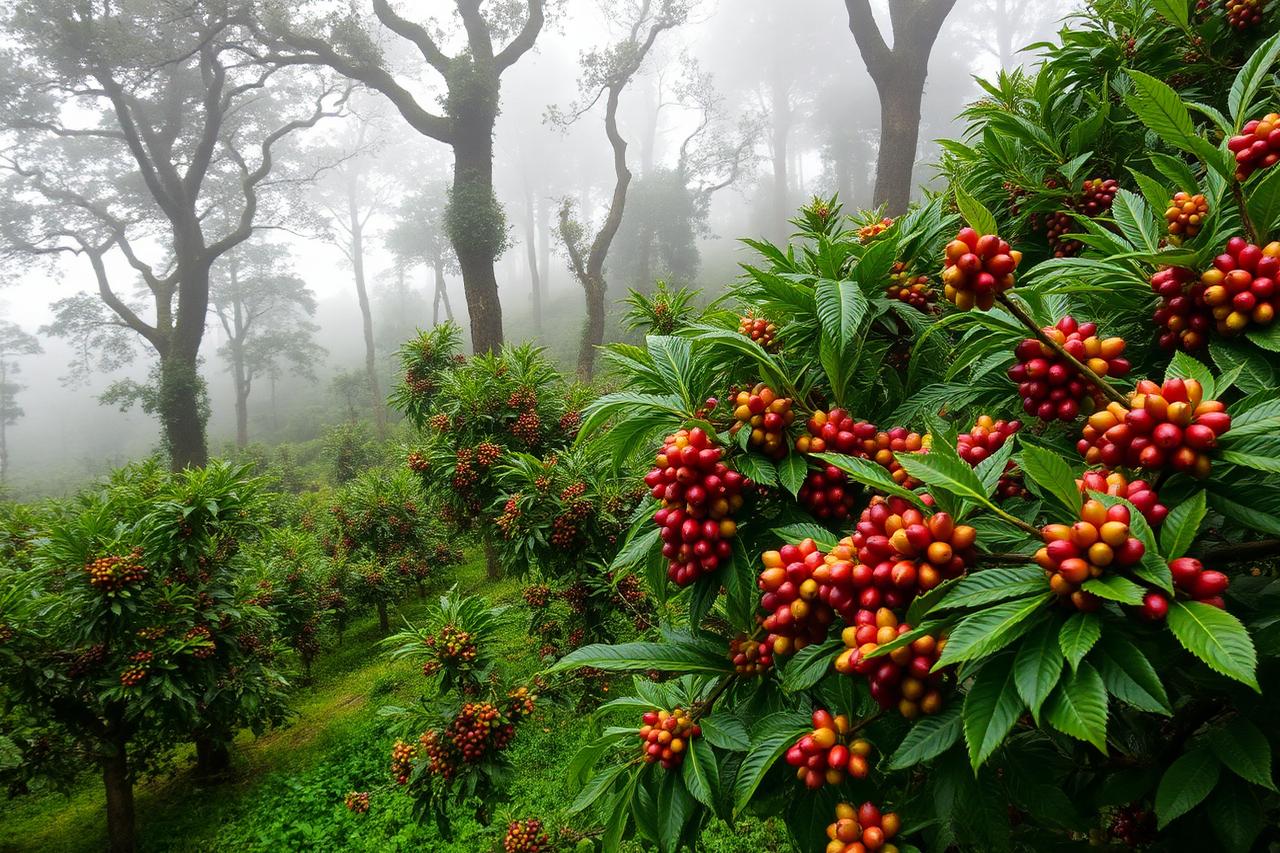
Plantation crops growing under shade trees in the hills near Ooty and Coonoor
Plantation country
South Indian food served at a hill-station restaurant in Ooty
Local meals
A hillside cottage stay with a garden of the kind found around Ooty
Cottages and bungalows
Tea, oils and handicrafts on sale at an Ooty market stall
Tea and oil shops
A traveller photographing a misty valley viewpoint in the Nilgiris
Viewpoints above the valley

Nearby

Places to combine with Ooty

Coorg

Coffee country across the Karnataka border, about 5–6 hours by road.

Mysore

Palace city on the plains, the usual gateway from the Bengaluru side.

Kodaikanal

The other major Tamil Nadu hill station, often paired with Ooty.

Wayanad

Kerala's hill district just down the ghat, good for a greener extension.

Munnar

Kerala's tea hills, a natural comparison for travellers doing a South India circuit.