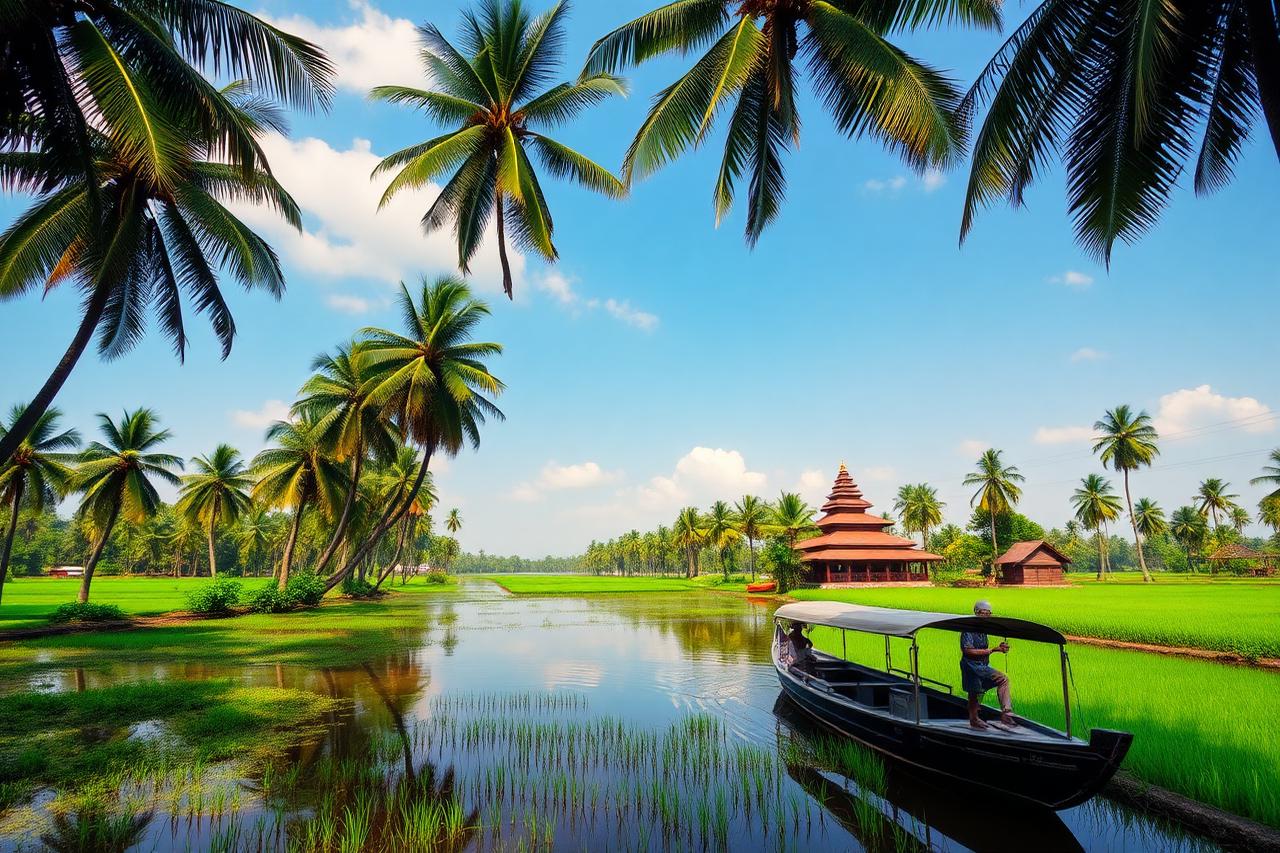
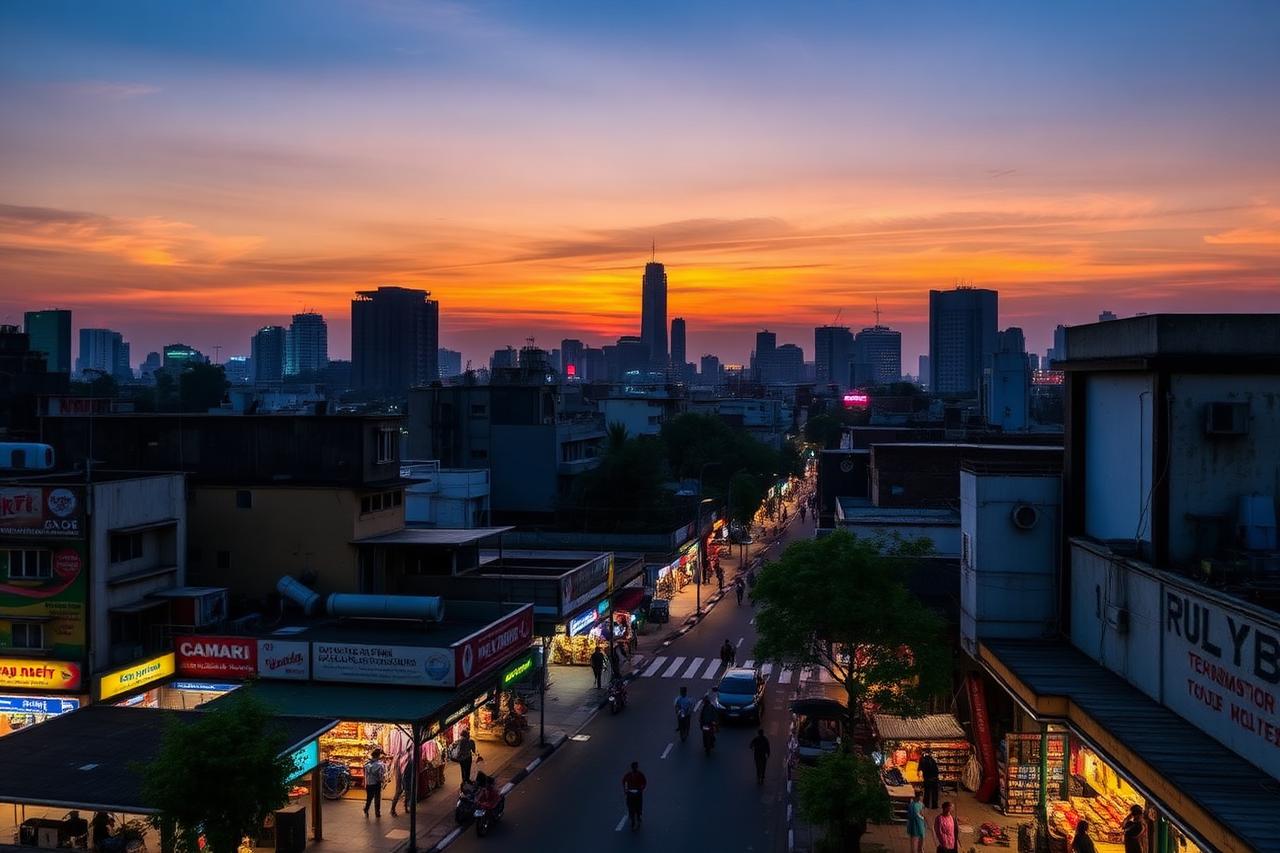
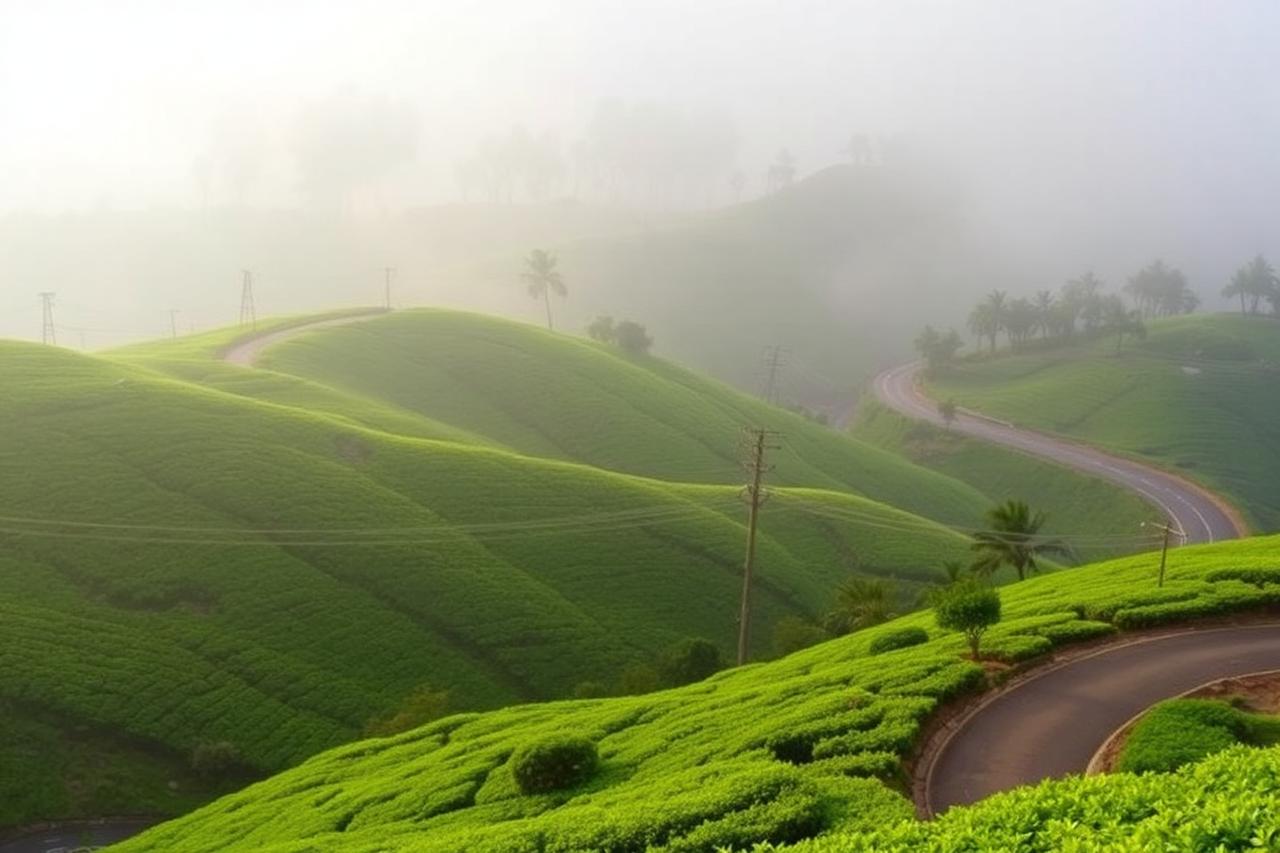
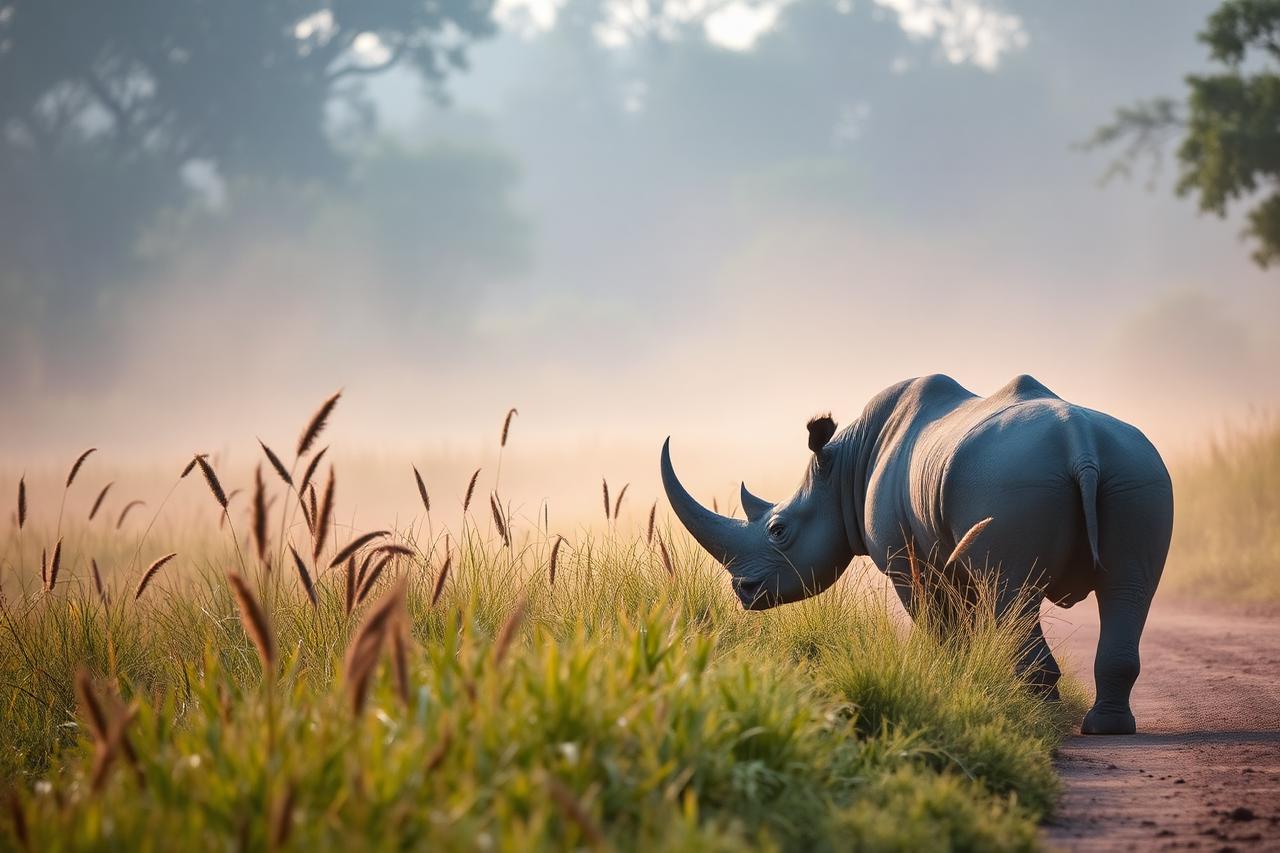
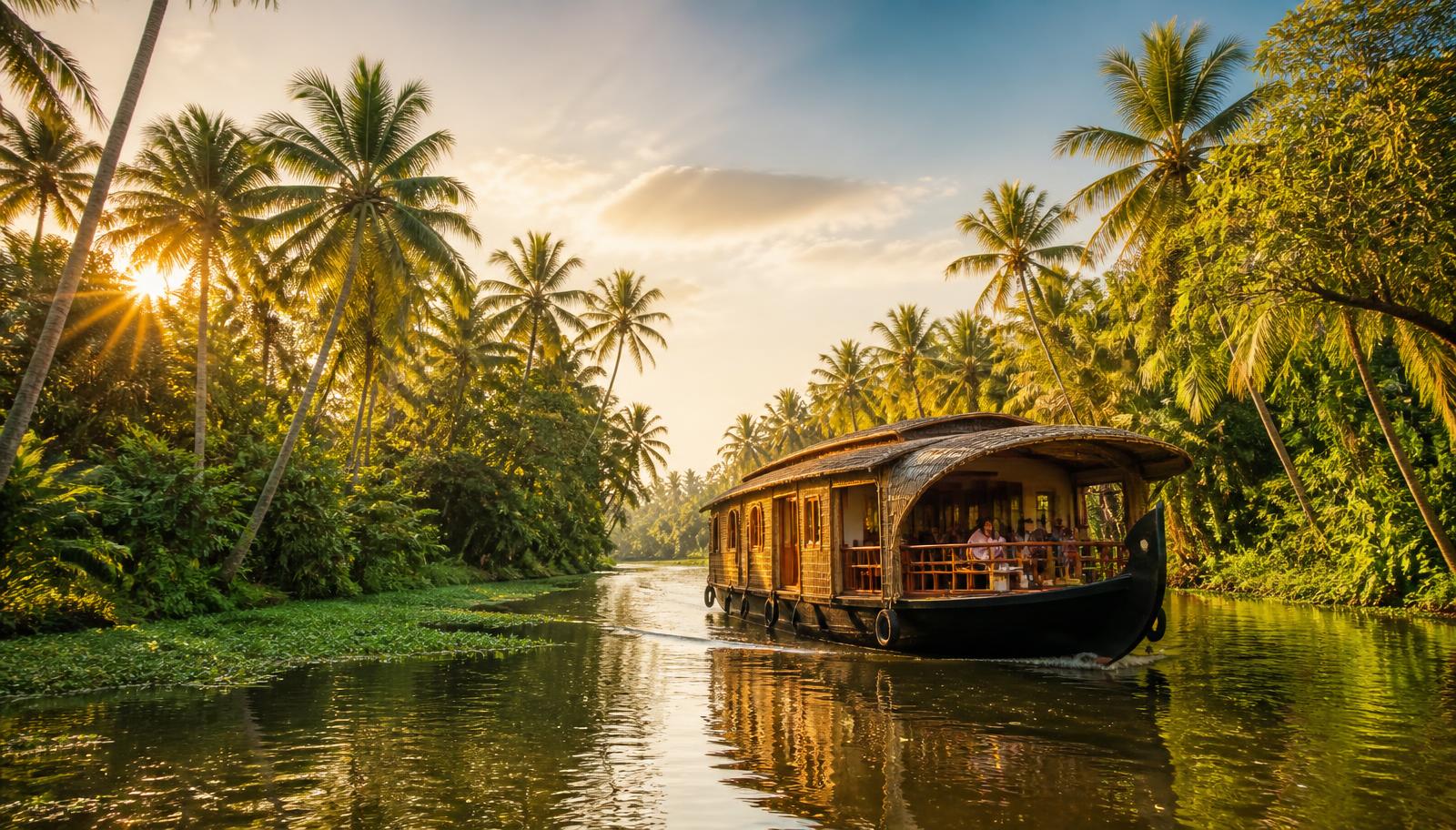
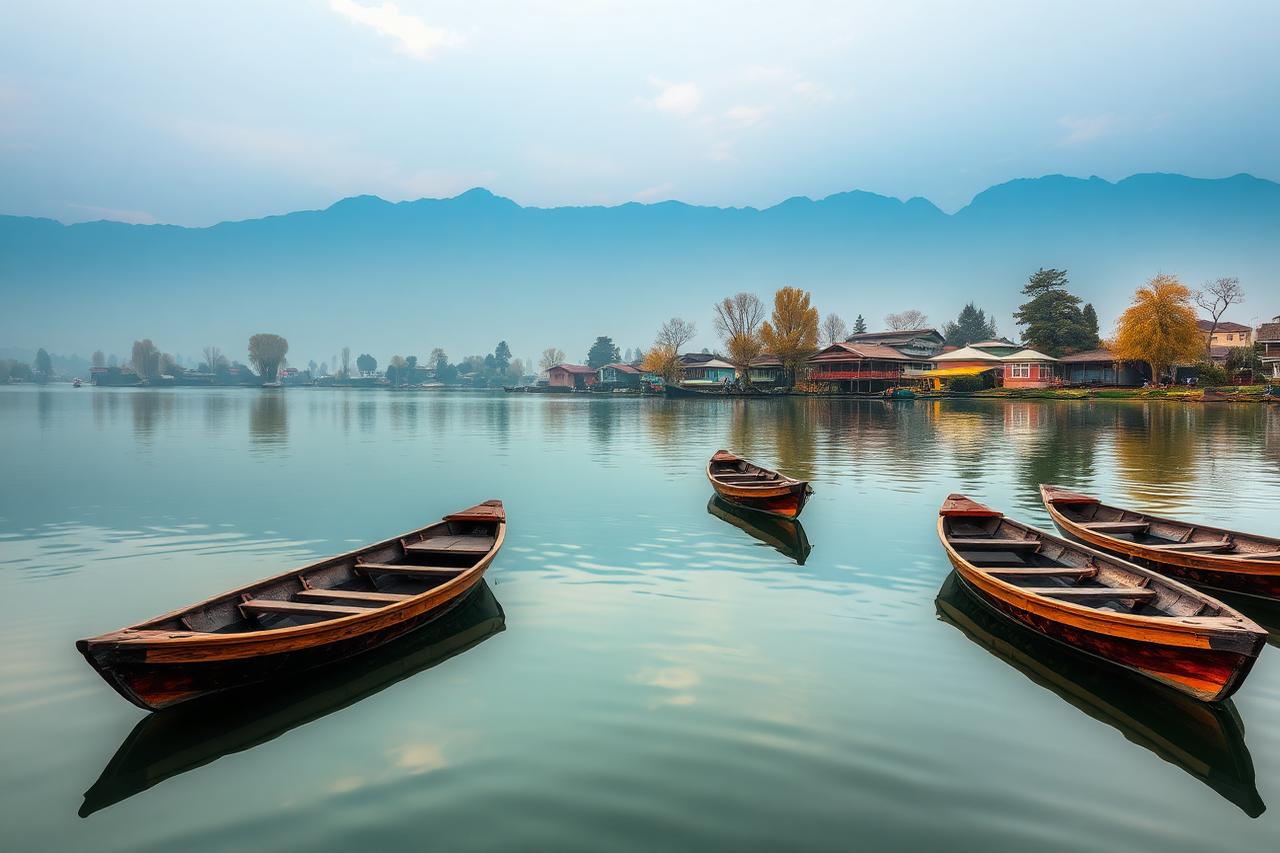
Kerala is best treated as a region rather than a single stop. A standard trip strings together three or four contrasting zones — the coastal city of Kochi, the tea hills of Munnar, the wildlife and spice country around Thekkady, and the backwaters at Alleppey or Kumarakom — each two to four hours from the next.
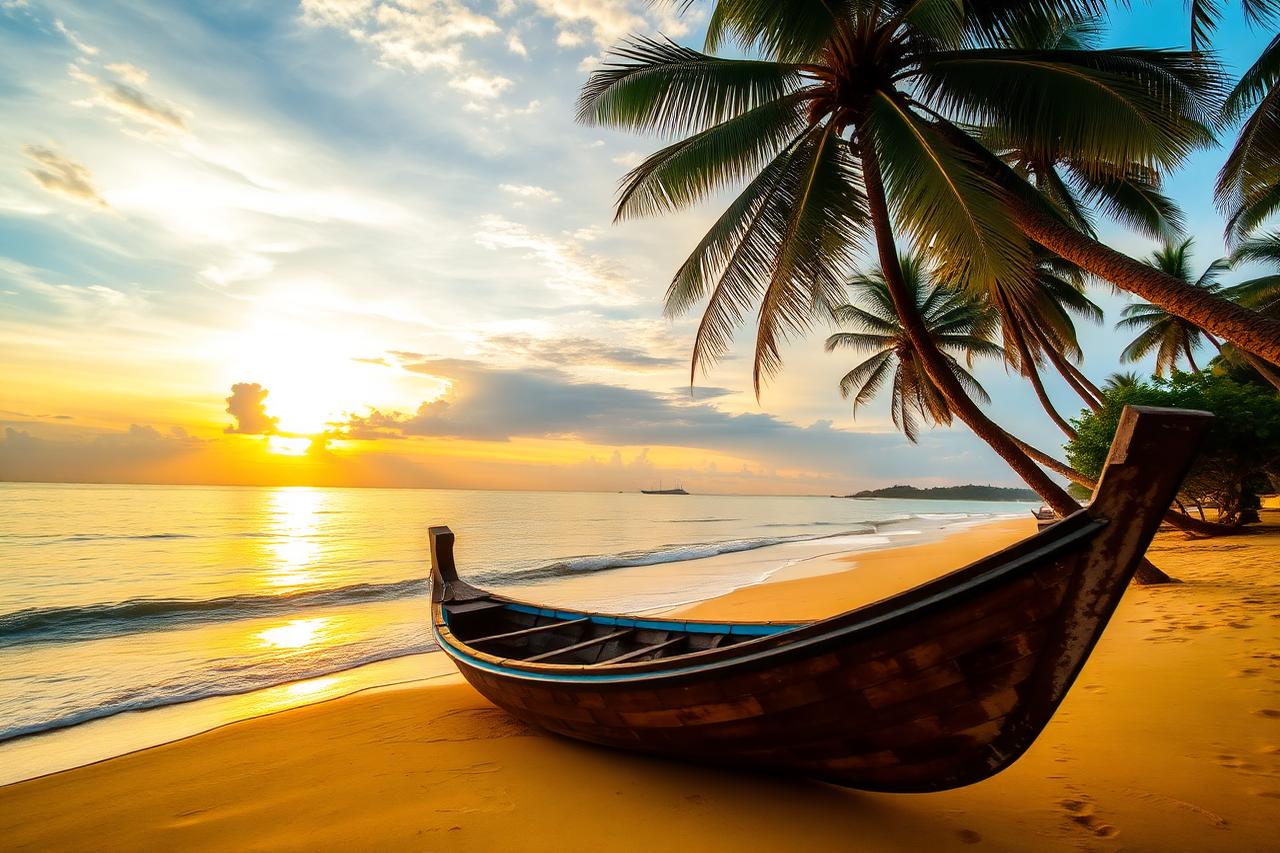
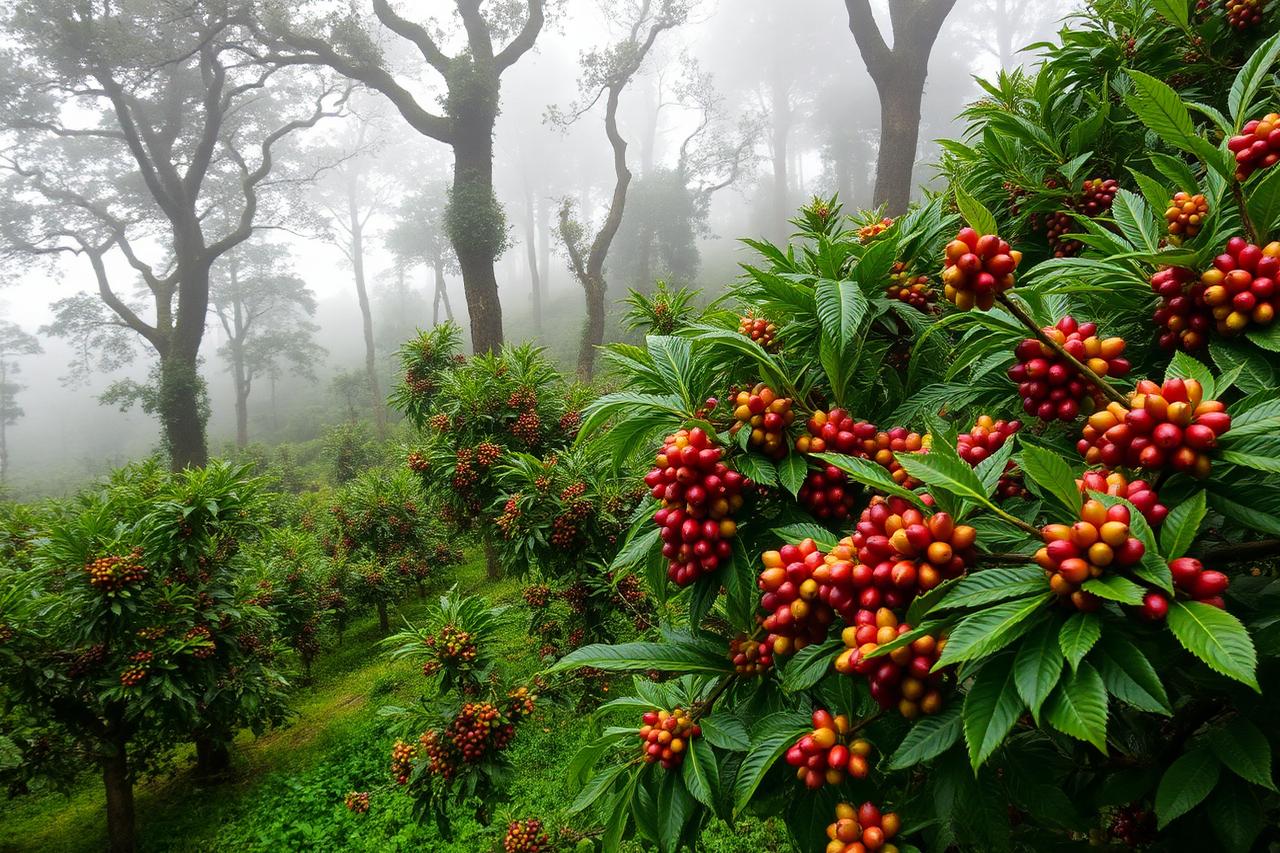
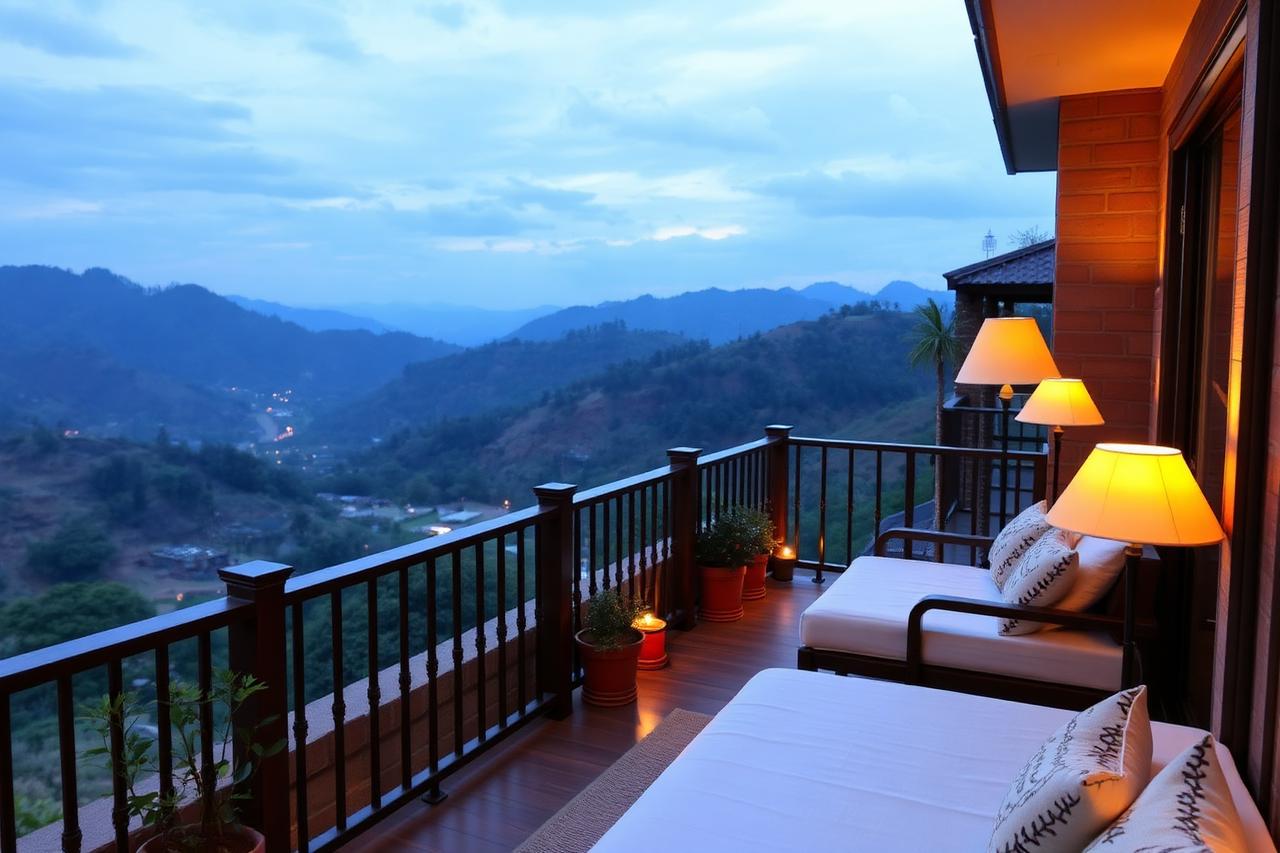
Geography explains the variety. The Arabian Sea gives Kerala 590 km of coastline and a network of lagoons and canals behind it; the Western Ghats rise to over 2,000 m along the eastern edge, holding tea, cardamom and rainforest. Between the two sits a dense green belt of paddy, coconut and rubber where most people live.
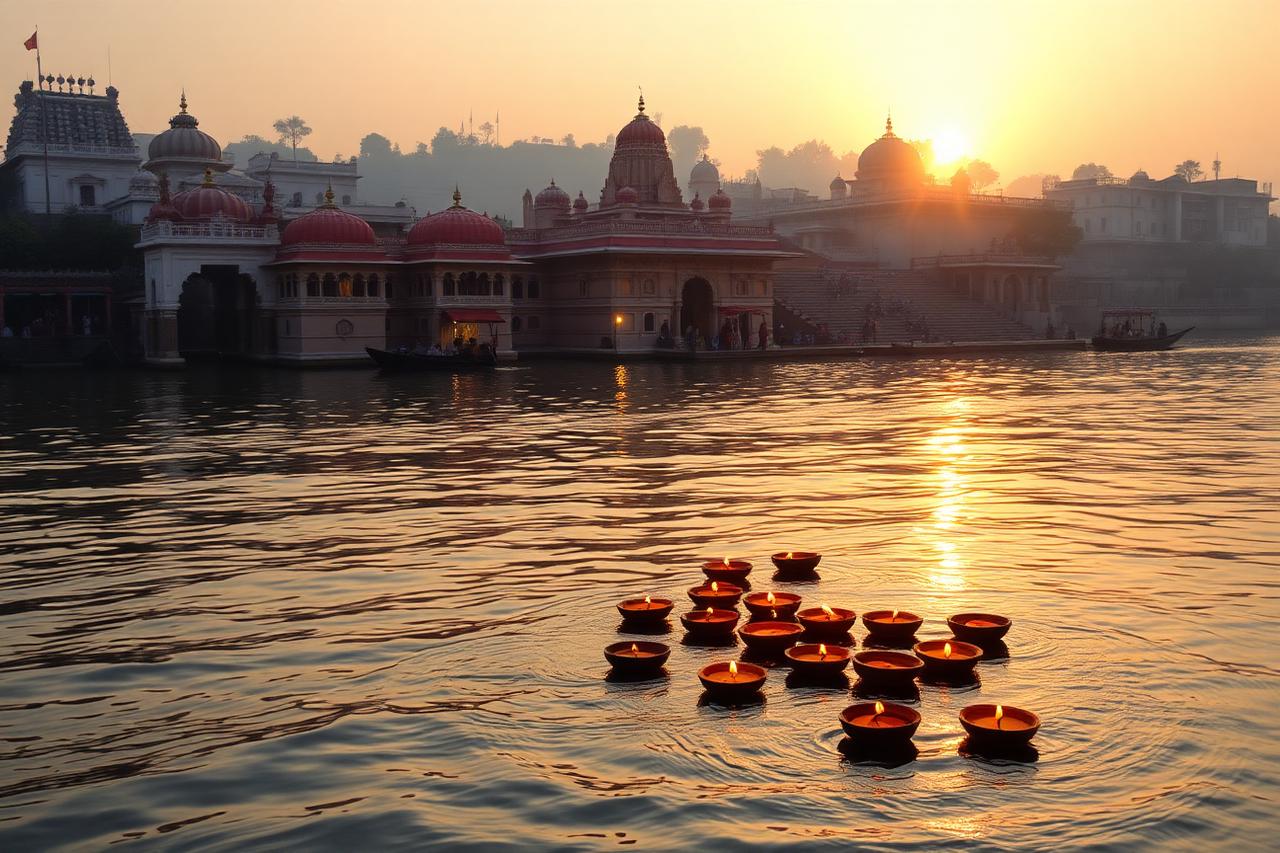
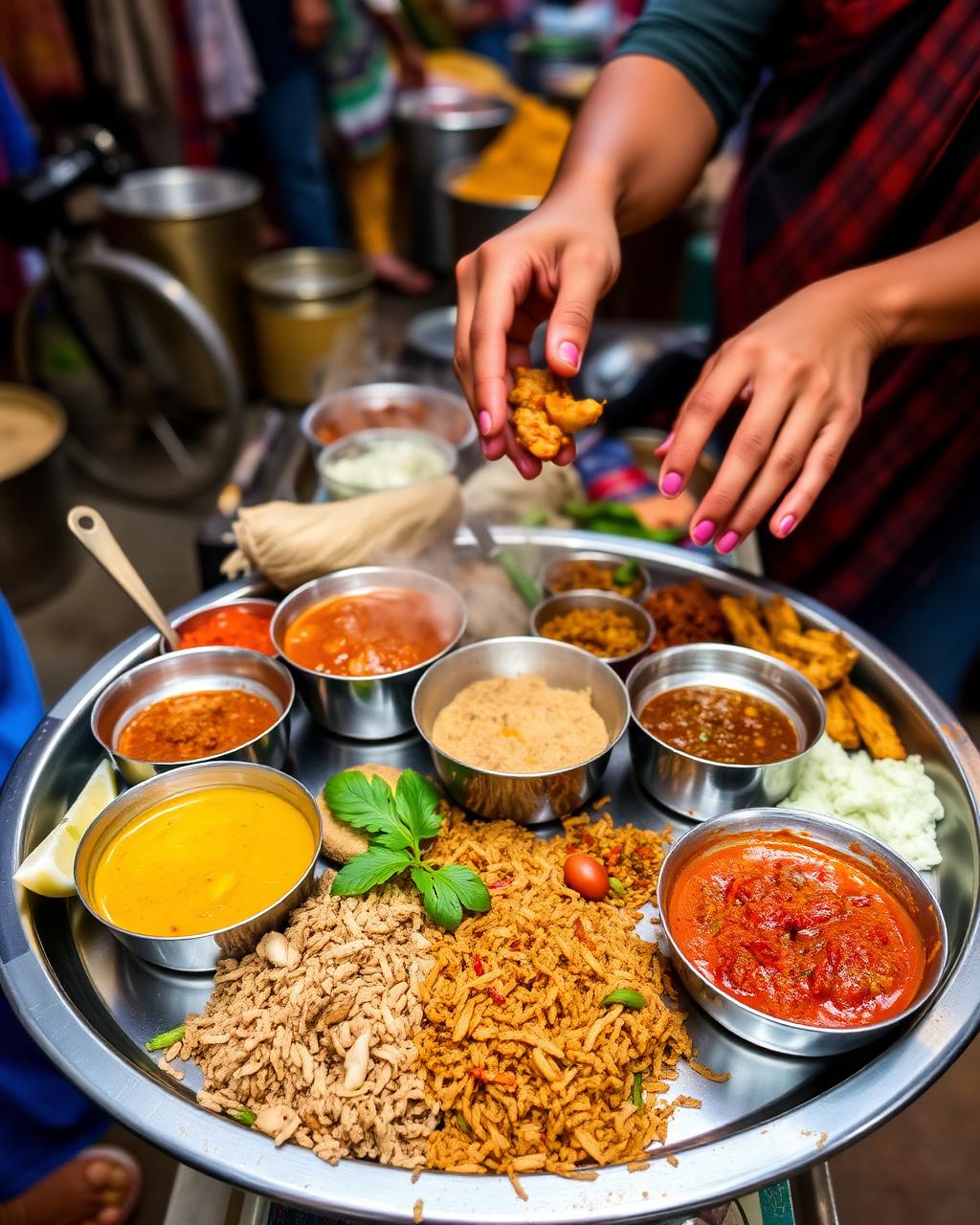
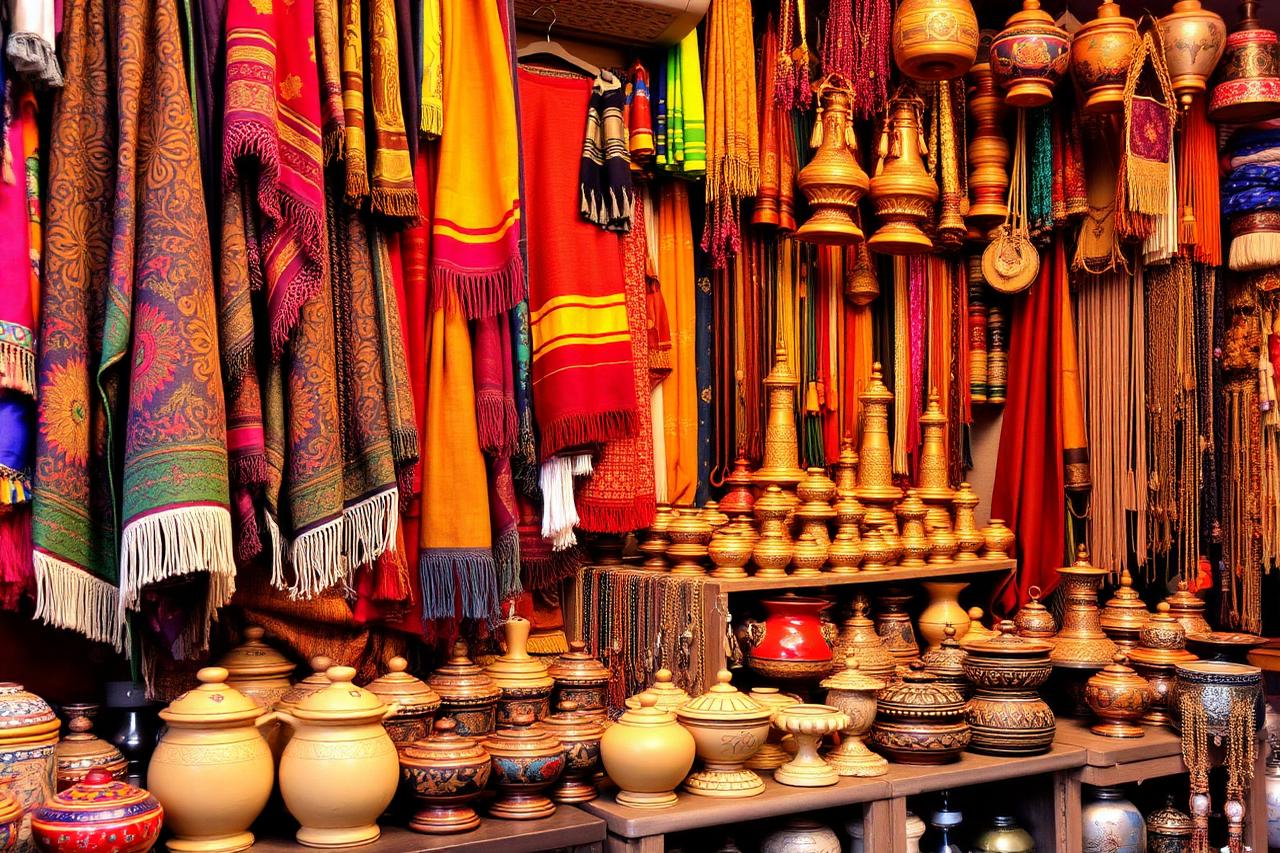
Culture is a big part of the appeal: Kathakali and Theyyam performance traditions, Kalaripayattu martial arts, Chinese fishing nets and a Jewish quarter in Kochi, temple festivals with caparisoned elephants, and a food culture built on coconut, curry leaf, tamarind and seafood. Ayurveda is genuinely rooted here rather than imported, with treatment centres ranging from clinical to resort-style.
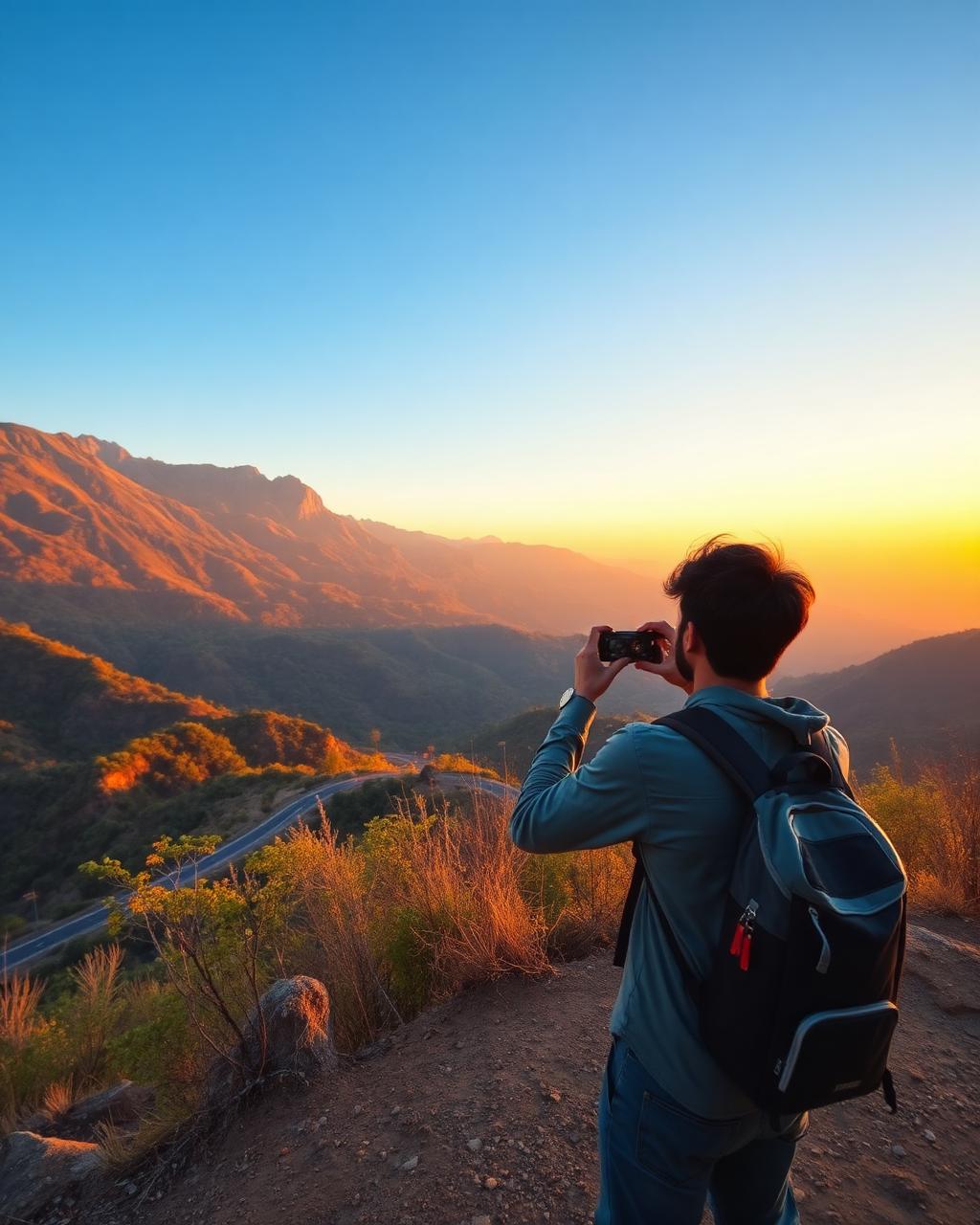
Kerala suits couples, families, older travellers and anyone who prefers scenery and slow days to a packed sightseeing list. It rewards a week more than a long weekend, because the value lies in the drives between places as much as the places themselves.