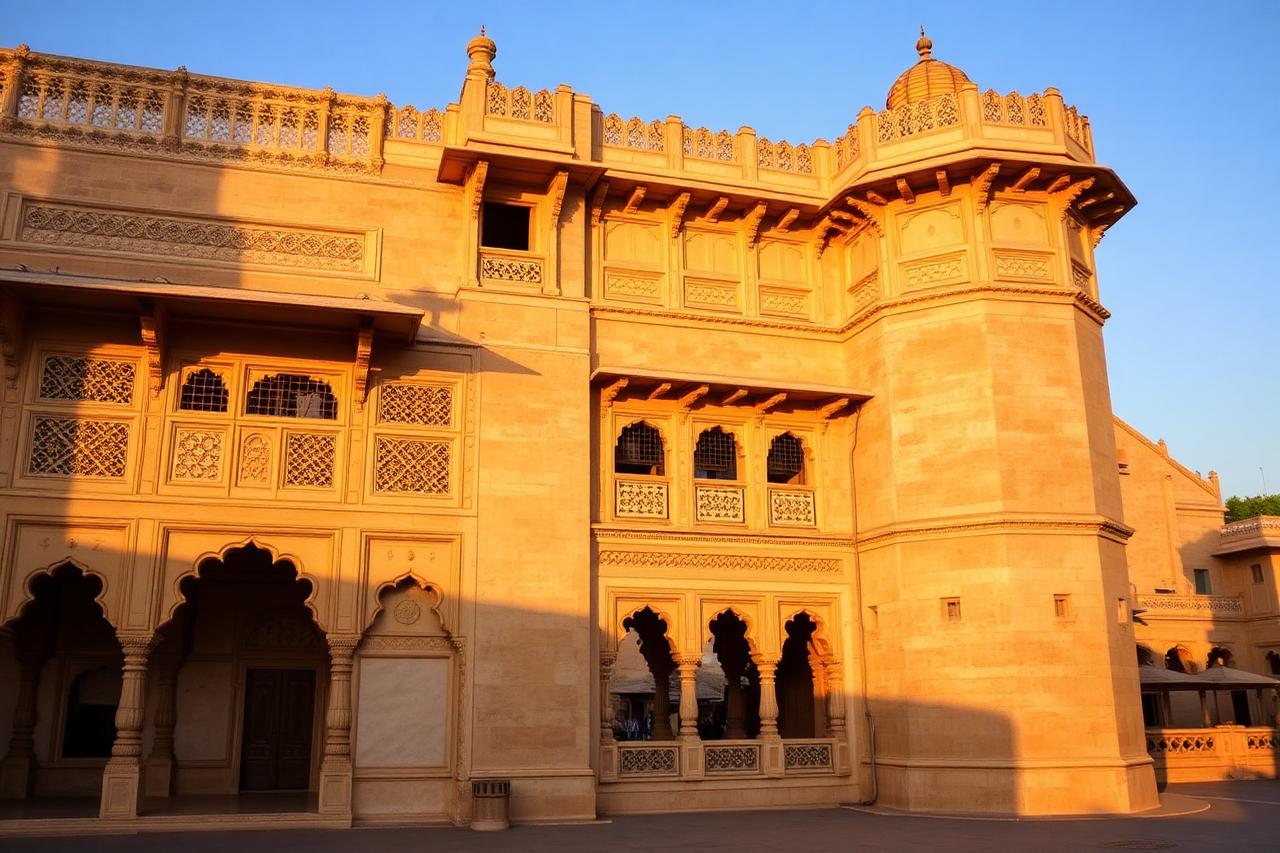
Jaipur, Rajasthan — Ornate sandstone palace architecture in Rajasthan glowing at golden hour

Jaipur

The Pink City of forts and bazaars.

State
Rajasthan
Recommended duration
4 Days / 3 Nights
Best months
October – March
Estimated package price
₹14,000 onwards

About the destination

Why travellers visit Jaipur

Rajasthan works best as a circuit rather than a single stop. Jaipur, Jodhpur, Udaipur, Jaisalmer and Pushkar each grew from a different princely state, and their forts, palace styles, cuisines and even wall colours differ noticeably. Trying to see the state from one base means spending most of the trip in a car.

The geography shifts as you move west. Jaipur and Pushkar sit in the Aravalli foothills with rocky hills and lakes; Udaipur is the greenest, built around a chain of artificial lakes; Jodhpur marks the edge of the arid zone with its blue old city beneath Mehrangarh; and Jaisalmer sits in the Thar desert proper, all yellow sandstone and dunes.

What makes the state unusual is how much of its architecture is still in daily use. Havelis have become hotels and museums, stepwells still anchor neighbourhoods, and the old walled cities remain working bazaars for textiles, jewellery, blue pottery and leatherwork. Craft is not a souvenir industry here so much as a continuing economy.

Rajasthan suits heritage travellers, photographers, families and anyone interested in craft and food. It is demanding between April and June, when daytime temperatures routinely exceed 40°C and sightseeing has to be squeezed into mornings and evenings.
HeritageCultureDesertFamilyPhotography

Places to visit

Top attractions in and around Jaipur

What each place is, why it is worth your time, how long to allow and when to go.

Amber Fort, Jaipur, Jaipur

Amber Fort, Jaipur

A hilltop fort-palace of red sandstone and marble above Maota lake, with mirrored halls and layered courtyards.

Why visit: The most impressive single monument in the Jaipur region, best entered on foot up the ramp at opening time.

Suggested duration
2–3 hours
Best time
Right at opening, around 8 am
Distance
About 11 km from Jaipur city
City Palace and Jantar Mantar, Jaipur, Jaipur

City Palace and Jantar Mantar, Jaipur

The working royal palace complex and an 18th-century astronomical observatory of giant masonry instruments.

Why visit: Together they explain how Jaipur was planned — a designed city, not an organic one.

Suggested duration
3 hours for both
Best time
Morning
Distance
Central Jaipur
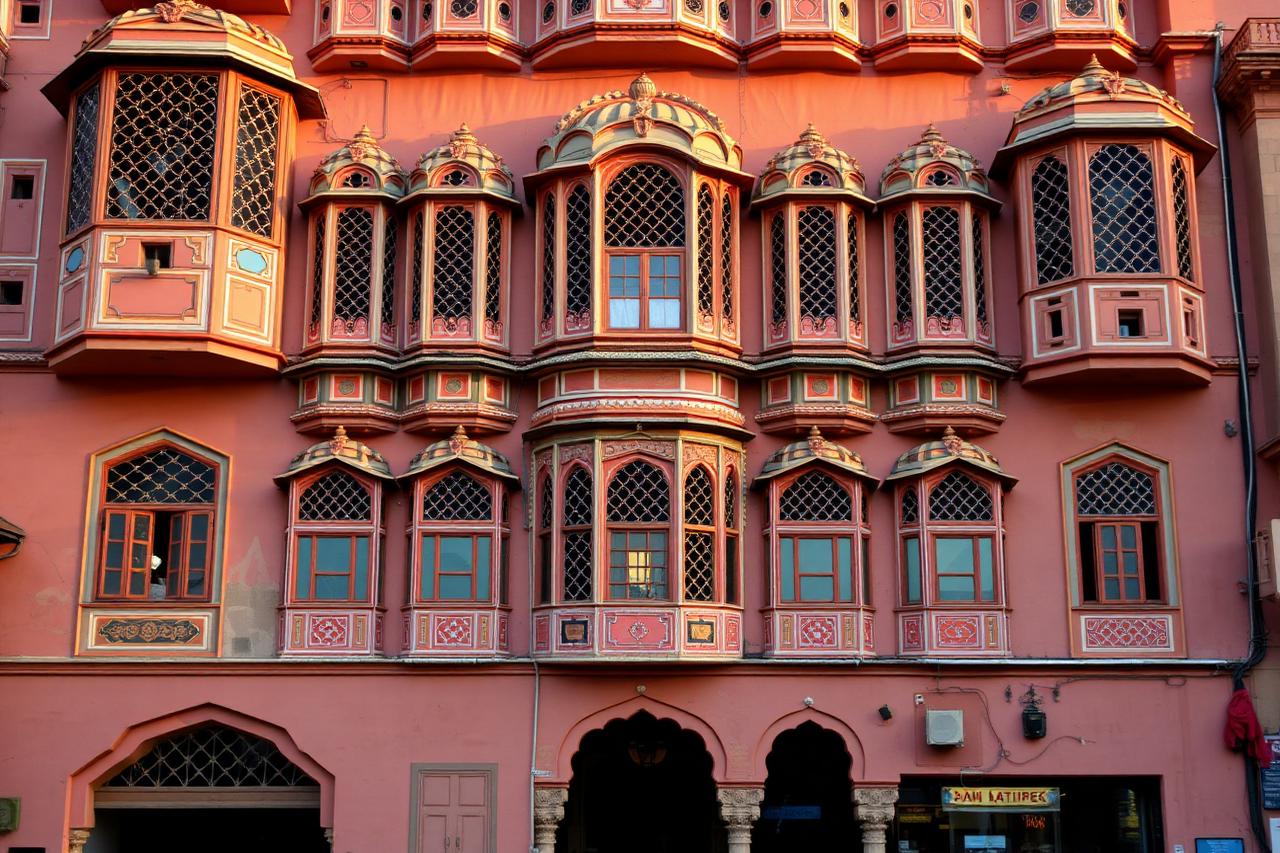
Hawa Mahal, Jaipur

Hawa Mahal

The five-storey pink sandstone screen of 953 windows built for royal women to watch street processions.

Why visit: Jaipur's signature facade; the best photographs are from across the street early in the morning.

Suggested duration
1 hour
Best time
Sunrise for the east-facing light
Distance
Central Jaipur
Mehrangarh Fort, Jodhpur, Jaipur

Mehrangarh Fort, Jodhpur

A vast fort on a 120 m rock escarpment above the blue city, with well-curated galleries and ramparts.

Why visit: The best-presented fort museum in the state, and the view over the blue houses is unmatched.

Suggested duration
3–4 hours
Best time
Morning or late afternoon
Distance
Central Jodhpur
Jodhpur blue city and Toorji ka Jhalra, Jaipur

Jodhpur blue city and Toorji ka Jhalra

The Brahmpuri lanes below the fort, and a restored 18th-century stepwell that has become a social hub.

Why visit: The most atmospheric old-city walking in Rajasthan, especially in the early morning.

Suggested duration
2–3 hours
Best time
Early morning
Distance
Old Jodhpur
City Palace and Lake Pichola, Udaipur, Jaipur

City Palace and Lake Pichola, Udaipur

A long lakefront palace complex with courtyards and museums, overlooking island palaces on the water.

Why visit: Udaipur's defining view, best combined with a boat ride at sunset.

Suggested duration
3–4 hours
Best time
Late afternoon
Distance
Central Udaipur
Jaisalmer Fort and havelis, Jaipur

Jaisalmer Fort and havelis

A living fort of yellow sandstone with residents inside, plus the carved Patwon ki Haveli in the town below.

Why visit: One of the very few inhabited forts anywhere, and the stone carving here is exceptional.

Suggested duration
Half day
Best time
Morning and again at sunset
Distance
Central Jaisalmer
Sam and Khuri sand dunes, Jaipur

Sam and Khuri sand dunes

Desert dune areas outside Jaisalmer used for camel rides, jeep safaris and overnight camps.

Why visit: The most accessible Thar desert experience, particularly for a night under open sky.

Suggested duration
Evening to next morning
Best time
October – March
Distance
About 40 km from Jaisalmer
Pushkar lake and Brahma Temple, Jaipur

Pushkar lake and Brahma Temple

A pilgrimage town around a small sacred lake with 52 bathing ghats and one of the few Brahma temples in India.

Why visit: A compact, walkable religious town with a very different atmosphere from the fort cities.

Suggested duration
1 day
Best time
Early morning; the camel fair usually falls in November
Distance
About 145 km from Jaipur
Ranakpur Jain Temple, Jaipur

Ranakpur Jain Temple

A 15th-century marble temple with 1,444 individually carved pillars, set in the Aravalli hills.

Why visit: The finest stone carving in the state, and a natural stop between Jodhpur and Udaipur.

Suggested duration
1–2 hours
Best time
Midday, when visitor entry is permitted
Distance
About 90 km from Udaipur
Chittorgarh Fort, Jaipur

Chittorgarh Fort

One of India's largest forts, spread across a 280-hectare plateau with towers, palaces and reservoirs.

Why visit: Scale and history rather than polish — best explored slowly by car within the fort walls.

Suggested duration
Half day
Best time
Morning
Distance
About 115 km from Udaipur
Bundi and Abhaneri stepwells, Jaipur

Bundi and Abhaneri stepwells

Chand Baori at Abhaneri and Raniji ki Baori at Bundi — deep geometric stepwells built for water storage.

Why visit: Extraordinary architecture that most circuits skip; worth a detour for photographers.

Suggested duration
1–2 hours each
Best time
Morning
Distance
Abhaneri is about 95 km from Jaipur

Top experiences

Signature things to experience in Jaipur

Fort and palace mornings

Enter major forts at opening time. Amber, Mehrangarh and Jaisalmer all get hot and crowded by mid-morning, and the early light is better for photography.

A desert night near Jaisalmer

Camel or jeep ride to the dunes for sunset, dinner and folk music at a camp, and clear night skies. Camps vary from basic to luxury tented setups.

Boat ride on Lake Pichola

Late-afternoon boat trips pass Jag Mandir with the City Palace behind — the best way to see Udaipur's waterfront.

Old-city bazaar walks

Johari and Bapu Bazaar in Jaipur for jewellery and textiles, Sardar Market in Jodhpur for spices, and Jaisalmer's fort lanes for embroidery.

Block printing and blue pottery workshops

Sanganer and Bagru near Jaipur for hand block printing; Jaipur studios for blue pottery, where short hands-on sessions are common.

Rajasthani folk music and dance

Manganiyar and Langa musicians in the west, and kalbeliya dance performances at heritage hotels and desert camps.

Wildlife at Ranthambore

Tiger safaris in a former royal hunting reserve, easily combined with a Jaipur–Bundi leg of the circuit.

Heritage haveli stays

Many restored havelis now operate as hotels; staying in one is a straightforward way to experience the architecture from the inside.

Rajasthani thali and street food

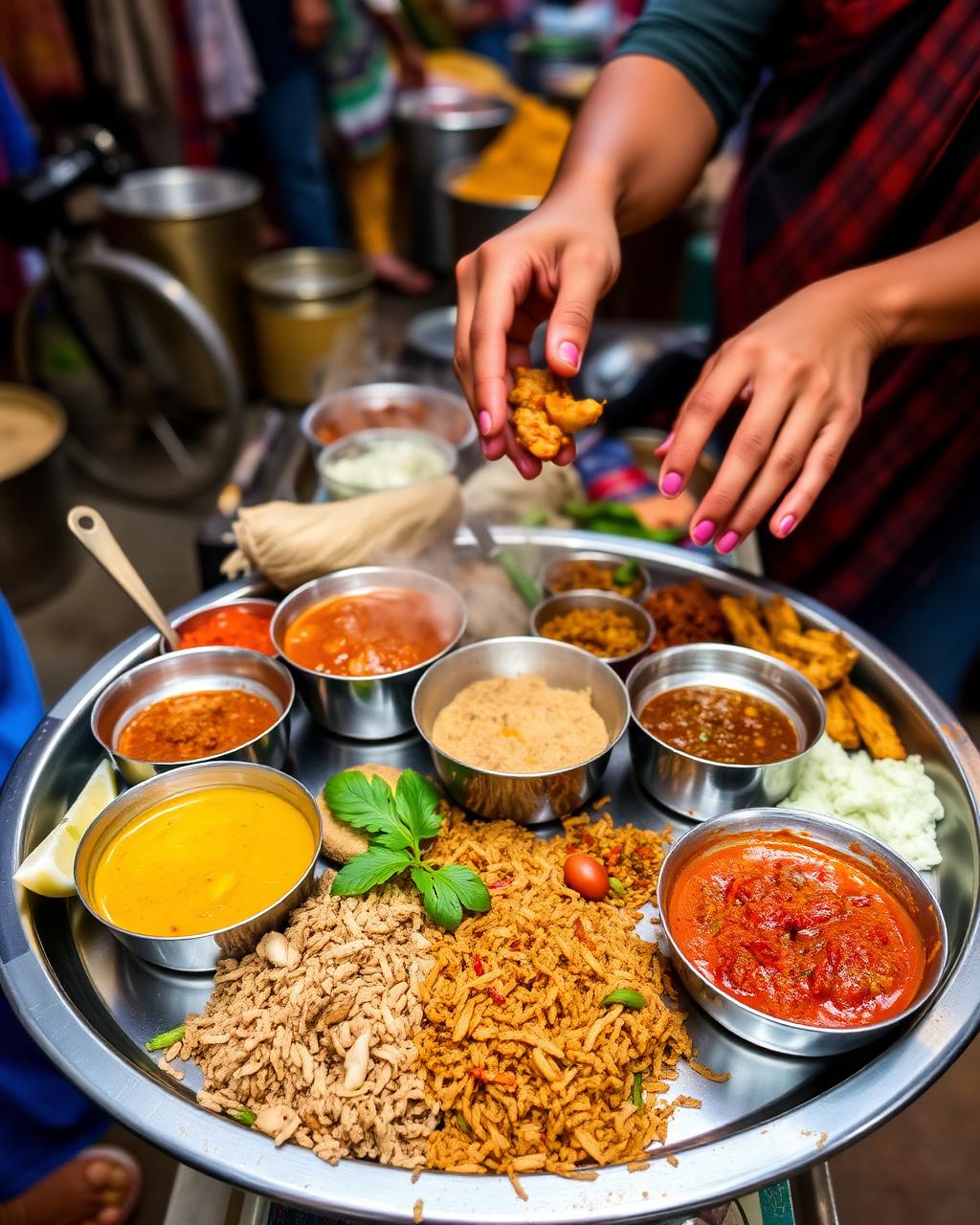
Dal baati churma at a traditional restaurant, pyaaz kachori and mirchi vada from an old-city sweet shop, and laal maas where you eat meat.

Suggested itineraries

Plans for different trip lengths

Sample plans only — days can be shortened, extended or reordered to suit your dates and pace.

4 Days / 3 Nights

Jaipur focused, with a stepwell or Ranthambore add-on.

  1. Day 1Arrival in Jaipur

    Check in, evening at Hawa Mahal from the street and dinner in the old city.

  2. Day 2Amber and the city

    Amber Fort at opening, then Jal Mahal, City Palace and Jantar Mantar in the afternoon.

  3. Day 3Crafts and bazaars

    Block printing at Sanganer or Bagru, blue pottery studio visit, and shopping in Johari Bazaar.

  4. Day 4Departure

    Nahargarh viewpoint in the morning, then depart.

Best time to visit

Jaipur through the seasons

Recommended: October – March.

Peak season

October – March

Cool, dry days of 20–28°C with cold desert nights, especially in December and January.

  • The only comfortable window for full-day sightseeing
  • Festival season including Pushkar fair and Jaipur literature events
  • Best conditions for desert camps
  • Highest hotel rates and busy monuments
  • Cold nights in the desert catch travellers unprepared
  • December fog can delay trains and flights

Shoulder season

July – September

Warm with intermittent monsoon showers; the Aravallis and lakes turn green and lake levels rise.

  • Lower rates and quieter monuments
  • Udaipur is at its most attractive with full lakes
  • Comfortable early mornings
  • Humidity in the east of the state
  • Occasional rain disruption
  • Desert camps operate at reduced capacity

Off season

April – June

Very hot and dry, frequently above 40°C in the west, with hot desert winds.

  • Lowest prices of the year
  • Very few visitors at major monuments
  • Easy availability of hotels and trains
  • Sightseeing is only viable early morning and evening
  • Desert activities are uncomfortable or suspended
  • Heat exposure is a genuine risk

Weather through the year

  • Winter (Nov–Feb)

    Pleasant days, cold nights

  • Summer (Apr–Jun)

    Very hot and dry

  • Monsoon (Jul–Sep)

    Warm with scattered rain

  • Post-monsoon (Oct)

    Warm, clear, comfortable

Getting there & around

How to reach Jaipur

Main arrival routes and the transport options once you are there.

By Air

Jaipur (JAI), Udaipur (UDR), Jodhpur (JDH) and Jaisalmer (JSA)

All within 5–20 km of their city centres

Jaipur has the widest network; Udaipur and Jodhpur are well connected to metros; Jaisalmer's flights are limited and partly seasonal.

Onward: Prepaid taxis and app cabs from all four airports.

By Rail

Jaipur Junction, Jodhpur Junction, Udaipur City and Jaisalmer

Central in each city

Rajasthan has excellent rail links, including overnight trains between the main cities — the Jodhpur–Jaisalmer and Delhi–Jaipur routes are especially useful.

Onward: Autos and taxis at every station; book sleeper and AC classes well ahead in season.

By Road

NH48 and NH11 across the state

Delhi–Jaipur about 280 km; Jaipur–Jodhpur about 335 km; Jodhpur–Jaisalmer about 285 km

Highways are good and the desert stretches are fast, but daily driving on the full circuit can run 5–7 hours between cities.

Onward: State and private buses connect all cities; most travellers hire a car with driver for the circuit.

Local transport options

  • Car with driver

    The most practical way to run a multi-city circuit; rates typically include fuel with a kilometre cap.

    Approx. ₹3,000–₹5,000 per day

  • Auto rickshaw

    Standard for short city trips; agree the fare in advance in tourist areas.

    Approx. ₹50–₹400

  • App cabs

    Reliable in Jaipur, Jodhpur and Udaipur; limited in Jaisalmer and Pushkar.

    Approx. ₹100–₹600 per trip

  • Cycle rickshaw

    Useful within old-city lanes where cars cannot go.

    Approx. ₹30–₹150

  • Camel or jeep safari

    Priced by duration and camp package near Jaisalmer; confirm what dinner and accommodation include.

    Approx. ₹1,000–₹3,500 per person

  • Intercity train

    Often faster and cheaper than driving between the main cities.

    Approx. ₹300–₹1,800 per person

Distances, timings and fares are approximate and vary with season, operator and road conditions.

Accommodation

Where travellers usually stay

Typical stay categories in Jaipur and which areas suit which kind of trip.

Budget

Approx. ₹1,200–₹2,500 per night

Guesthouses and small havelis in the old-city areas, often with rooftop restaurants.

Mid-range

Approx. ₹3,500–₹7,000 per night

Restored haveli hotels and comfortable business hotels with breakfast included.

Premium

Approx. ₹12,000–₹40,000+ per night

Palace hotels, lake-facing properties and luxury desert camps.

Jaipur old city and Civil Lines

Old city puts you in the bazaars; Civil Lines and Bani Park are quieter with easier parking.

Suits: Old city for walkers and shoppers, Civil Lines for families.

Jodhpur Brahmpuri and Clock Tower

Blue-city lanes with rooftop views of Mehrangarh.

Suits: Photographers and travellers who want to walk everywhere.

Udaipur Lal Ghat and Hanuman Ghat

Lakefront guesthouses and cafes with Pichola views.

Suits: Couples and short stays.

Jaisalmer fort vs town

Inside the fort is atmospheric but adds pressure on a fragile heritage structure; the town below has larger, better-serviced hotels.

Suits: Town stays for comfort and conservation, with fort visits by day.

Sam & Khuri desert camps

Tented camps in the dunes with evening performances.

Suits: One night as part of a Jaisalmer stay, not a full base.

Pushkar lakeside

Small guesthouses around the ghats in a vegetarian, alcohol-free town.

Suits: Slow travellers and those on a spiritual circuit.

Room rates are indicative averages for a double room and change with season and property category. This website does not list, recommend or arrange specific hotels.

Estimated package costs

What the trip may cost

Indicative figures for two travellers, excluding flights unless stated.

Budget

₹22,000 – ₹30,000 per person

Guesthouses, trains between cities, autos locally and a basic desert camp night.

Standard

₹30,000 – ₹50,000 per person

Heritage haveli hotels, a car with driver for the circuit, monument entries and a comfortable desert camp.

Premium

₹75,000+ per person

Palace hotels, dedicated vehicle and guide, private boat rides and luxury tented desert stays.

Cost breakdown

  • Accommodation

    7 nights for two across heritage and mid-range hotels.

    ₹20,000 – ₹45,000

  • Transportation to Rajasthan

    Return flights or trains for two to Jaipur or Udaipur.

    ₹8,000 – ₹20,000

  • Inter-city and local transport

    Car with driver covering roughly 1,400 km of the circuit.

    ₹18,000 – ₹30,000

  • Food

    Three meals a day for two, mixing local restaurants and hotel dining.

    ₹8,000 – ₹16,000

  • Monument entries and activities

    Fort and palace tickets, camera fees, boat rides and desert safari.

    ₹5,000 – ₹10,000

  • Miscellaneous

    Guides, tips and shopping in the bazaars.

    ₹4,000 – ₹10,000

Prices are approximate estimates and vary with travel dates, hotel category, transport, group size and duration.

Best for

Who Jaipur suits

Heritage travellers

The densest concentration of forts, palaces and stepwells in India.

Photography enthusiasts

Strong colour, architectural detail and dramatic desert light.

Families

Easy logistics, engaging monuments and short activity options like elephant-free fort walks and puppet shows.

Couples

Lakeside Udaipur, heritage hotels and desert nights.

Shoppers and craft lovers

Block printing, blue pottery, jewellery, leather and textiles at their source.

Things to do

Heritage

  • Fort and palace visits
  • Stepwell photography
  • Haveli architecture walks
  • Museum galleries at Mehrangarh

Culture

  • Folk music and kalbeliya dance
  • Puppet shows
  • Temple visits at Pushkar and Ranakpur
  • Festival travel in season

Desert

  • Camel and jeep safaris
  • Dune camping
  • Sunset at Sam
  • Village visits near Khuri

Food

  • Dal baati churma
  • Laal maas
  • Old-city street food trail
  • Rajasthani thali

Shopping

  • Block-printed textiles
  • Blue pottery
  • Silver jewellery
  • Mojari leather footwear

Wildlife

  • Ranthambore tiger safari
  • Keoladeo birdwatching at Bharatpur
  • Leopard safaris near Jawai

Local food

What to eat in Jaipur

  • Dal baati churma

    Baked wheat balls with lentils and sweetened crushed wheat — the state's signature meal, usually eaten at lunch.

  • Gatte ki sabzi

    Gram-flour dumplings in a yoghurt gravy, a desert staple developed where fresh vegetables were scarce.

  • Ker sangri

    Dried desert berries and beans cooked with spices; distinctly tangy and only found in this region.

  • Laal maas

    Fiery mutton curry with Mathania red chillies, traditionally a Marwar hunting dish.

  • Pyaaz kachori and mirchi vada

    Jodhpur's best-known street snacks, eaten hot from old-city sweet shops.

  • Ghewar and malpua

    Festival sweets, especially around Teej and Gangaur in Jaipur.

  • Rajasthan has one of India's strongest vegetarian food traditions; Pushkar is entirely vegetarian and alcohol-free by local convention.
  • Street food is a highlight — try kachori, mirchi vada, mawa kachori and lassi from busy shops with high turnover.
  • A thali typically costs ₹250–₹600 per person; heritage hotel dining runs considerably higher.

Shopping

What to bring home

  • Block-printed textiles

    Bagru and Sanganer prints on cotton — buy at the printing units near Jaipur for better prices and quality.

  • Blue pottery

    Jaipur's quartz-based glazed ceramics; fragile, so ask for proper packing.

  • Jewellery

    Kundan, meenakari and silver from Johari Bazaar; buy from established shops and insist on a bill.

  • Mojari and leather goods

    Embroidered leather footwear and bags, best from Jodhpur and Jaipur markets.

  • Bandhani and leheriya

    Tie-dyed fabrics in bright colours, a Rajasthani speciality.

  • Miniature paintings and marble inlay

    Udaipur is the centre for miniature painting; marble work is common around Jaipur.

Travel tips

Good to know before visiting Jaipur

  • Treat Rajasthan as a circuit and use overnight trains between distant cities to save daytime hours.
  • Reach forts at opening time — Amber and Mehrangarh become hot and crowded within two hours.
  • Between April and June, plan sightseeing before 10 am and after 5 pm, and rest through the afternoon.
  • Desert nights in December and January get close to freezing; carry warm layers even if the days feel hot.
  • Carry a refillable water bottle and drink more than usual — the dry air dehydrates faster than the heat suggests.
  • Agree auto and camel-safari prices before starting, and confirm exactly what a camp package includes.
  • Many monuments charge separate camera or video fees; carry small change.
  • Hire licensed guides at official counters rather than accepting offers at the gate.
  • Shop at fixed-price government emporiums first to learn realistic prices before bargaining in the bazaars.
  • Book heritage hotels early for the October–February window and around the Pushkar fair.
  • Dress modestly at temples and cover your head at some shrines; footwear must be left outside.
  • Avoid elephant rides at Amber if animal welfare matters to you — the walk up the ramp takes about ten minutes.

Before you go

  • Monument timings and ticket prices are set by the state and ASI and change periodically; check the day's timings before setting out.
  • Some palaces are still private residences with restricted areas; follow posted signage.
  • Photography inside museums and certain palace galleries may be prohibited or charged separately.
  • Desert camps near Sam operate seasonally, and sandstorms can affect activities in late summer.
  • Summer heat between April and June is severe; heatstroke is a real risk during midday sightseeing.
  • Pushkar observes vegetarian and alcohol-free norms across the town; respect them.
  • During major festivals such as the Pushkar fair, accommodation fills months in advance and road access changes.
  • General health note only: keep hydration and heat exposure in mind and consult a qualified medical professional about personal health concerns before travelling in summer.

Packing guide

All year

  • · Loose cotton clothing
  • · Sunglasses, hat and high-SPF sunscreen
  • · Comfortable walking shoes for fort ramps
  • · Refillable water bottle
  • · Scarf or stole for temples and dust
  • · Photo ID

Winter (Nov–Feb)

  • · Warm jacket for desert nights
  • · Light woollens
  • · Socks and closed shoes

Summer (Apr–Jun)

  • · Light long sleeves for sun cover
  • · Electrolyte sachets
  • · Umbrella for shade
  • · Wet wipes and lip balm

Photography

Where to shoot in Jaipur

Spots worth planning around, and the light that works best at each.

Hawa Mahal from the opposite rooftop, Jaipur

The full facade with morning light on the pink sandstone.

Early morning is generally preferred, soon after sunrise.

Amber Fort from Maota lake

Fort reflected in the water with the ramp climbing the hillside.

Just after sunrise.

Mehrangarh ramparts, Jodhpur

The blue city spread out directly below the walls.

Late afternoon, when the blue deepens.

Toorji ka Jhalra stepwell

Geometric stone steps with people using the well.

Early morning, before crowds.

Lake Pichola from a boat, Udaipur

The City Palace and island palaces from water level.

The hour before sunset.

Jaisalmer Fort from Gadisar lake or a rooftop

Golden sandstone catching low light above the town.

Sunset or the first hour after sunrise.

Sam dunes

Clean ridge lines, long shadows and camel silhouettes.

Late afternoon into dusk.

Chand Baori, Abhaneri

A repeating geometric pattern of 3,500 steps.

Mid-morning, when light reaches into the well.

Jaipur in pictures

Ornate Rajasthani sandstone palace architecture glowing in golden hour light
Fort and palace architecture
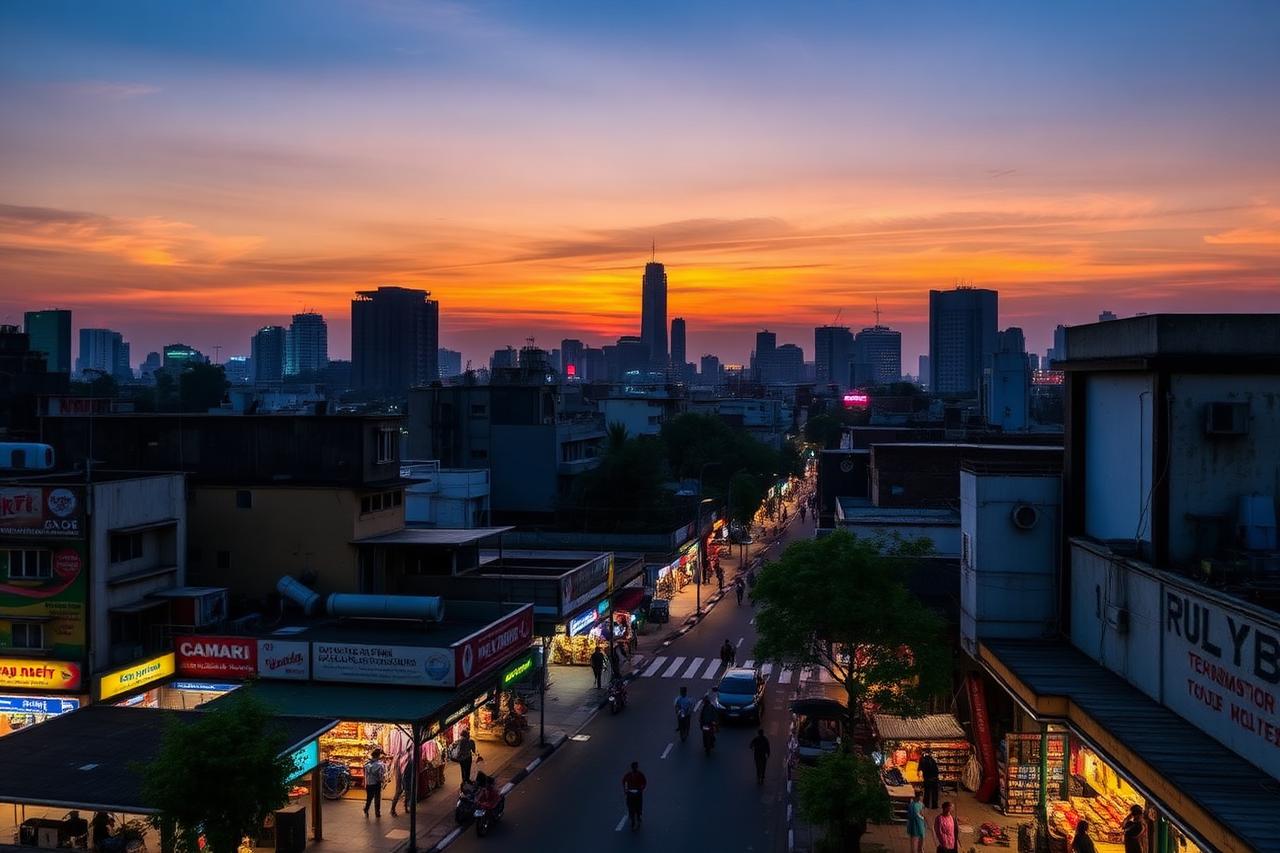
A Rajasthani city skyline at dusk above a lit street market
Old city evenings
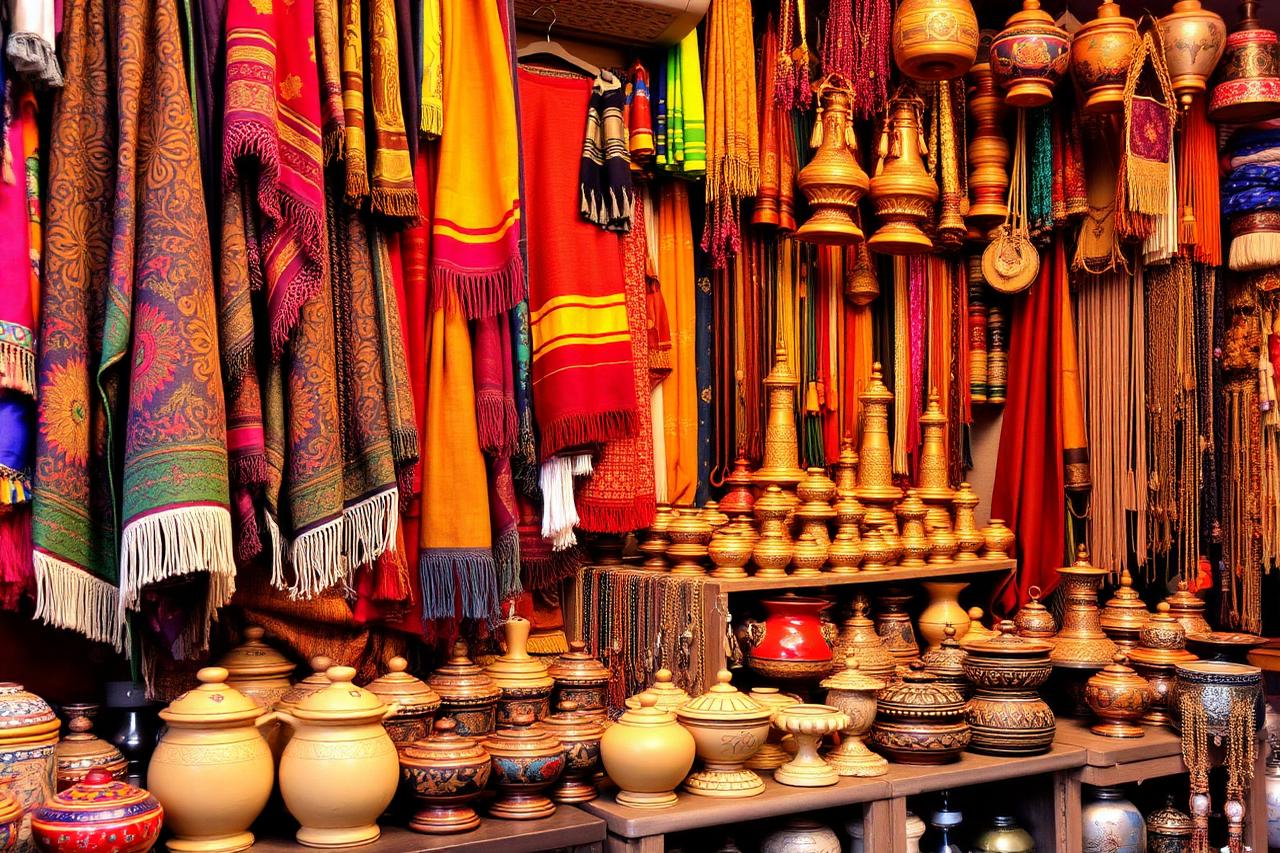
Rajasthani textiles, pottery and jewellery displayed at a bazaar stall
Bazaars and craft
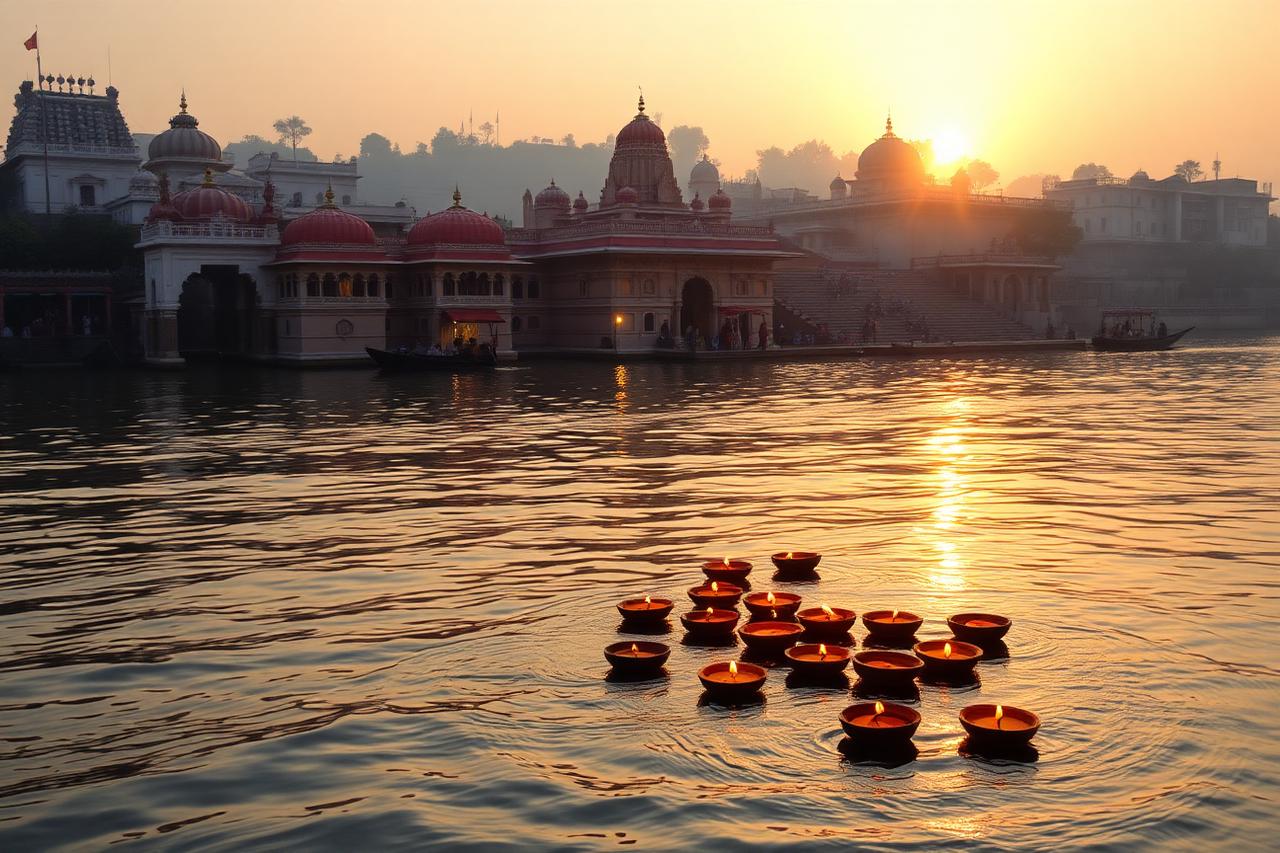
Temple ghats beside a sacred lake at sunrise, similar to Pushkar
Pushkar's ghats
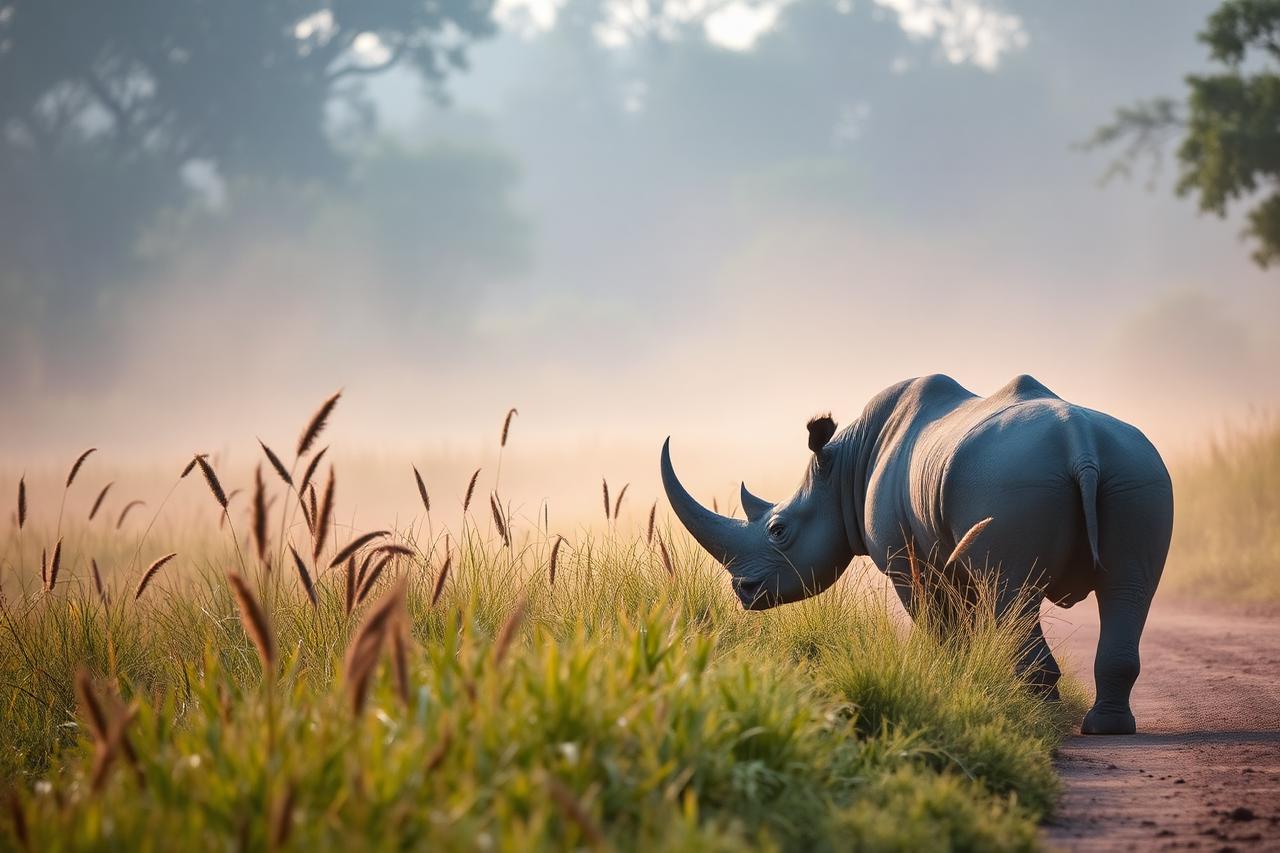
Wildlife in dry scrub forest of the kind found at Ranthambore in Rajasthan
Ranthambore wildlife
A Rajasthani thali with breads, lentils and curries
Rajasthani thali
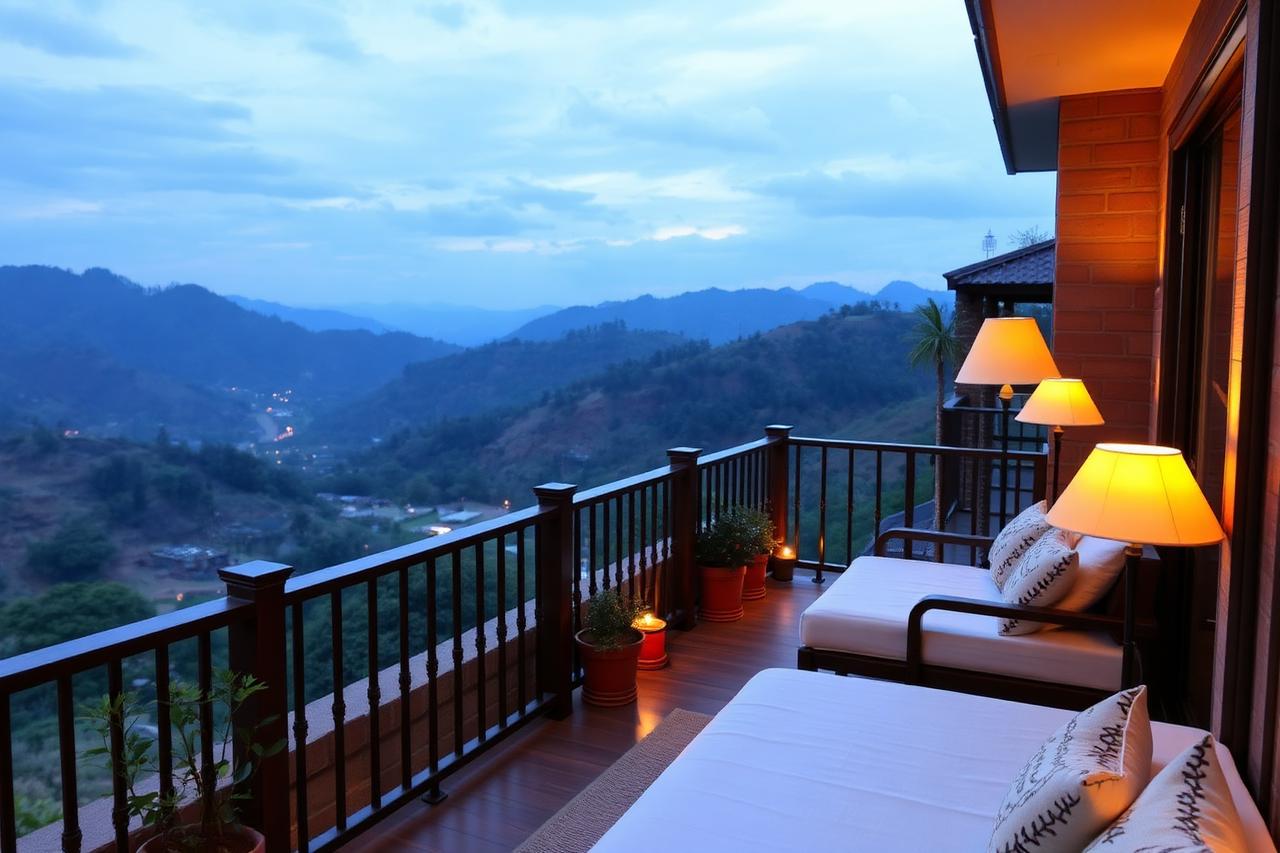
A heritage-style room with carved details of the kind found in Rajasthani haveli hotels
Haveli stays
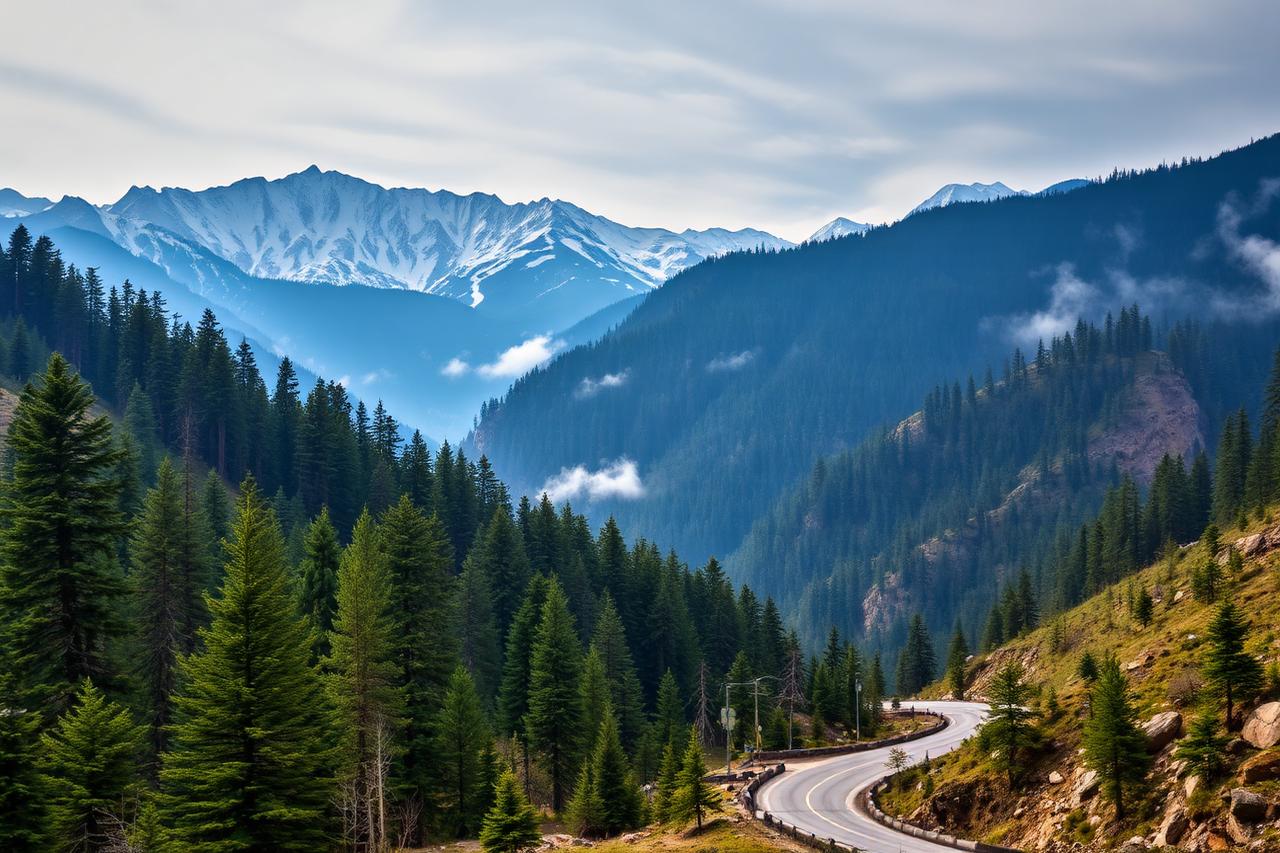
The rocky Aravalli hills rising behind a Rajasthani town
The Aravalli hills
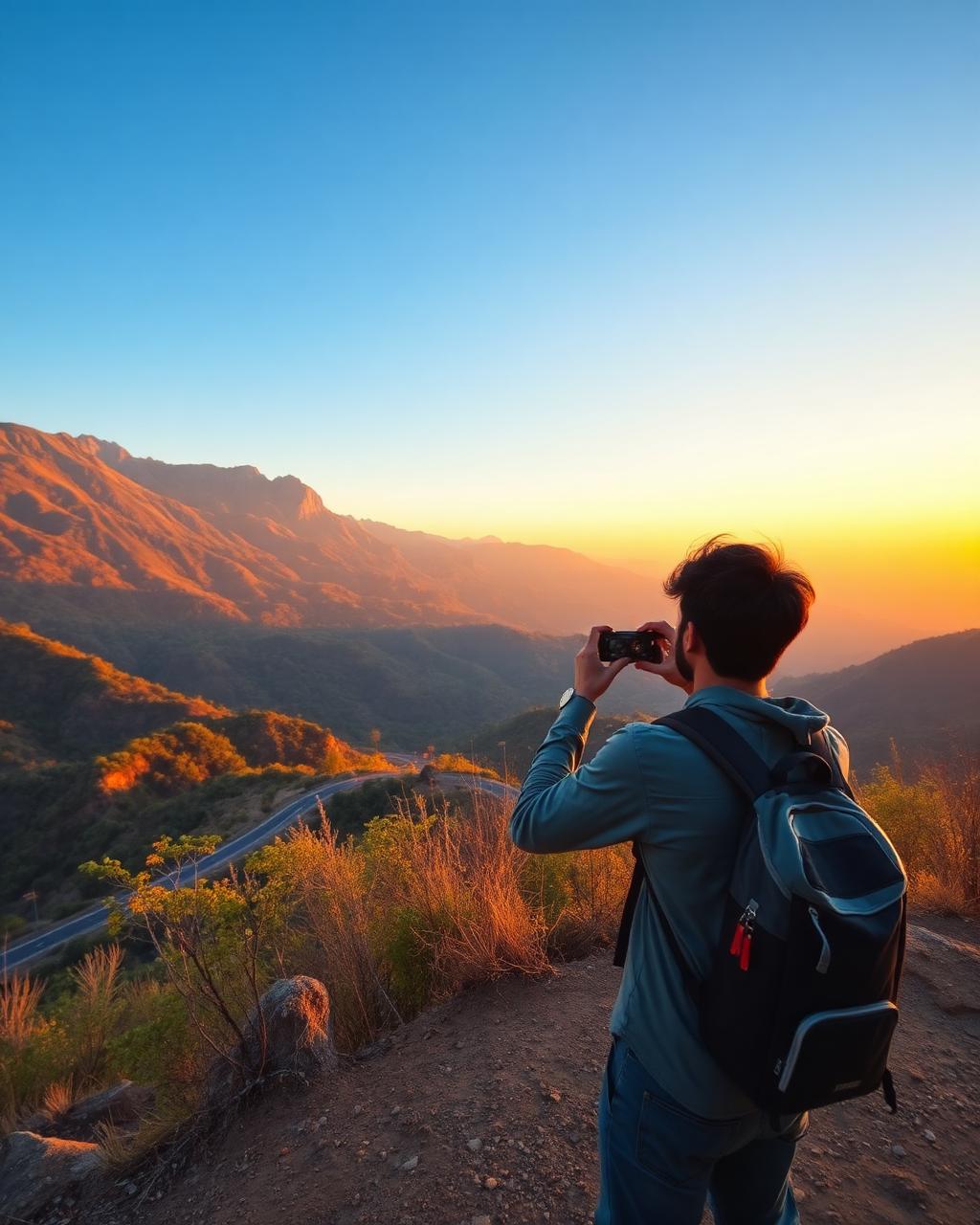
A traveller photographing a Rajasthani fort at sunset
Sunset viewpoints
Green countryside around the lakes of southern Rajasthan
Around Udaipur

Nearby

Places to combine with Jaipur

Udaipur

Lakes, palaces and the greenest part of the state.

Jaisalmer

Desert forts and dunes at the western edge of the circuit.

Ranthambore

Tiger safaris between Jaipur and the eastern Rajasthan route.

Agra

Commonly combined with Jaipur and Delhi on the Golden Triangle.